






A full polishing range.
From cutting and one-step correction to final finishing.
Specialist chemistry. Expert application.
 QUARTZ99 / CERAMIC BASE COAT
The foundation of your coating system.
A layerable quartz base coat designed for mechanical protection. Pair it with a suitable top coat to create the final finish.
For application by NANOLAB certified installers only.
Four formulas. Extended working time. Find the coating for your finish.
Explore the BEAST family of ceramic coatings.
Find the coating for each exterior surface.
 PPF & VINYLGLOSSProtection for glossy films and wraps.Discover
 MATTE & SATINMATTEProtection that respects the finish.Discover
 GLASSWINDOWSExplore dedicated glass protection.Discover
 WHEEL PROTECTIONWHEELSA dedicated coating for your wheels.Discover
 TRIM PROTECTIONPLASTICProtection for plastic surfaces.Discover
Dedicated care for the surfaces inside.
 LEATHER SURFACESLEATHERDiscover NANOLAB leather protection.Discover PLASTIC SURFACESPLASTICProtection for interior plastic surfaces.Discover TEXTILE SURFACESFABRICExplore the latest fabric formulation.Discover
Spray protection, maintenance and upcoming wash products.
 MAINTENANCEBEAST 365Explore the BEAST maintenance range.Discover
Next in washing, cleaning & care.
Ceramic protection for boats and yachts.
An easy-to-apply ceramic coating with an established track record on boats and yachts around the world.
Results vary with surface preparation, exposure and maintenance.
Read 50 MARINE guides →Explore MARINEProtection for the surfaces you live with.
A look at what we’re developing.
From cutting and one-step correction to final finishing.
A wider range for professional vehicle care.
Taking shape alongside BEAST & MATRIX.
Practical guidance for your next coating project.
Explore all guides →
Assess repairs, existing protection and paint condition before coating a used vehicle, and decide where correction is appropriate.
Updated · NANOLAB Knowledge
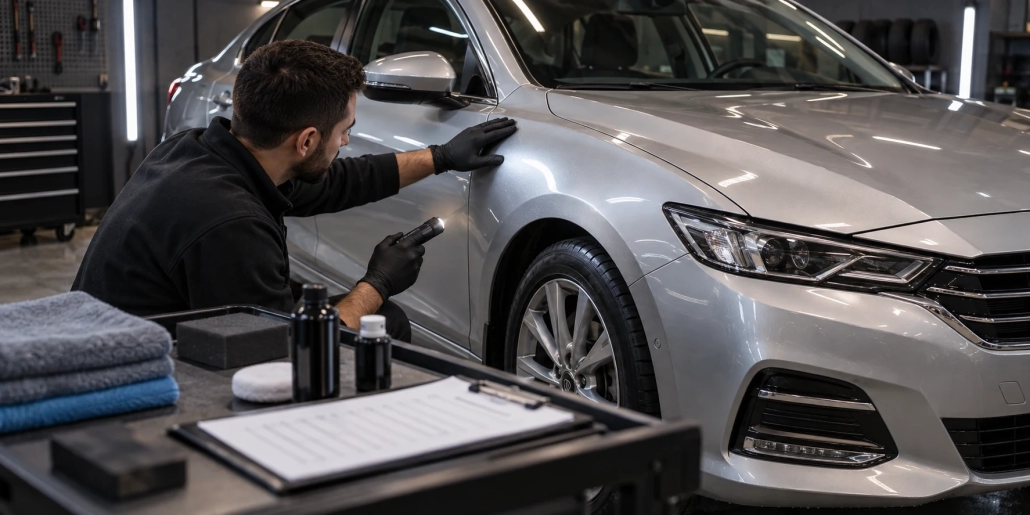
Ask about previous coatings, waxes, polishing and body repairs. Missing records do not prevent a good result, but they make inspection more important. Clean the car before deciding whether dullness comes from dirt, oxidation, polishing haze or damage to the finish.
Check differences between panels, fragile edges and areas where the coating underneath is unknown. Treat a repaired panel as a separate surface assessment rather than assuming uniform paint thickness and behaviour.
Some defects can be reduced with a controlled polishing process. Deep scratches or unstable clear coat may require a different repair or may be best left alone. Removing more paint to chase every mark can create an unnecessary trade-off.
Use an appropriate test area and agree on the likely improvement. Coating should follow the final preparation, not be used to conceal unresolved residue or unstable paint.
For a daily driver, consistent appearance and maintainability may be more valuable than a highly demanding show-car finish. Record what was corrected, what remains and which product was installed on each surface. If only certain panels can safely be treated, define that scope clearly. The goal is a realistic improvement built on the actual condition of the vehicle.
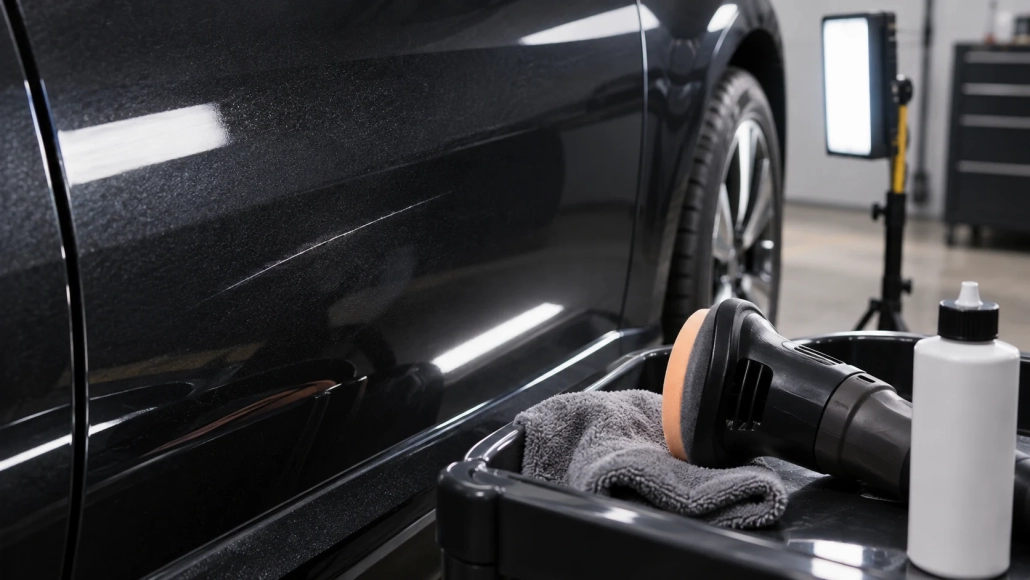
Assess an isolated paint scratch by its location, paint history and response to a conservative test instead of chasing complete removal.
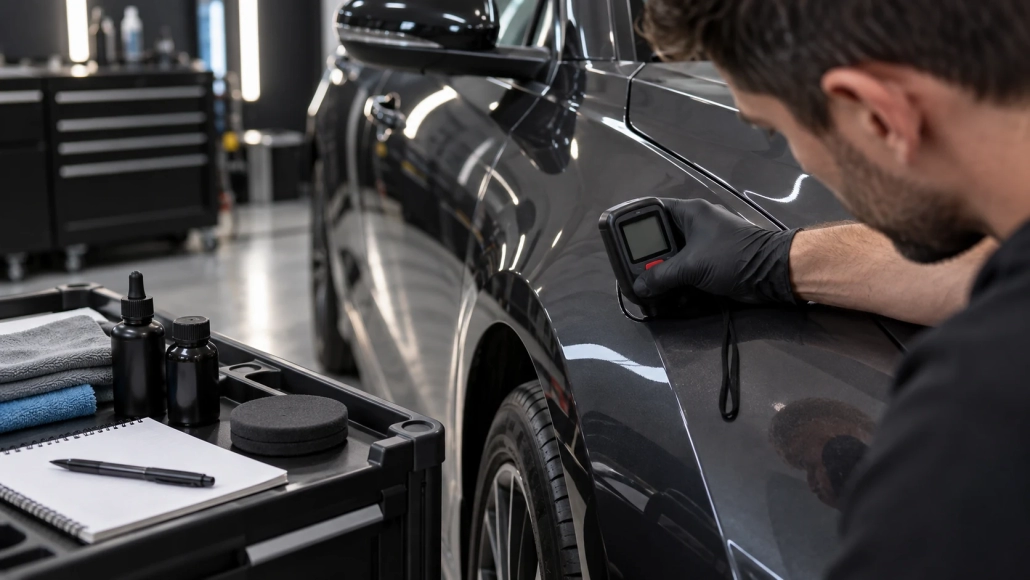
Understand what a paint gauge can measure, where its limits matter and why readings should support rather than replace surface assessment.
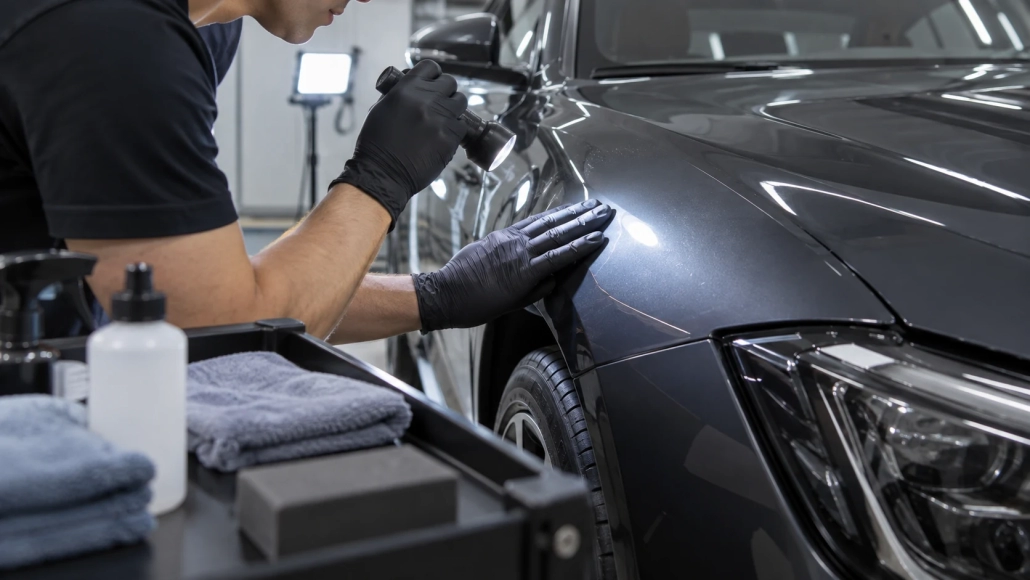
Check surface identity, accepted paint condition, residue removal, drying and product instructions immediately before coating begins.

 Do You Need to Clay the Paint Before Ceramic Coating?