






A full polishing range.
From cutting and one-step correction to final finishing.
Specialist chemistry. Expert application.
 QUARTZ99 / CERAMIC BASE COAT
The foundation of your coating system.
A layerable quartz base coat designed for mechanical protection. Pair it with a suitable top coat to create the final finish.
For application by NANOLAB certified installers only.
Four formulas. Extended working time. Find the coating for your finish.
Explore the BEAST family of ceramic coatings.
Find the coating for each exterior surface.
 PPF & VINYLGLOSSProtection for glossy films and wraps.Discover
 MATTE & SATINMATTEProtection that respects the finish.Discover
 GLASSWINDOWSExplore dedicated glass protection.Discover
 WHEEL PROTECTIONWHEELSA dedicated coating for your wheels.Discover
 TRIM PROTECTIONPLASTICProtection for plastic surfaces.Discover
Dedicated care for the surfaces inside.
 LEATHER SURFACESLEATHERDiscover NANOLAB leather protection.Discover PLASTIC SURFACESPLASTICProtection for interior plastic surfaces.Discover TEXTILE SURFACESFABRICExplore the latest fabric formulation.Discover
Spray protection, maintenance and upcoming wash products.
 MAINTENANCEBEAST 365Explore the BEAST maintenance range.Discover
Next in washing, cleaning & care.
Ceramic protection for boats and yachts.
An easy-to-apply ceramic coating with an established track record on boats and yachts around the world.
Results vary with surface preparation, exposure and maintenance.
Read 50 MARINE guides →Explore MARINEProtection for the surfaces you live with.
A look at what we’re developing.
From cutting and one-step correction to final finishing.
A wider range for professional vehicle care.
Taking shape alongside BEAST & MATRIX.
Practical guidance for your next coating project.
Explore all guides →
Link translations to the approved source revision and prevent outdated inserts reaching new kits.
Updated · NANOLAB Knowledge
Translated coating instructions need a traceable connection to the approved source. A fluent translation of an outdated document is still outdated. Version control should make that relationship visible to designers, translators, packing staff and the people answering customer questions.
Record the exact product and source-document version before translation begins. Provide a terminology list for product names, units and recurring technical terms. Mark text that must remain unchanged, such as an identifier, while allowing normal language adaptation where it does not alter meaning.
Use a language review for readability and a qualified product review for technical meaning. Check sequence, conditions, exclusions and numerical information. For example, a sentence describing an optional step must not become a mandatory instruction through translation. Resolve ambiguity with the source owner rather than choosing whichever wording sounds smoother.
Give each translated file its own version linked to the source. When the source changes, identify affected translations instead of assuming they remain valid. Confirm the correct insert or label version before packing. Keep old files for traceability but distinguish them clearly from current production artwork. A translation is ready for use when its meaning, product identity and source relationship have been checked, not merely when the text fits inside the design.
Record the source language, source revision, target language, translator, technical reviewer and release date. Add separate checks for units, product names, conditions and sequence words. A translation can be fluent while still changing the instruction's meaning.
When the source changes, list which translated sections are affected instead of marking every language current automatically. For example, a revised surface limitation must reach the matching product page, leaflet and downloadable guide. Keep superseded translations accessible internally for historical support, but clearly separate them from customer downloads. The objective is to identify which language versions genuinely reflect the same approved source, not simply which files were uploaded most recently.
Discuss a NANOLAB private-label project. For supporting information, review the current product documentation and the private-label guides.
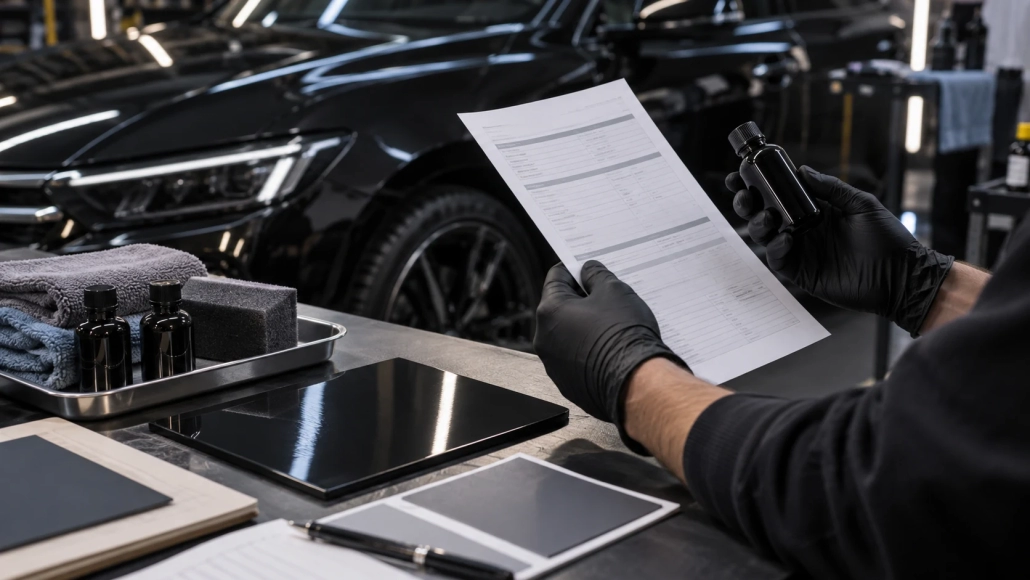
Keep translated coating instructions aligned with the approved product, sequence and safety information before distributing them to a new market.
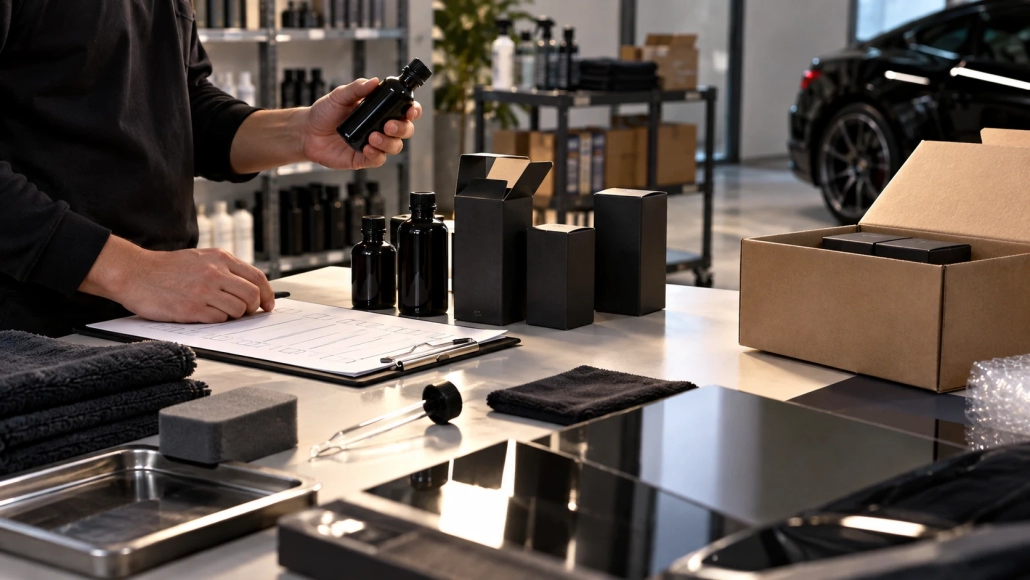
Check product approval, packaging, instructions, stock readiness and support before launching a private label ceramic coating range.

Assess product facts, packaging, support and ordering readiness before promoting the range.