






A full polishing range.
From cutting and one-step correction to final finishing.
Specialist chemistry. Expert application.
 QUARTZ99 / CERAMIC BASE COAT
The foundation of your coating system.
A layerable quartz base coat designed for mechanical protection. Pair it with a suitable top coat to create the final finish.
For application by NANOLAB certified installers only.
Four formulas. Extended working time. Find the coating for your finish.
Explore the BEAST family of ceramic coatings.
Find the coating for each exterior surface.
 PPF & VINYLGLOSSProtection for glossy films and wraps.Discover
 MATTE & SATINMATTEProtection that respects the finish.Discover
 GLASSWINDOWSExplore dedicated glass protection.Discover
 WHEEL PROTECTIONWHEELSA dedicated coating for your wheels.Discover
 TRIM PROTECTIONPLASTICProtection for plastic surfaces.Discover
Dedicated care for the surfaces inside.
 LEATHER SURFACESLEATHERDiscover NANOLAB leather protection.Discover PLASTIC SURFACESPLASTICProtection for interior plastic surfaces.Discover TEXTILE SURFACESFABRICExplore the latest fabric formulation.Discover
Spray protection, maintenance and upcoming wash products.
 MAINTENANCEBEAST 365Explore the BEAST maintenance range.Discover
Next in washing, cleaning & care.
Ceramic protection for boats and yachts.
An easy-to-apply ceramic coating with an established track record on boats and yachts around the world.
Results vary with surface preparation, exposure and maintenance.
Read 50 MARINE guides →Explore MARINEProtection for the surfaces you live with.
A look at what we’re developing.
From cutting and one-step correction to final finishing.
A wider range for professional vehicle care.
Taking shape alongside BEAST & MATRIX.
Practical guidance for your next coating project.
Explore all guides →
Distinguish a poorly controlled first trial from a changed requirement that needs a new sample.
Updated · NANOLAB Knowledge
A second coating sample is useful when it resolves a specific uncertainty. It is less useful when the first trial produced little usable evidence and the next trial repeats the same mistakes. Before requesting more material, decide what question remains open and what will change in the evaluation.
Check product identity, preparation, surface history and the instructions followed. Record observations separately from explanations. If the surface had an unknown existing treatment, the result may not answer the original compatibility question. If the operator changed several variables at once, the trial may not identify which change mattered.
A repeat of the same sample can investigate consistency under a better controlled procedure. A different sample can address a changed requirement, such as a different finish or intended user. These are separate requests. Tell the manufacturer which applies so it does not interpret a request for more liquid as a request for another formulation.
Write the trial surface, preparation method, observations and acceptance criteria in advance. For example, a buyer unsure about application handling could repeat the approved process with a trained operator and document each stage. Agree whether the result will support approval, rejection or a further technical discussion. Keep the first and second records together; the value of resampling comes from the question it answers, not from accumulating more bottles.
Write a resampling question before requesting another bottle. Examples include repeating a trial after correcting a documented preparation error, testing a second confirmed substrate or checking a proposed product revision. Specify which conditions will stay the same and which will change.
If the first test was poorly recorded, a second sample cannot recover the missing evidence; it starts a new, better-documented trial. Keep both records rather than replacing the disappointing one. Agree what outcome would allow a decision and what would require technical discussion. Repeated sampling without a defined question consumes time and can make selection less clear, especially when different operators change several variables at once.
Explore NANOLAB’s private-label options. For supporting information, review the current product documentation and the private-label guides.
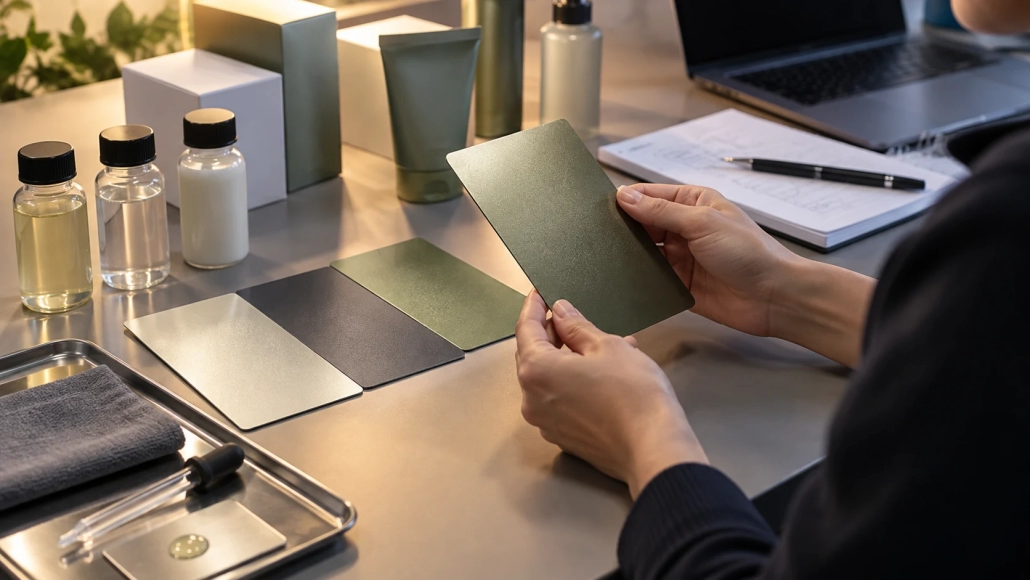
Create a clear private label sample approval record linking the selected coating, test conditions, packaging and unresolved questions.
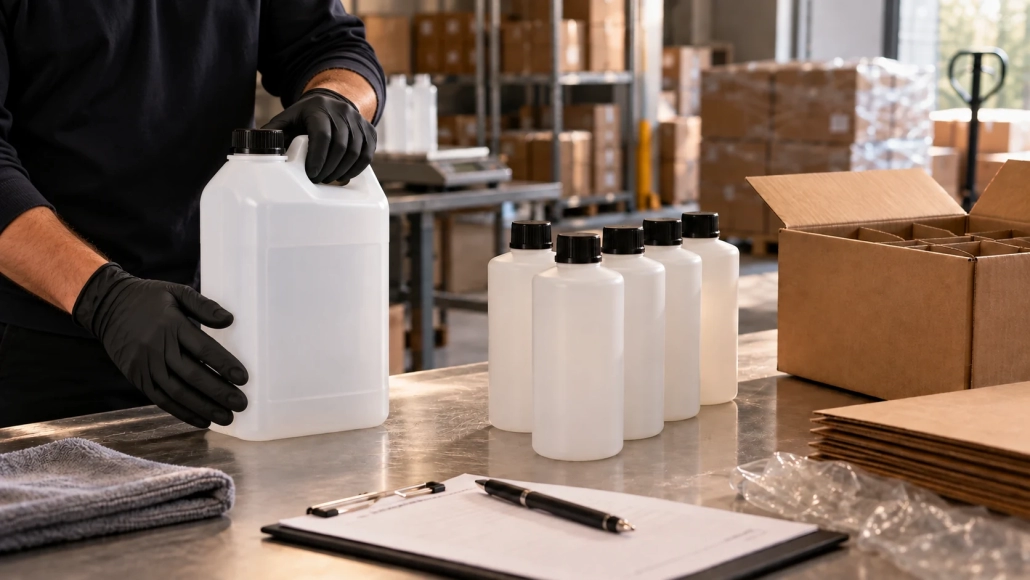
Build a clear request for quotation covering formula scope, packaging, quantities, documentation and delivery assumptions for coating supply.

Convert broad requirements such as easy application into observable acceptance criteria.