






A full polishing range.
From cutting and one-step correction to final finishing.
Specialist chemistry. Expert application.
 QUARTZ99 / CERAMIC BASE COAT
The foundation of your coating system.
A layerable quartz base coat designed for mechanical protection. Pair it with a suitable top coat to create the final finish.
For application by NANOLAB certified installers only.
Four formulas. Extended working time. Find the coating for your finish.
Explore the BEAST family of ceramic coatings.
Find the coating for each exterior surface.
 PPF & VINYLGLOSSProtection for glossy films and wraps.Discover
 MATTE & SATINMATTEProtection that respects the finish.Discover
 GLASSWINDOWSExplore dedicated glass protection.Discover
 WHEEL PROTECTIONWHEELSA dedicated coating for your wheels.Discover
 TRIM PROTECTIONPLASTICProtection for plastic surfaces.Discover
Dedicated care for the surfaces inside.
 LEATHER SURFACESLEATHERDiscover NANOLAB leather protection.Discover PLASTIC SURFACESPLASTICProtection for interior plastic surfaces.Discover TEXTILE SURFACESFABRICExplore the latest fabric formulation.Discover
Spray protection, maintenance and upcoming wash products.
 MAINTENANCEBEAST 365Explore the BEAST maintenance range.Discover
Next in washing, cleaning & care.
Ceramic protection for boats and yachts.
An easy-to-apply ceramic coating with an established track record on boats and yachts around the world.
Results vary with surface preparation, exposure and maintenance.
Read 50 MARINE guides →Explore MARINEProtection for the surfaces you live with.
A look at what we’re developing.
From cutting and one-step correction to final finishing.
A wider range for professional vehicle care.
Taking shape alongside BEAST & MATRIX.
Practical guidance for your next coating project.
Explore all guides →
Evaluate polish samples with a consistent record of correction, finish, handling and total work, without turning an informal trial into a universal ranking.
Updated · NANOLAB Knowledge
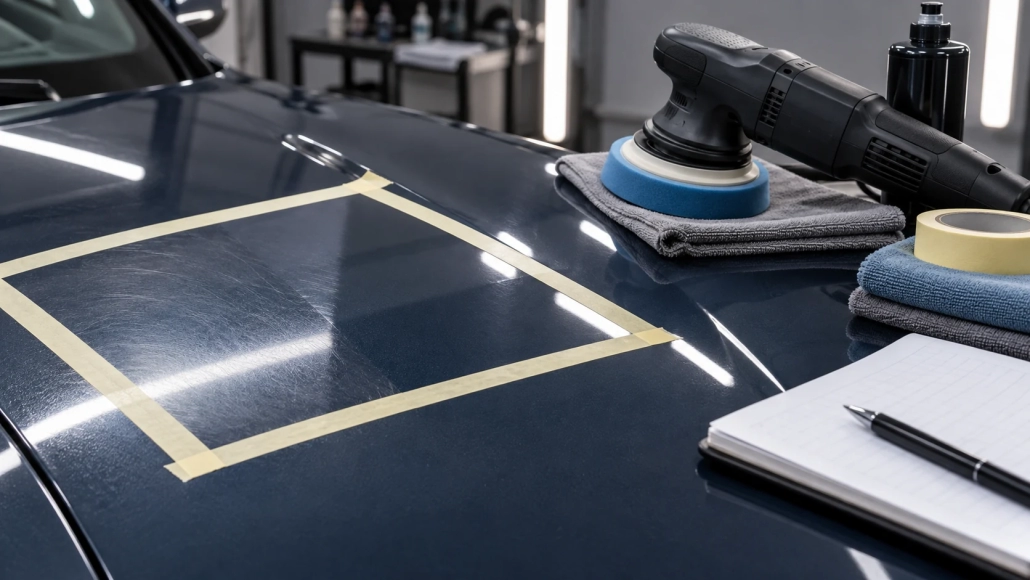
A sample bottle is useful when the trial answers a purchasing question. A simple scorecard prevents an impressive first reflection from outweighing difficult removal, inconsistent pads or excessive refinement. Keep the test conditions beside the observations.
Identify vehicle area, paint history, starting defects, tool movement, pad model and liquid. Note whether you are testing a complete manufacturer system or a liquid on a common approved pad.
Use clean serviceable consumables and a consistent inspection method. Otherwise, differences in pad condition can dominate the comparison.
Record useful defect reduction, finish after residue removal, control, wipe-off, dust or splatter, pad maintenance and total time to acceptance. Do not combine those into one impression of strong or weak.
An internal rating can help organise observations, but define its meaning. For example, accepted without adjustment, accepted after a documented change, or unsuitable for this test. These are process outcomes, not scientific cut measurements.
Photograph the same area before and after under comparable light and exposure. Record retained defects and any required refinement.
Keep failed or inconclusive tests. They identify limits and prevent another technician from repeating an unsupported assumption later.
One successful panel does not represent every finish in the studio’s workload. Repeat relevant trials on different paint responses before standardising stock.
Ask suppliers to explain unexpected behaviour using the recorded setup. That is more productive than reporting that the sample did not work.
The final recommendation should be specific: which role the system performs, on which tested surfaces, with which pad and what follow-up is required. A disciplined scorecard makes samples useful for selecting a repeatable process rather than collecting favourite brands from isolated demonstrations.
| Field | Suggested record |
|---|---|
| Sample identity | Product, batch, date opened and storage condition. |
| Test setup | Panel and repair history; machine, pad and settings. |
| Correction | Describe the target defects remaining after cleaning. |
| Finish and wipe-off | Haze, clarity and any wiping marks under consistent light. |
| Workflow | Product consumed, working time, cleaning and refinement time. |
| Decision | Accepted role, rejected uses and repeat-test requirements. |
Compare polishing quotations through inspection, correction scope, finishing standard and protection rather than choosing only by stage count.
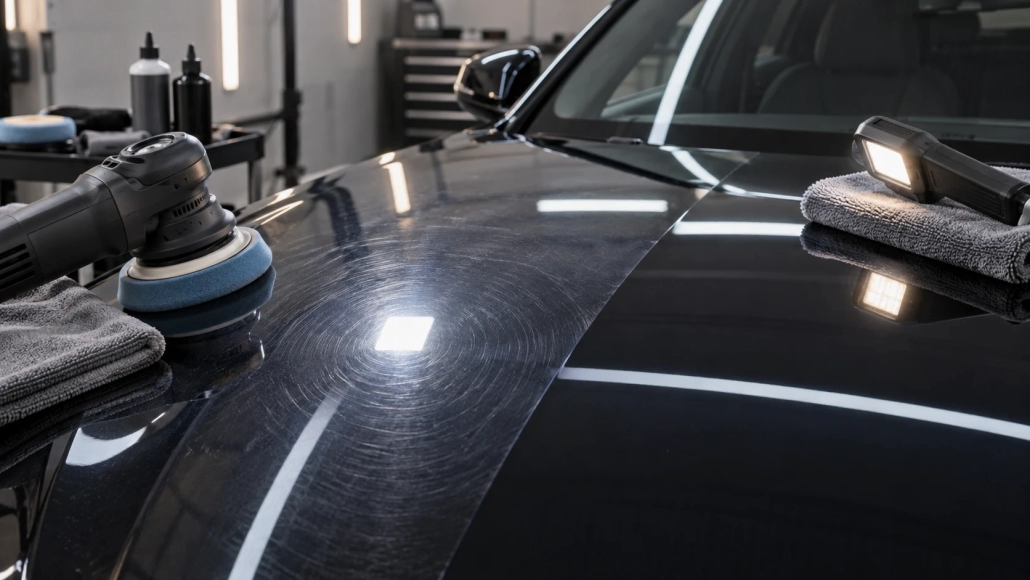
Find the application, compatibility and process information needed to evaluate a compound, and separate technical instructions from broad marketing claims.
Document pad, polish, machine, surface and inspection results so a successful polishing test can guide the rest of the vehicle.

 How to Read a Polishing Compound Technical Data Sheet