






A full polishing range.
From cutting and one-step correction to final finishing.
Specialist chemistry. Expert application.
 QUARTZ99 / CERAMIC BASE COAT
The foundation of your coating system.
A layerable quartz base coat designed for mechanical protection. Pair it with a suitable top coat to create the final finish.
For application by NANOLAB certified installers only.
Four formulas. Extended working time. Find the coating for your finish.
Explore the BEAST family of ceramic coatings.
Find the coating for each exterior surface.
 PPF & VINYLGLOSSProtection for glossy films and wraps.Discover
 MATTE & SATINMATTEProtection that respects the finish.Discover
 GLASSWINDOWSExplore dedicated glass protection.Discover
 WHEEL PROTECTIONWHEELSA dedicated coating for your wheels.Discover
 TRIM PROTECTIONPLASTICProtection for plastic surfaces.Discover
Dedicated care for the surfaces inside.
 LEATHER SURFACESLEATHERDiscover NANOLAB leather protection.Discover PLASTIC SURFACESPLASTICProtection for interior plastic surfaces.Discover TEXTILE SURFACESFABRICExplore the latest fabric formulation.Discover
Spray protection, maintenance and upcoming wash products.
 MAINTENANCEBEAST 365Explore the BEAST maintenance range.Discover
Next in washing, cleaning & care.
Ceramic protection for boats and yachts.
An easy-to-apply ceramic coating with an established track record on boats and yachts around the world.
Results vary with surface preparation, exposure and maintenance.
Read 50 MARINE guides →Explore MARINEProtection for the surfaces you live with.
A look at what we’re developing.
From cutting and one-step correction to final finishing.
A wider range for professional vehicle care.
Taking shape alongside BEAST & MATRIX.
Practical guidance for your next coating project.
Explore all guides →
Clean polishing pads according to their construction and dry them fully before storage, with attention to residue, attachment and readiness for reuse.
Updated · NANOLAB Knowledge
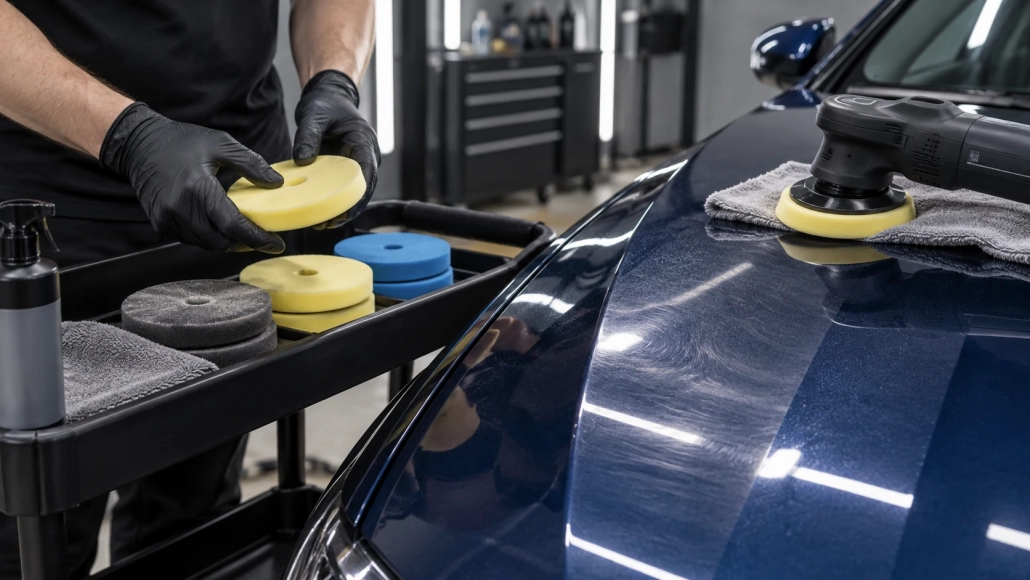
Post-job pad washing prepares consumables for future work. It is different from a quick face-cleaning step between sections. The objective is a clean, dry and structurally sound pad that can be identified and inspected before reuse.
Use the specified cleaning product, water conditions and handling procedure. Foam, fibre faces and attachment layers can have different requirements.
Do not assume a strong degreaser is appropriate because it removes residue quickly. Unsupported chemistry or handling can damage a pad even when the working face looks cleaner.
Work gently according to the instructions and rinse as required. Pay attention to accumulated product within the face and around the edges.
Inspect for persistent contamination. A pad used near adhesive, dressing or another incompatible material may require a separate decision rather than being returned automatically to the finishing supply.
Use the approved drying method and allow the whole pad to reach a suitable dry condition. Avoid storing damp pads in sealed containers.
Do not apply improvised high heat or aggressive mechanical drying to speed the process. The attachment and interface matter as much as the visible face.
Check the face, edges, backing and fastening. Separate damaged pads from serviceable stock. Record model and intended stage so washing does not erase the practical identity of a mixed collection.
A pad that has been washed is not automatically equivalent to a new pad. For sensitive finishing or controlled product comparisons, consider its history and condition.
Store accepted pads in a clean protected area with the working face shielded from dust and debris. The next job should begin with a pad whose cleanliness and identity are known, not one selected because it happens to feel dry on the outside.
Compare polishing pad materials by their intended role, machine compatibility and maintenance needs before choosing a complete correction system.
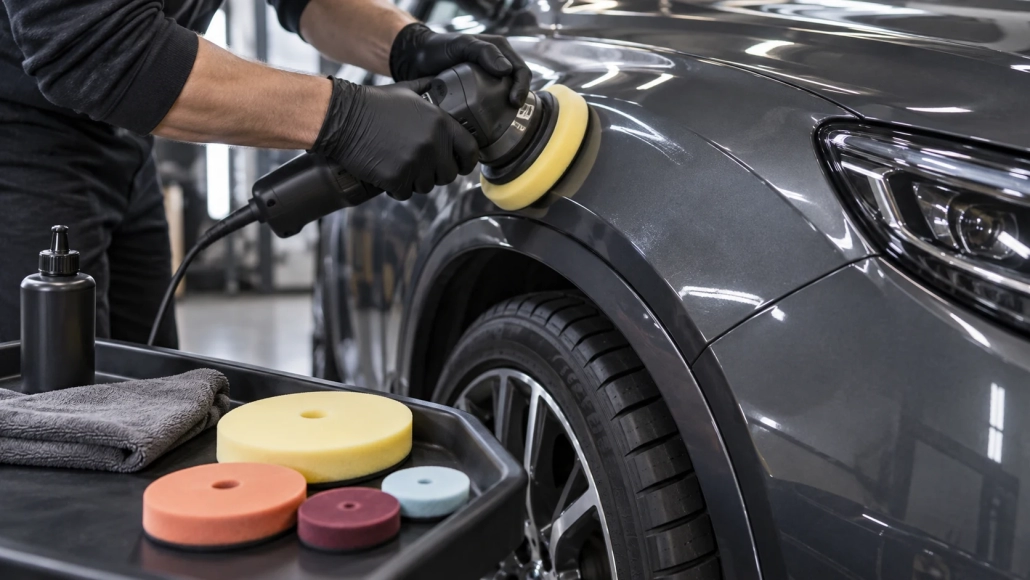
Recognise pad conditions that call for retirement or reassessment and distinguish structural damage from residue that can be removed safely.
Keep polishing results consistent by rotating clean pads, separating correction stages and recognising when a pad should be retired.

 When to Replace a Polishing Pad: Wear, Damage and Unstable Results