






A full polishing range.
From cutting and one-step correction to final finishing.
Specialist chemistry. Expert application.
 QUARTZ99 / CERAMIC BASE COAT
The foundation of your coating system.
A layerable quartz base coat designed for mechanical protection. Pair it with a suitable top coat to create the final finish.
For application by NANOLAB certified installers only.
Four formulas. Extended working time. Find the coating for your finish.
Explore the BEAST family of ceramic coatings.
Find the coating for each exterior surface.
 PPF & VINYLGLOSSProtection for glossy films and wraps.Discover
 MATTE & SATINMATTEProtection that respects the finish.Discover
 GLASSWINDOWSExplore dedicated glass protection.Discover
 WHEEL PROTECTIONWHEELSA dedicated coating for your wheels.Discover
 TRIM PROTECTIONPLASTICProtection for plastic surfaces.Discover
Dedicated care for the surfaces inside.
 LEATHER SURFACESLEATHERDiscover NANOLAB leather protection.Discover PLASTIC SURFACESPLASTICProtection for interior plastic surfaces.Discover TEXTILE SURFACESFABRICExplore the latest fabric formulation.Discover
Spray protection, maintenance and upcoming wash products.
 MAINTENANCEBEAST 365Explore the BEAST maintenance range.Discover
Next in washing, cleaning & care.
Ceramic protection for boats and yachts.
An easy-to-apply ceramic coating with an established track record on boats and yachts around the world.
Results vary with surface preparation, exposure and maintenance.
Read 50 MARINE guides →Explore MARINEProtection for the surfaces you live with.
A look at what we’re developing.
From cutting and one-step correction to final finishing.
A wider range for professional vehicle care.
Taking shape alongside BEAST & MATRIX.
Practical guidance for your next coating project.
Explore all guides →
Plan ceramic coating for chrome-plated bumpers, including plating inspection, access around mounting points, preparation and practical aftercare.
Updated · NANOLAB Knowledge
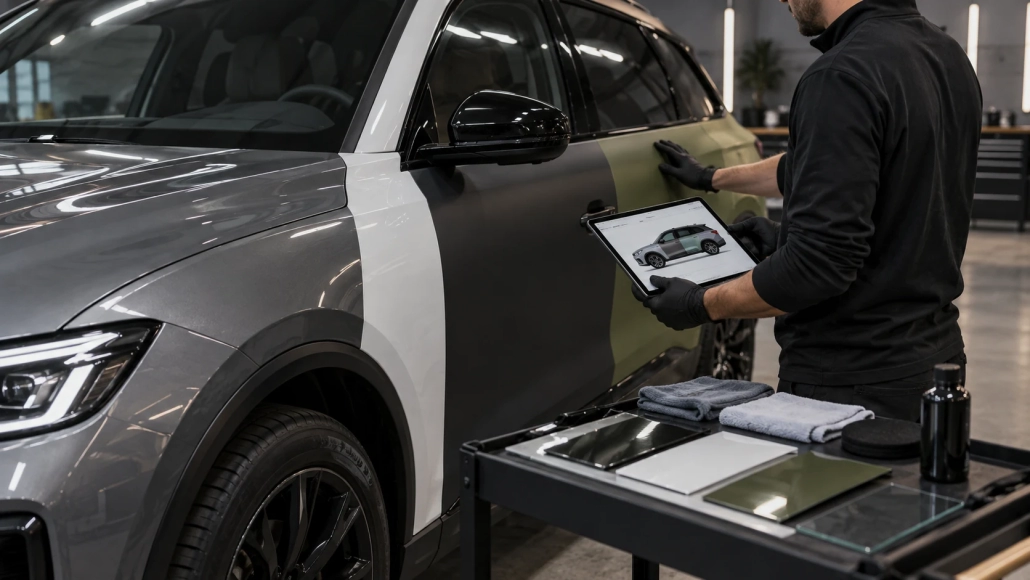
A chrome-plated bumper needs a different assessment from a painted body panel. The useful starting point is the condition of the plating: sound decorative chrome may be a candidate for a compatible protective treatment, while lifting or pitted plating needs a repair decision first. A ceramic coating cannot rebuild missing metal.
Clean enough of the bumper to see the finish clearly, then inspect the lower return, mounting recesses and areas beside rubber overriders. Photograph existing pits and cracks before discussing the desired result. Do not assume that a shiny front face means the reverse or the mounting area is sound.
Ask whether the bumper has been replated, clear-coated or treated with a polish that leaves protection behind. That answer determines which exposed surface the new coating would actually contact. If its history is unknown, begin with a small inconspicuous test area and a preparation method approved for the finish.
Use a cleaner and tools suitable for decorative chrome. Do not make aggressive polishing a routine preparation step: a metal polish can change a delicate finish and leave residues that require their own removal process. If the existing appearance is acceptable after washing, avoid unnecessary abrasion.
Make a simple work map: front face, top edge, lower return and accessible recesses. Mark damaged sections for exclusion. Keep coating away from electrical connections, rubber parts and areas not included in the compatibility approval.
A bumper’s curve can hide uneven residue from one viewing position. Inspect the dry test area from above, below and both ends. Apply only the approved product quantity and follow its levelling and curing instructions. A universal paint-coating timing rule is not a substitute for the selected product’s directions.
Road dirt and mineral deposits still require cleaning. Rinse after dirty journeys, dry water traps and inspect known damaged areas during maintenance. Record the finish, product and application date so a later restorer knows what was used. Ask NANOLAB about the exact chrome surface before selecting a formula; do not assume every automotive coating has the same metal compatibility.
For your exact finish and service conditions, ask NANOLAB about coating suitability and consult the current product documentation.
Distinguish plated, coated and metallic-look trim before selecting cleaners, preparation methods or protective coatings.
Understand why ceramic coating cannot repair pitted chrome, how to distinguish deposits from plating damage and when restoration should come first.
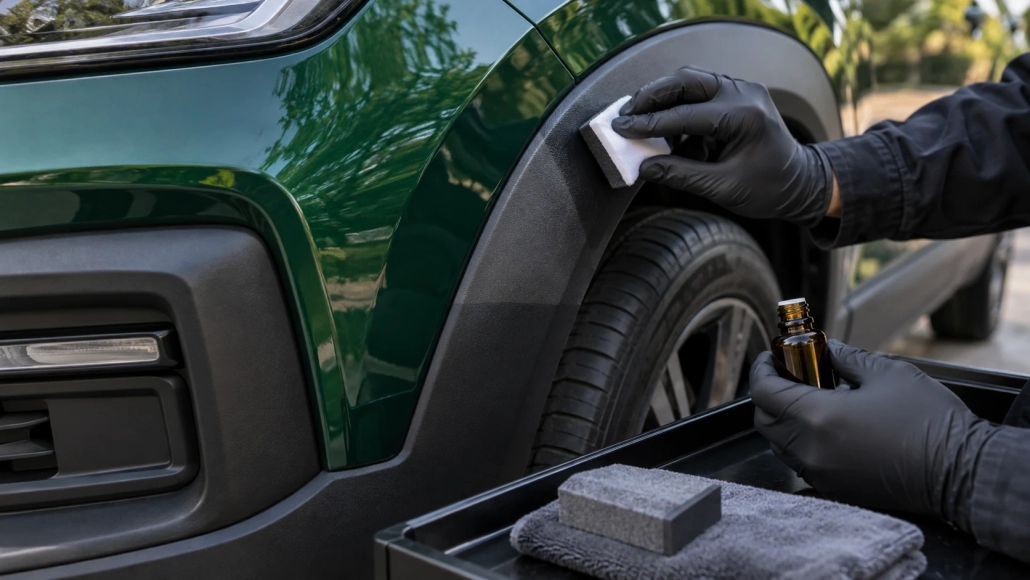
Assess chrome-plated plastic grilles for ceramic coating, with attention to delicate finishes, cleaning residues, recesses and adjacent sensors.

 Ceramic Coating for Chrome Wheels: Finish and Access Checks