






A full polishing range.
From cutting and one-step correction to final finishing.
Specialist chemistry. Expert application.
 QUARTZ99 / CERAMIC BASE COAT
The foundation of your coating system.
A layerable quartz base coat designed for mechanical protection. Pair it with a suitable top coat to create the final finish.
For application by NANOLAB certified installers only.
Four formulas. Extended working time. Find the coating for your finish.
Explore the BEAST family of ceramic coatings.
Find the coating for each exterior surface.
 PPF & VINYLGLOSSProtection for glossy films and wraps.Discover
 MATTE & SATINMATTEProtection that respects the finish.Discover
 GLASSWINDOWSExplore dedicated glass protection.Discover
 WHEEL PROTECTIONWHEELSA dedicated coating for your wheels.Discover
 TRIM PROTECTIONPLASTICProtection for plastic surfaces.Discover
Dedicated care for the surfaces inside.
 LEATHER SURFACESLEATHERDiscover NANOLAB leather protection.Discover PLASTIC SURFACESPLASTICProtection for interior plastic surfaces.Discover TEXTILE SURFACESFABRICExplore the latest fabric formulation.Discover
Spray protection, maintenance and upcoming wash products.
 MAINTENANCEBEAST 365Explore the BEAST maintenance range.Discover
Next in washing, cleaning & care.
Ceramic protection for boats and yachts.
An easy-to-apply ceramic coating with an established track record on boats and yachts around the world.
Results vary with surface preparation, exposure and maintenance.
Read 50 MARINE guides →Explore MARINEProtection for the surfaces you live with.
A look at what we’re developing.
From cutting and one-step correction to final finishing.
A wider range for professional vehicle care.
Taking shape alongside BEAST & MATRIX.
Practical guidance for your next coating project.
Explore all guides →
Inspect construction residue and glass condition before adding a suitable protective coating after renovation or installation work.
Updated · NANOLAB Knowledge
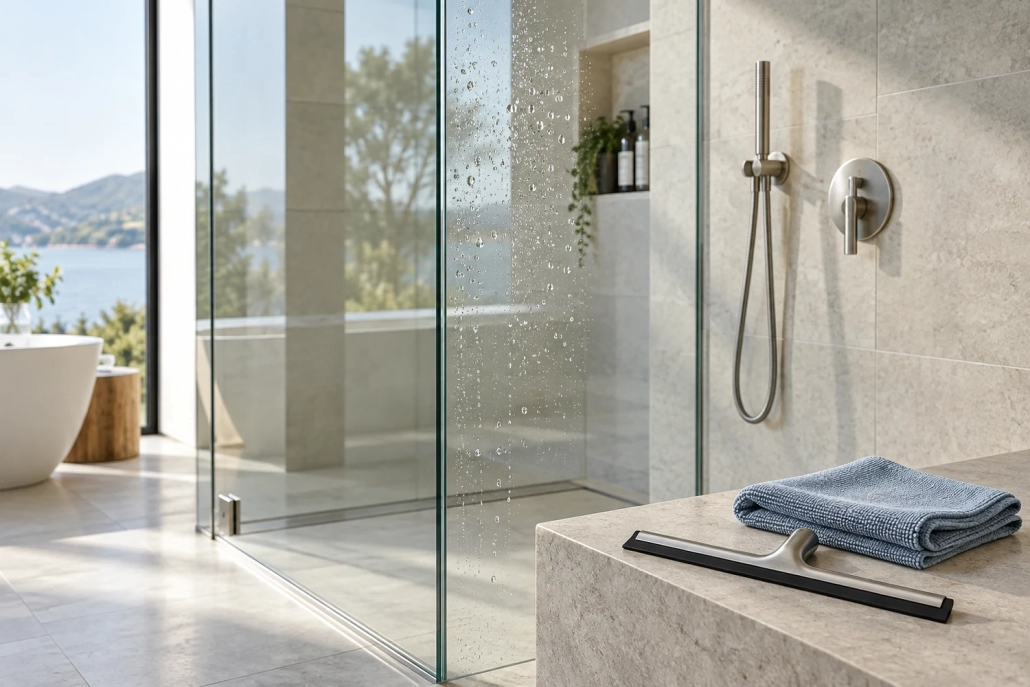
When considering ceramic coating for shower glass after building work, begin with the actual residue and glass condition. Cementitious dust, paint specks and adhesive are different from ordinary soap deposits. A nano coating should follow suitable preparation, not conceal unfinished cleanup.
Check the glass manufacturer’s care instructions and identify any factory treatment. Document visible scratches, chips and unusual deposits. Do not assume a scraper or abrasive pad is acceptable on every shower screen.
Ask the contractor which materials may have contacted the glass. If residue is unknown, obtain glass-specific cleaning advice before escalating the chemistry. Protect nearby stone, metal and seals from unsuitable runoff.
Use a compatible process to remove identified surface material, then inspect clean, dry glass under useful light. A remaining mark may be a scratch or etched area rather than removable residue. Coating does not rebuild damaged glass or make a chip structurally sound.
Complete any necessary glazing or seal work before planning protection. Confirm that the installation and adjacent materials are ready for the proposed preparation and curing conditions.
Review NANOLAB Shower Glass Nano Coating for the intended application and confirm the correct formulation and instructions. Do not substitute an automotive ceramic coating merely because the surface is also glass.
Agree the accepted appearance before treatment and photograph it. Provide the occupant with the first-use and cleaning requirements after application. A documented post-renovation baseline prevents an older construction mark from being mistaken for a new coating problem.
A short inspection helps determine whether shower glass needs ordinary cleaning, deposit removal or specialist restoration before coating.
Check accessory attachment requirements before fitting suction cups to treated shower glass or coating around existing fixtures.
Separate glass-damage assessment from cosmetic coating work when a shower screen has chips, cracks or damaged edges.

 Ceramic-Coated Shower Glass and Suction-Cup Accessories