






A full polishing range.
From cutting and one-step correction to final finishing.
Specialist chemistry. Expert application.
 QUARTZ99 / CERAMIC BASE COAT
The foundation of your coating system.
A layerable quartz base coat designed for mechanical protection. Pair it with a suitable top coat to create the final finish.
For application by NANOLAB certified installers only.
Four formulas. Extended working time. Find the coating for your finish.
Explore the BEAST family of ceramic coatings.
Find the coating for each exterior surface.
 PPF & VINYLGLOSSProtection for glossy films and wraps.Discover
 MATTE & SATINMATTEProtection that respects the finish.Discover
 GLASSWINDOWSExplore dedicated glass protection.Discover
 WHEEL PROTECTIONWHEELSA dedicated coating for your wheels.Discover
 TRIM PROTECTIONPLASTICProtection for plastic surfaces.Discover
Dedicated care for the surfaces inside.
 LEATHER SURFACESLEATHERDiscover NANOLAB leather protection.Discover PLASTIC SURFACESPLASTICProtection for interior plastic surfaces.Discover TEXTILE SURFACESFABRICExplore the latest fabric formulation.Discover
Spray protection, maintenance and upcoming wash products.
 MAINTENANCEBEAST 365Explore the BEAST maintenance range.Discover
Next in washing, cleaning & care.
Ceramic protection for boats and yachts.
An easy-to-apply ceramic coating with an established track record on boats and yachts around the world.
Results vary with surface preparation, exposure and maintenance.
Read 50 MARINE guides →Explore MARINEProtection for the surfaces you live with.
A look at what we’re developing.
From cutting and one-step correction to final finishing.
A wider range for professional vehicle care.
Taking shape alongside BEAST & MATRIX.
Practical guidance for your next coating project.
Explore all guides →
Separate glass-damage assessment from cosmetic coating work when a shower screen has chips, cracks or damaged edges.
Updated · NANOLAB Knowledge
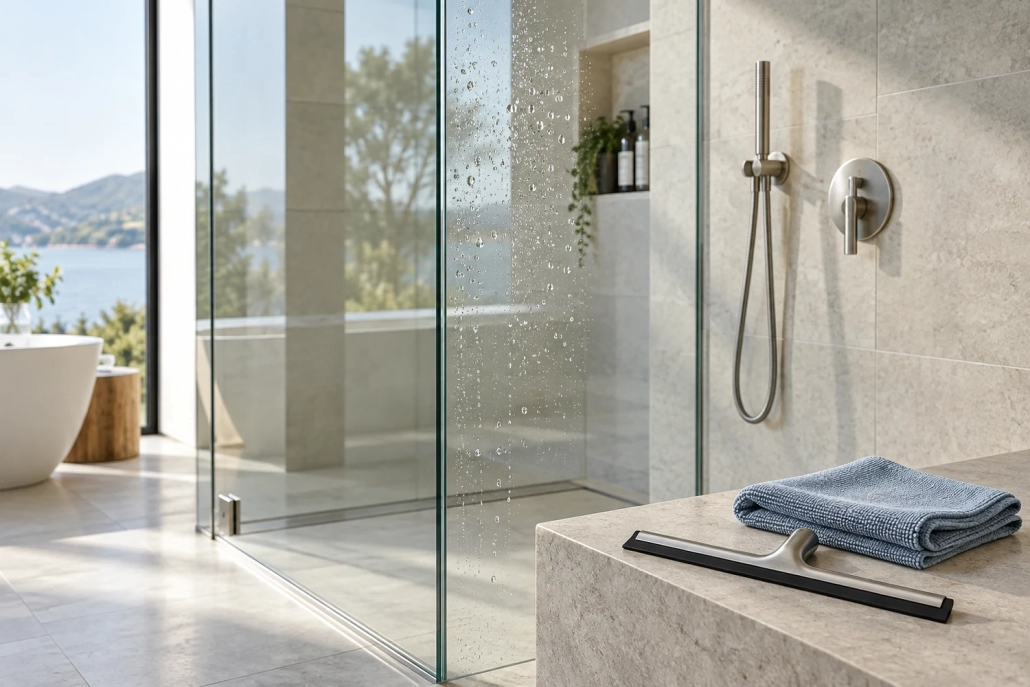
Ceramic or nano coating is a surface-care treatment, not a repair for chipped or cracked shower glass. If damage is found before installation, pause the coating plan and have the glazing assessed by an appropriate professional. A clear finish does not establish structural safety.
Photograph the location and note whether the mark is on an edge, corner or central area. Avoid probing, grinding or polishing the damaged spot as an identification method. Follow the glazing professional’s advice about use and access.
Check surrounding hardware and any reported door-contact issue through the appropriate installer. Do not assume a chip is harmless because it is small or partly concealed by a seal.
If replacement or repair work is required, complete that process and obtain the relevant readiness guidance before reconsidering protection. The new glass may have its own factory treatment or cleaning restrictions, so do not automatically reuse the previous preparation plan.
Document any remaining accepted cosmetic marks only after the glass has been appropriately assessed. A coating may change water behaviour, but it should never be described as bonding a damaged screen back together.
Review NANOLAB Shower Glass Nano Coating for supported surface treatment and obtain the applicable instructions. Confirm preparation, application and first-use conditions for the replacement or approved intact glazing.
At handover, retain the coating record separately from any glazing service documentation. That distinction makes future support clearer: surface maintenance questions go to the coating provider, while damage or installation concerns remain with the appropriate glazing professional.
A short inspection helps determine whether shower glass needs ordinary cleaning, deposit removal or specialist restoration before coating.
Create a simple shared cleaning routine so household members use compatible products on treated shower glass.
Trial a proposed housekeeping cleaner on an approved representative area before using it across coated hotel shower screens.
 Ceramic-Coated Shower Glass in a Shared Bathroom