
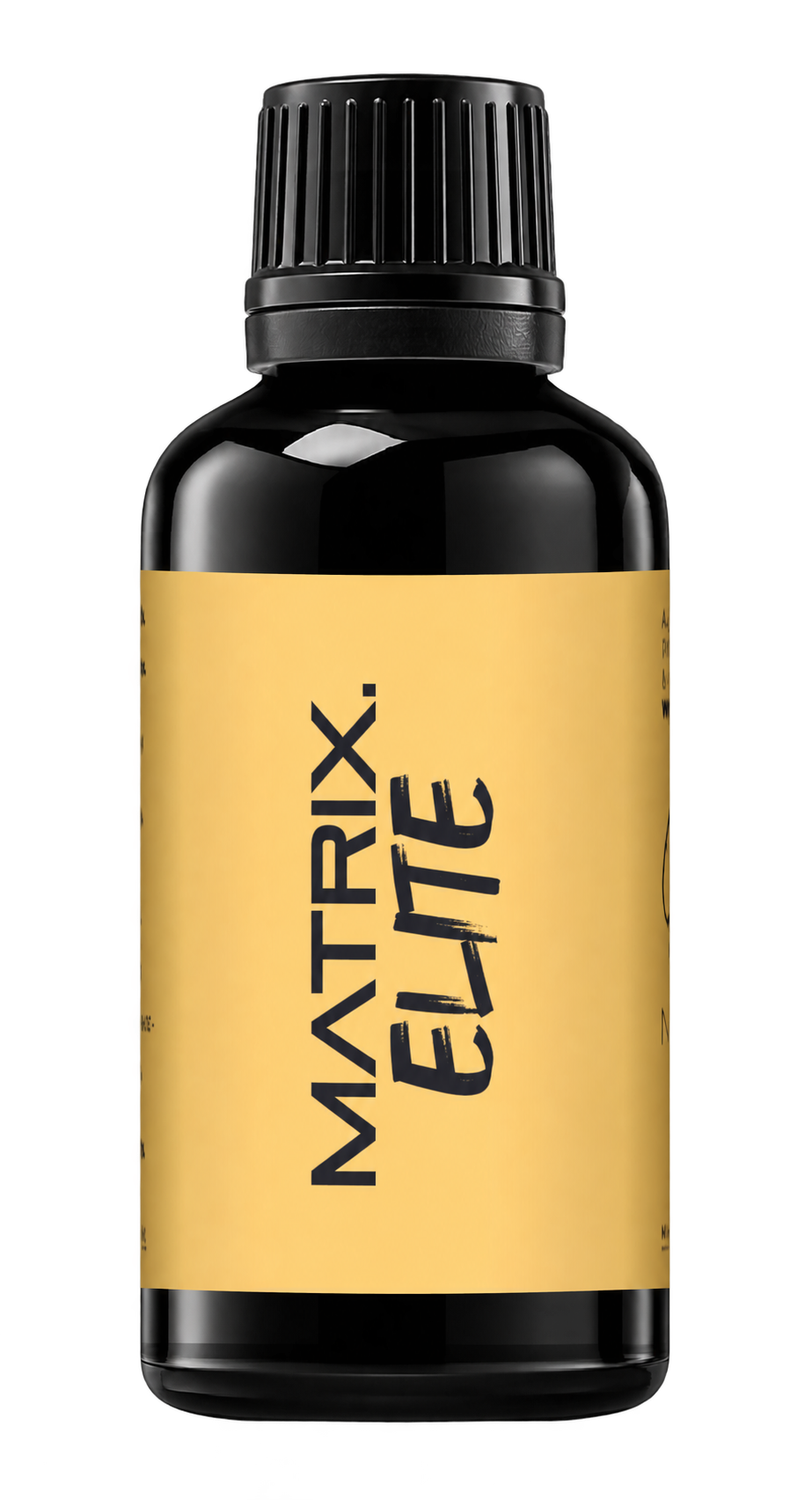
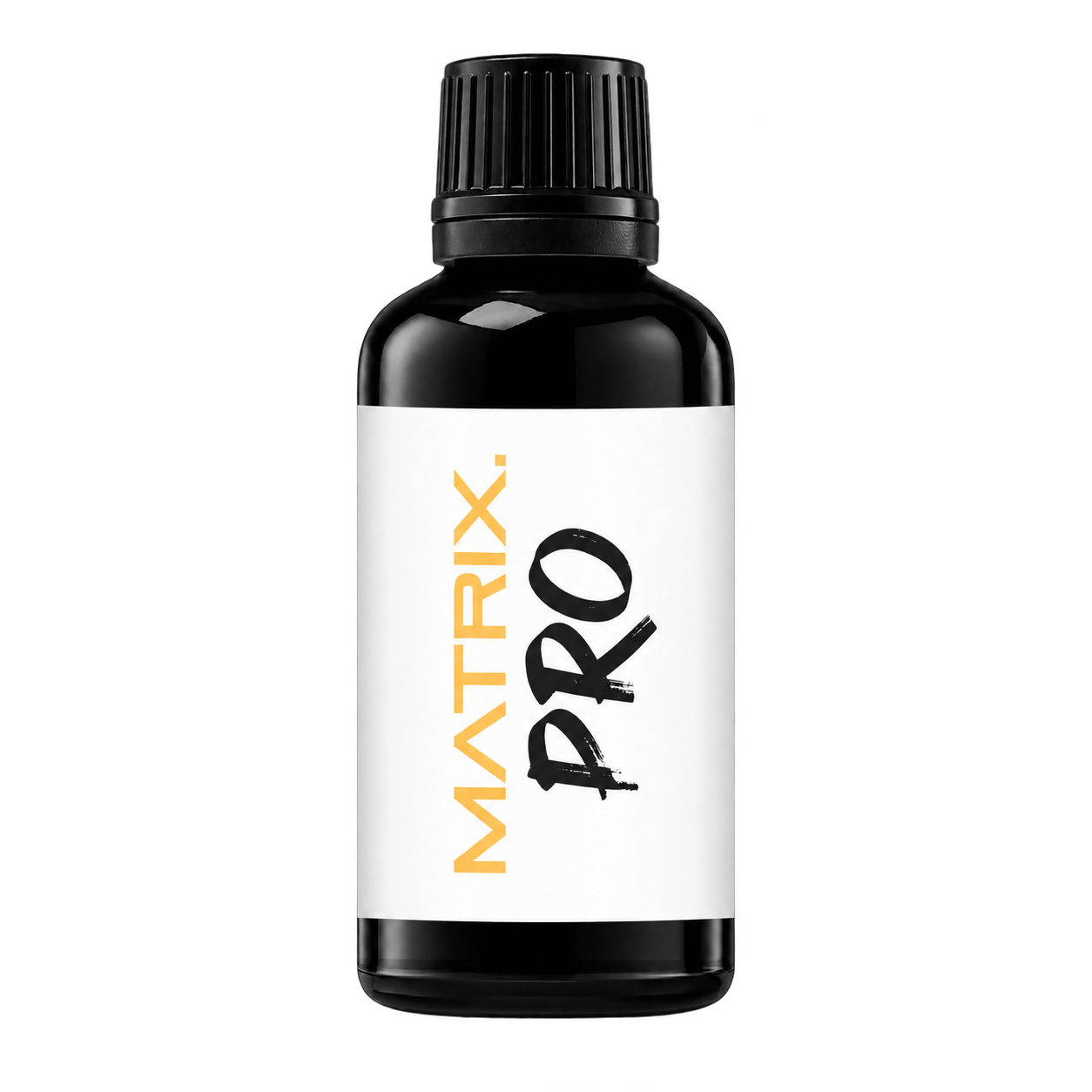
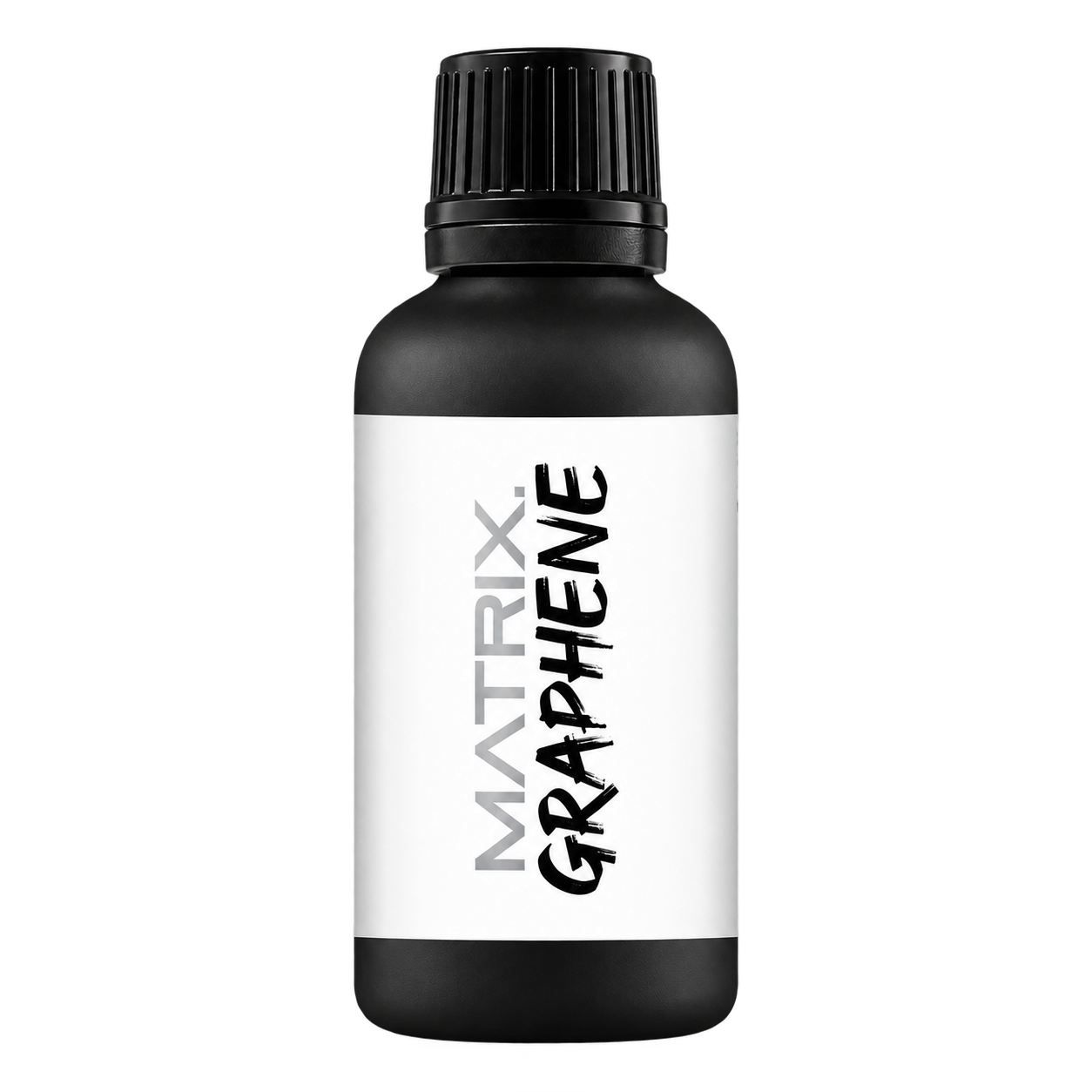
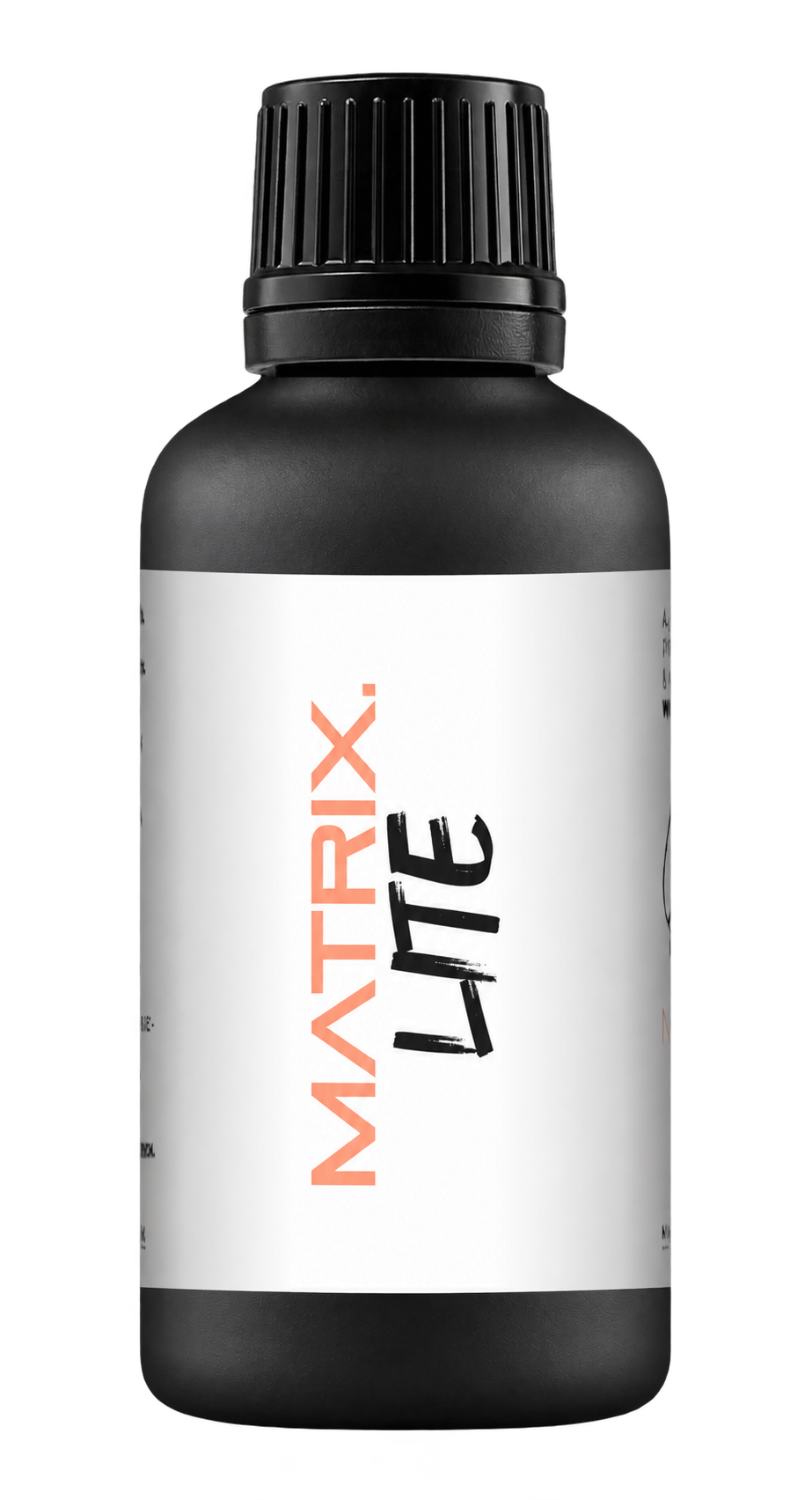
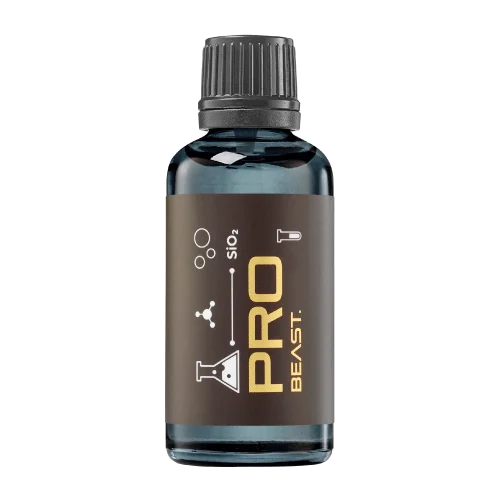
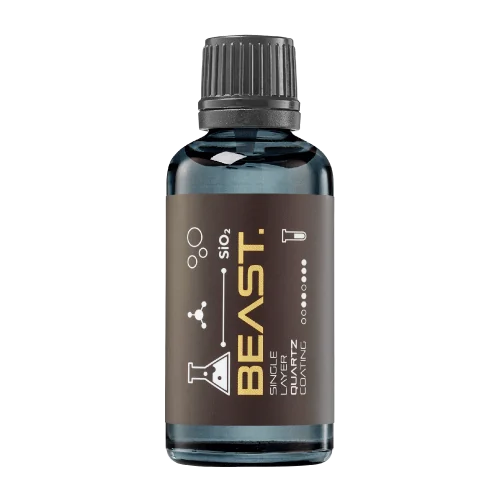
A full polishing range.
From cutting and one-step correction to final finishing.
Specialist chemistry. Expert application.
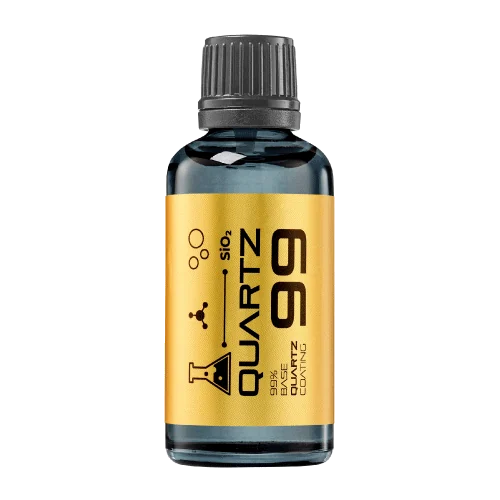 QUARTZ99 / CERAMIC BASE COAT
The foundation of your coating system.
A layerable quartz base coat designed for mechanical protection. Pair it with a suitable top coat to create the final finish.
For application by NANOLAB certified installers only.
Four formulas. Extended working time. Find the coating for your finish.
Explore the BEAST family of ceramic coatings.
Find the coating for each exterior surface.
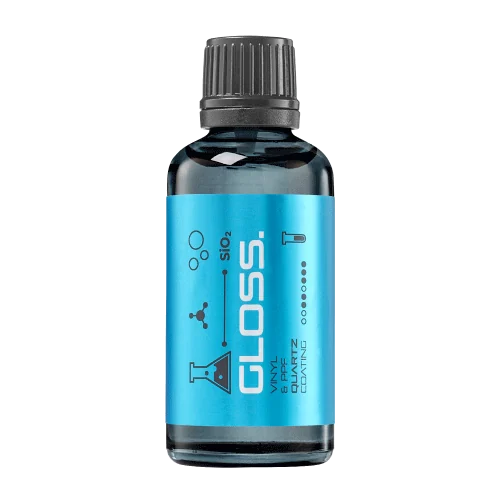 PPF & VINYLGLOSSProtection for glossy films and wraps.Discover
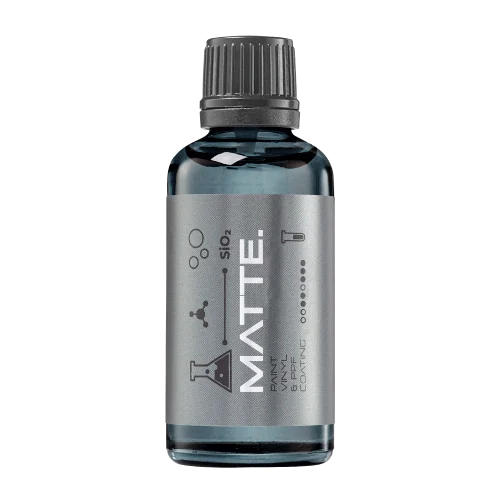 MATTE & SATINMATTEProtection that respects the finish.Discover
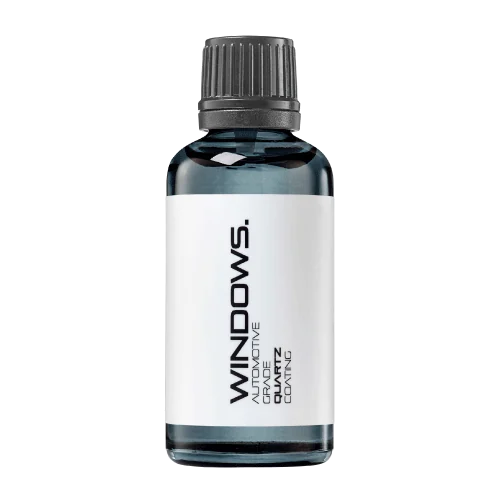 GLASSWINDOWSExplore dedicated glass protection.Discover
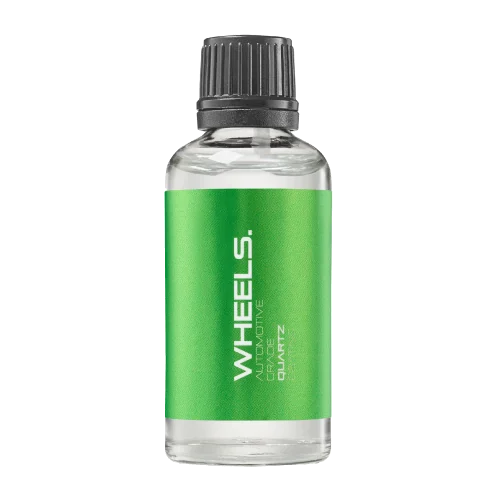 WHEEL PROTECTIONWHEELSA dedicated coating for your wheels.Discover
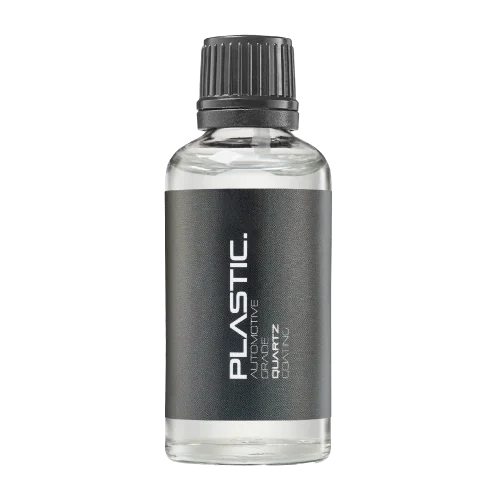 TRIM PROTECTIONPLASTICProtection for plastic surfaces.Discover
Dedicated care for the surfaces inside.
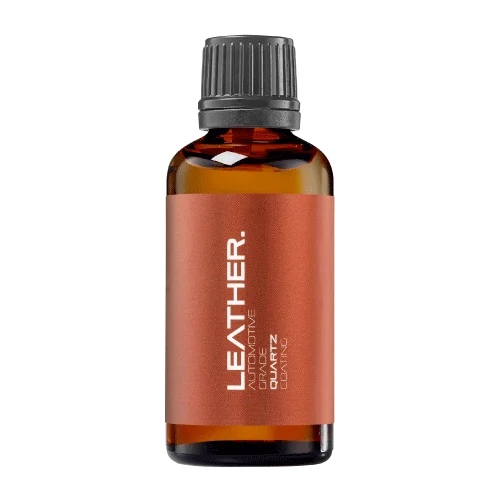 LEATHER SURFACESLEATHERDiscover NANOLAB leather protection.Discover PLASTIC SURFACESPLASTICProtection for interior plastic surfaces.Discover TEXTILE SURFACESFABRICExplore the latest fabric formulation.Discover
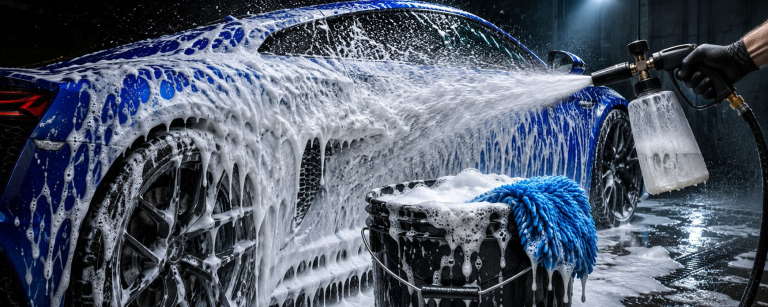 Preview all six shampoos →
Spray protection, maintenance and upcoming wash products.
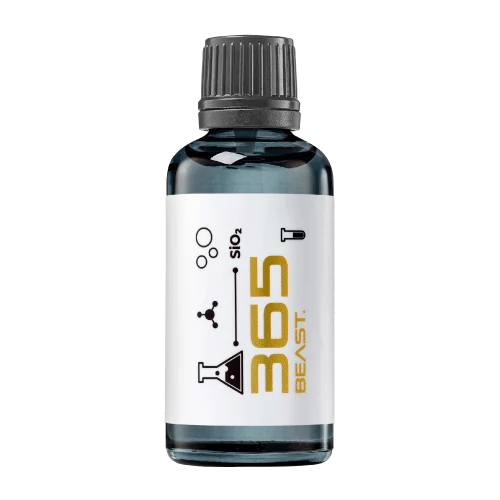 MAINTENANCEBEAST 365Explore the BEAST maintenance range.Discover
Next in washing, cleaning & care.
Ceramic protection for boats and yachts.
An easy-to-apply ceramic coating with an established track record on boats and yachts around the world.
Results vary with surface preparation, exposure and maintenance.
Read 50 MARINE guides →Explore MARINEProtection for the surfaces you live with.
A look at what we’re developing.
From cutting and one-step correction to final finishing.
A wider range for professional vehicle care.
Taking shape alongside BEAST & MATRIX.
Practical guidance for your next coating project.
Explore all guides →
Plan controlled salt-curve samples, account for carrier water, specify viscosity methods and choose a practical manufacturing range.
Updated · NANOLAB Knowledge
A salt curve maps the viscosity response of a specified surfactant formulation to controlled electrolyte additions. For a car shampoo, it can help identify a usable manufacturing range and reveal sensitivity to small changes. It is not a universal recipe for thickening every shampoo, and the highest viscosity is not automatically the best product.
The Centre for Industrial Rheology’s published surfactant study discusses salt-dependent flow behavior and measures viscosity across shear rates. Its tested system showed increasing viscosity within its investigated range; the report did not demonstrate the falling side of the curve in those samples. Do not borrow a turning point or an optimum concentration that was never measured in your own formulation.
Specify the actual surfactant grades, active content, pH, water, fragrance and other additions before testing. “The same base” is not a useful control if one sample also received a different fragrance or an unrecorded pH adjustment. Some raw materials already contribute electrolyte, so record the amount added separately from any estimate of total electrolyte.
A qualified formulator should select a safe, relevant test range from the ingredient and process information. Prepare equal final-mass samples with identical non-test components. If using a salt solution, include both its salt and its water in the mass balance. Use a zero-addition reference and enough independent repeat preparations to assess variation.
For an arithmetic example only, a 200.00 g final sample containing 0.50% deliberately added sodium chloride needs 1.00 g salt. If delivered using a 20% by-mass salt solution, it needs 5.00 g solution, including 4.00 g carrier water. That carrier water must be allowed for in the final 200.00 g formulation. These values are not recommended shampoo levels.
Sequentially adding salt to one beaker is convenient for exploration, but each addition changes total mass and mixing history. Independent samples are usually easier to compare when the purpose is a controlled formulation decision. Document any exploratory sequence so it is not mistaken for a final verification study.
| Record | Reason |
|---|---|
| Temperature and conditioning time | A warm fresh mixture and a rested sample are different measurement states |
| Instrument, geometry or spindle, speed and duration | A viscosity value needs its method |
| Preparation and mixing sequence | Order and mixing history can introduce unintended differences |
| Visible bubbles, haze, lumps or separation | A number alone can hide an unacceptable sample |
| Repeat preparation and reading identifiers | Repeat measurements of one cup do not replace independent batches |
Where flow depends on shear, consider a suitable rheological method instead of treating one spindle reading as the full behavior. The practical questions include whether the shampoo pours, pumps, fills and disperses at its intended dilution.
Imagine two candidate settings both meet the desired dispensing specification. One sits where a small composition change causes a large viscosity change; the other has a more gradual response. The second may offer more manufacturing tolerance, provided its other properties pass. Establish that conclusion with your measured data rather than assuming every system has a broad stable region.
Confirm the selected region with the final fragrance, color, packaging and relevant storage conditions. A salt adjustment that produces an attractive bottle texture could still impair handling or leave a product outside its other specifications. Foam appearance does not decide this question; see foam drainage and cleaning comparisons.
Transfer the approved formulation, addition method, measurement conditions, acceptance range and action limits into a controlled instruction. An operator should not have to improvise repeated salt additions until a batch “looks right.” An out-of-range batch needs investigation and an approved disposition.
Retain the complete curve, including unacceptable samples, with the private-label development record. It explains why the selected setting was chosen and provides a useful baseline when a raw material or fragrance changes.