






A full polishing range.
From cutting and one-step correction to final finishing.
Specialist chemistry. Expert application.
 QUARTZ99 / CERAMIC BASE COAT
The foundation of your coating system.
A layerable quartz base coat designed for mechanical protection. Pair it with a suitable top coat to create the final finish.
For application by NANOLAB certified installers only.
Four formulas. Extended working time. Find the coating for your finish.
Explore the BEAST family of ceramic coatings.
Find the coating for each exterior surface.
 PPF & VINYLGLOSSProtection for glossy films and wraps.Discover
 MATTE & SATINMATTEProtection that respects the finish.Discover
 GLASSWINDOWSExplore dedicated glass protection.Discover
 WHEEL PROTECTIONWHEELSA dedicated coating for your wheels.Discover
 TRIM PROTECTIONPLASTICProtection for plastic surfaces.Discover
Dedicated care for the surfaces inside.
 LEATHER SURFACESLEATHERDiscover NANOLAB leather protection.Discover PLASTIC SURFACESPLASTICProtection for interior plastic surfaces.Discover TEXTILE SURFACESFABRICExplore the latest fabric formulation.Discover
Spray protection, maintenance and upcoming wash products.
 MAINTENANCEBEAST 365Explore the BEAST maintenance range.Discover
Next in washing, cleaning & care.
Ceramic protection for boats and yachts.
An easy-to-apply ceramic coating with an established track record on boats and yachts around the world.
Results vary with surface preparation, exposure and maintenance.
Read 50 MARINE guides →Explore MARINEProtection for the surfaces you live with.
A look at what we’re developing.
From cutting and one-step correction to final finishing.
A wider range for professional vehicle care.
Taking shape alongside BEAST & MATRIX.
Practical guidance for your next coating project.
Explore all guides →
Trial a changed water supply on a limited, controlled wash task before modifying shampoo, rinse equipment and maintenance practice together.
Updated · NANOLAB Knowledge
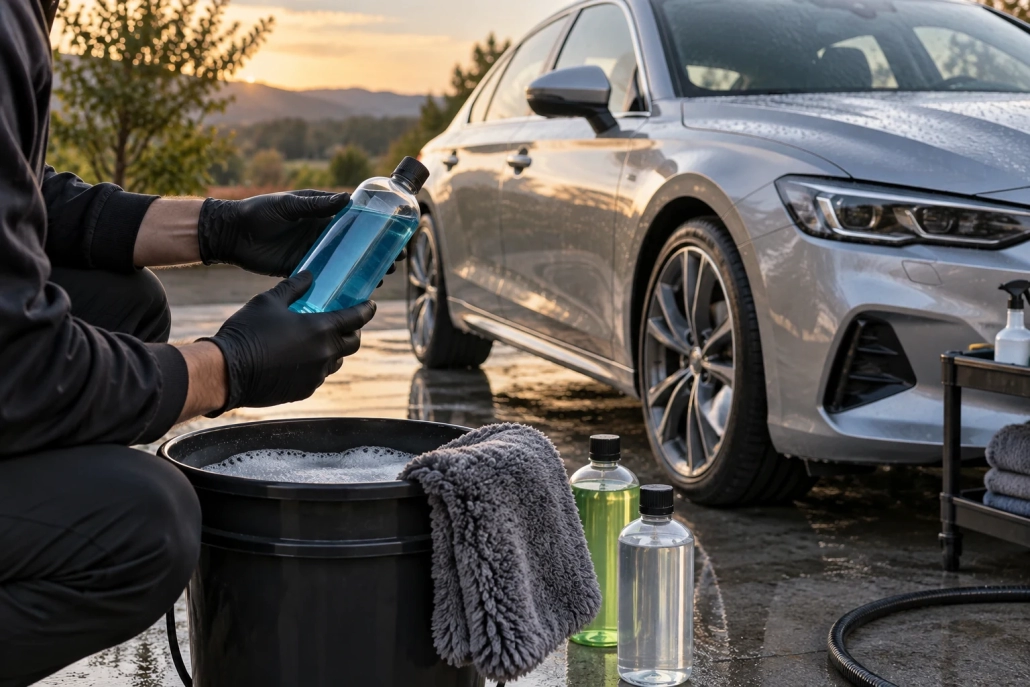
A move to another building, a new tank or temporary water delivery can change a wash process. If shampoo, equipment and drying are changed at the same time, it becomes difficult to learn which change helped or harmed the result.
Record the current water source, product dose, equipment and accepted finish. Select a suitable representative test area or reference panel. Include cleaning, rinsing and final dry inspection rather than judging only the foam or wet appearance.
Where practical and appropriate, compare the old and new water using the same supported process. Document relevant water analysis and the sampling point. Use comparable soil loading and avoid deliberately leaving damaging contamination on a valuable surface.
| Result | Next step |
|---|---|
| Cleaning remains acceptable, spotting changes | Investigate rinse and drying conditions |
| Cleaning performance changes | Review water chemistry and supported product options |
| Results vary unpredictably | Stabilise sampling and process conditions |
After an adjustment, repeat the whole task and include water use, labour and rewash frequency. A process that looks successful on one panel may create delays or residue elsewhere on a vehicle.
Keep the trial limited until the team has a reproducible outcome. Ask the water-treatment and coating suppliers for guidance where compatibility or equipment operation is uncertain.
Once accepted, update the process record with the actual water source and supported settings. Retaining the previous baseline makes a later problem easier to diagnose and prevents the workshop from repeatedly rediscovering why the routine was changed.
Ask NANOLAB about your surface and intended use. For application and care, use the current instructions for the exact product.
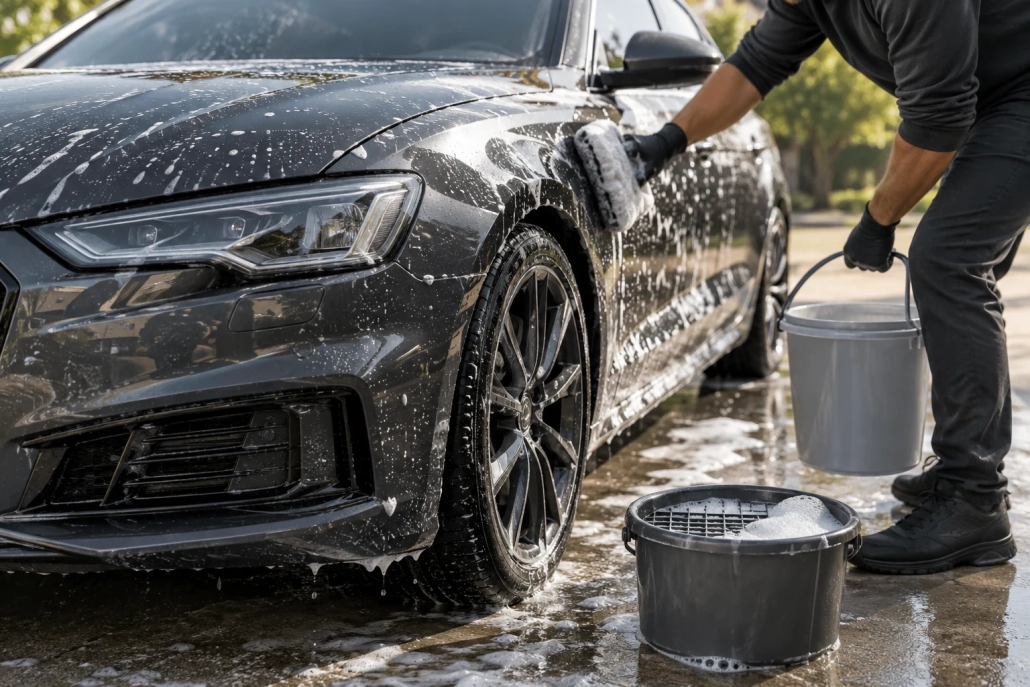
Build a gentle wash routine that removes loose grit before contact, keeps wheel tools separate and ends with careful rinsing and drying.
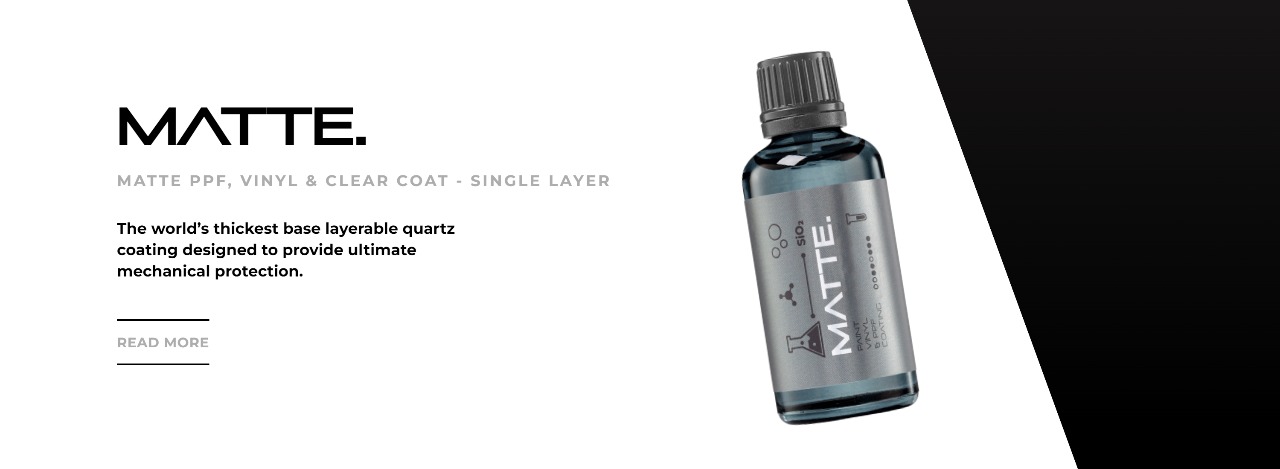
If the water supply stops during a car wash, prioritise the sections that already carry cleaner.
Compare municipal water information with samples from the actual wash nozzle before assigning a spotting problem to the public supply.

 A Production Traveller for Shower Glass Coated on One or Both Faces