






A full polishing range.
From cutting and one-step correction to final finishing.
Specialist chemistry. Expert application.
 QUARTZ99 / CERAMIC BASE COAT
The foundation of your coating system.
A layerable quartz base coat designed for mechanical protection. Pair it with a suitable top coat to create the final finish.
For application by NANOLAB certified installers only.
Four formulas. Extended working time. Find the coating for your finish.
Explore the BEAST family of ceramic coatings.
Find the coating for each exterior surface.
 PPF & VINYLGLOSSProtection for glossy films and wraps.Discover
 MATTE & SATINMATTEProtection that respects the finish.Discover
 GLASSWINDOWSExplore dedicated glass protection.Discover
 WHEEL PROTECTIONWHEELSA dedicated coating for your wheels.Discover
 TRIM PROTECTIONPLASTICProtection for plastic surfaces.Discover
Dedicated care for the surfaces inside.
 LEATHER SURFACESLEATHERDiscover NANOLAB leather protection.Discover PLASTIC SURFACESPLASTICProtection for interior plastic surfaces.Discover TEXTILE SURFACESFABRICExplore the latest fabric formulation.Discover
Spray protection, maintenance and upcoming wash products.
 MAINTENANCEBEAST 365Explore the BEAST maintenance range.Discover
Next in washing, cleaning & care.
Ceramic protection for boats and yachts.
An easy-to-apply ceramic coating with an established track record on boats and yachts around the world.
Results vary with surface preparation, exposure and maintenance.
Read 50 MARINE guides →Explore MARINEProtection for the surfaces you live with.
A look at what we’re developing.
From cutting and one-step correction to final finishing.
A wider range for professional vehicle care.
Taking shape alongside BEAST & MATRIX.
Practical guidance for your next coating project.
Explore all guides →
Confirm the exact food-area use and supporting documentation before selecting a coating for stainless equipment or preparation surfaces.
Updated · NANOLAB Knowledge
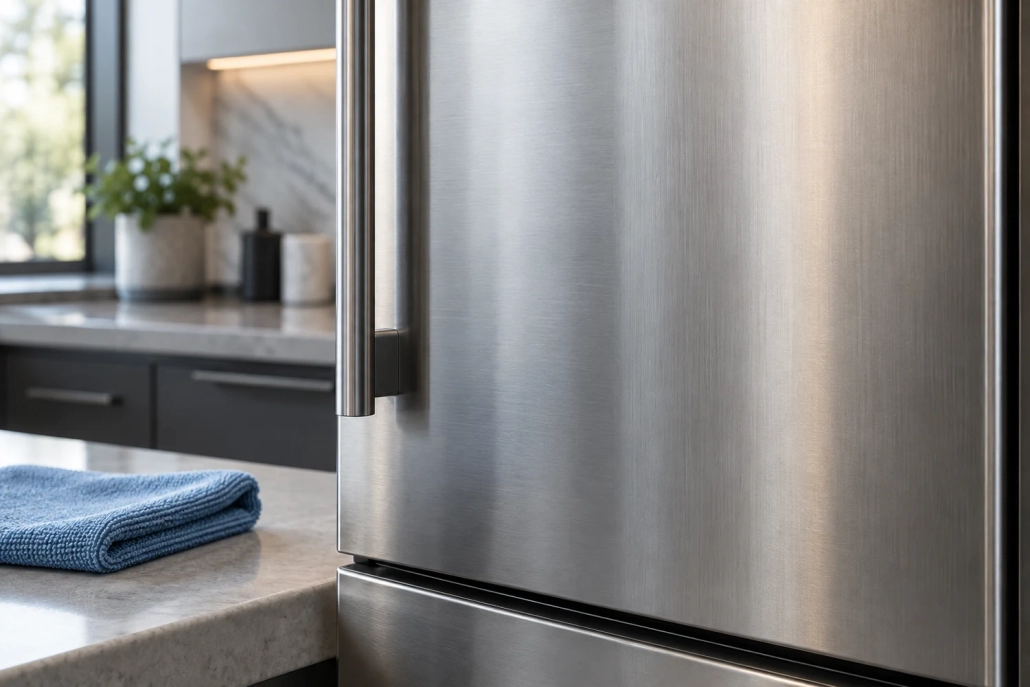
“Suitable for stainless steel” does not establish suitability for every food-area application. A decorative exterior panel, a preparation worktop and a heated food-contact component have different uses. Define the use before reviewing a coating proposal.
Identify whether food contact is intended or reasonably foreseeable, the food types, temperature, contact duration and cleaning regime. Include repeated use and mechanical wear where relevant. The material specification should name the final treated assembly, not only the bare metal.
FDA guidance for the United States explains that food-contact status depends on substances and conditions of use, and that some authorisations are manufacturer-specific. Other markets have their own requirements. A generic certificate, unrelated ingredient approval or claim about cured appearance is not enough to establish the intended installation’s status.
A fingerprint or cleanability trial can assess a practical benefit after the suitability review, but it cannot establish food-contact compliance. Have the responsible manufacturer or qualified compliance specialist confirm the exact use and jurisdiction. If that evidence is unavailable, exclude the food-contact area from the proposed treatment and document the boundary. Do not describe NANOLAB or any other coating as food-safe without product-specific support for the intended conditions.
The sources below support the stated concepts or describe their own methods. The worked scenarios are editorial examples, not NANOLAB test results.
Ask NANOLAB about your surface and intended use. For application and care, use the current instructions for the exact product.
Stainless steel appears in appliances, decorative panels, fittings and architectural details.
The right cleaner depends on the exposed finish, the coating and the residue being removed.
Coordinate protective-film removal, final building cleaning and coating acceptance when handing over stainless elevator surfaces.
 Elevator Stainless Steel Handover: Account for Protective Films and Final Building...