
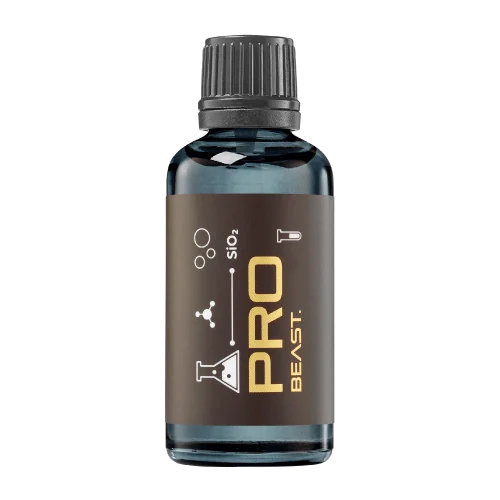

IN DEVELOPMENT / MATRIX SERIES
MATRIX ELITE P7020
The next flagship of the MATRIX series.
75%Solids content
Specialist chemistry. Expert application.
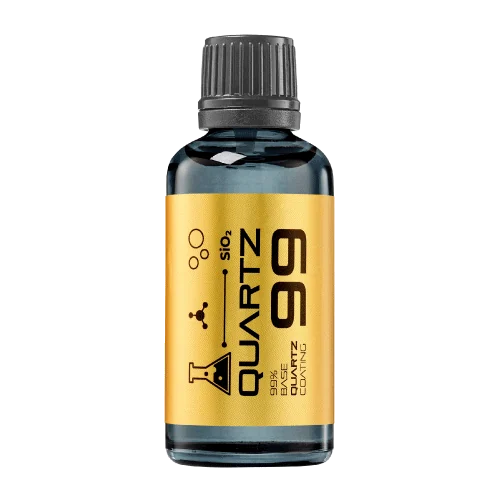 QUARTZ99 / CERAMIC BASE COAT
The foundation of your coating system.
A layerable quartz base coat designed for mechanical protection. Pair it with a suitable top coat to create the final finish.
For application by NANOLAB certified installers only.
Extended working time. A coating for the way you work.
 P5012MATRIX PRORefined protection for glossy finishes.Application1/10Discover P503GMATRIX GRAPHENEVersatile protection for gloss and matte finishes.Application1/10Discover P303MATRIX LITEFor efficient, high-volume detailing.Application1/10Discover
 Explore the BEAST family of ceramic coatings.
Find the coating for each exterior surface.
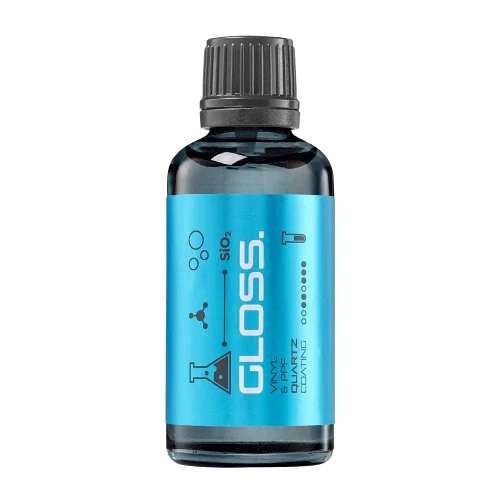 PPF & VINYLGLOSSProtection for glossy films and wraps.Application3/10Discover
 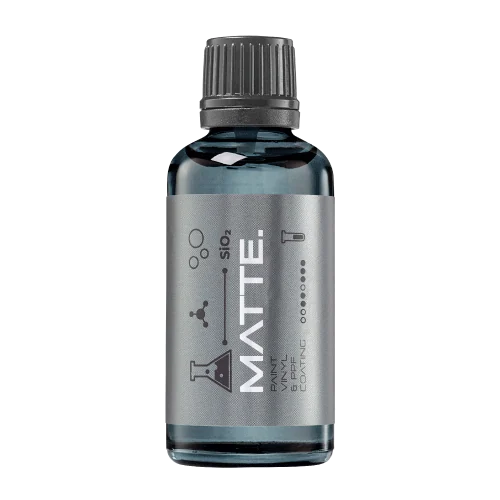 MATTE & SATINMATTEProtection that respects the finish.Application3/10Discover
 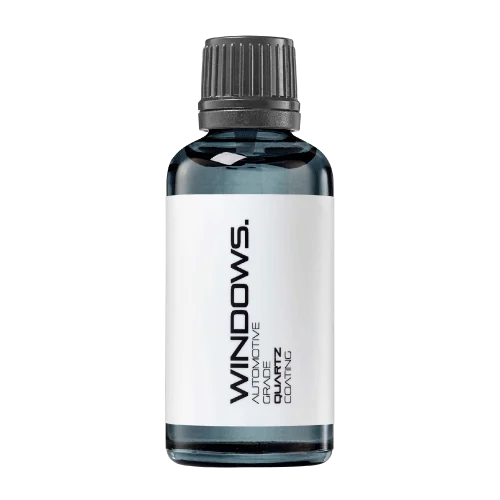 GLASSWINDOWSExplore dedicated glass protection.Application3/10Discover
 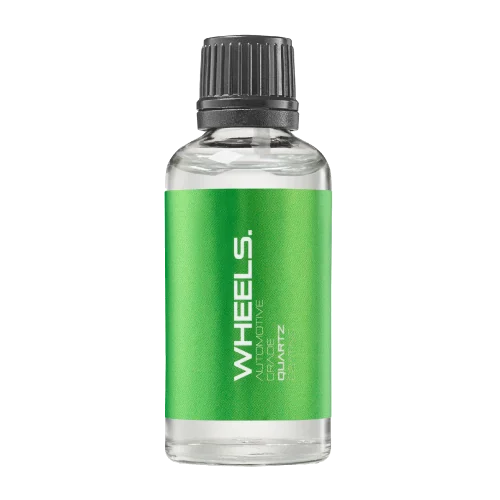 WHEEL PROTECTIONWHEELSA dedicated coating for your wheels.Application2/10Discover
 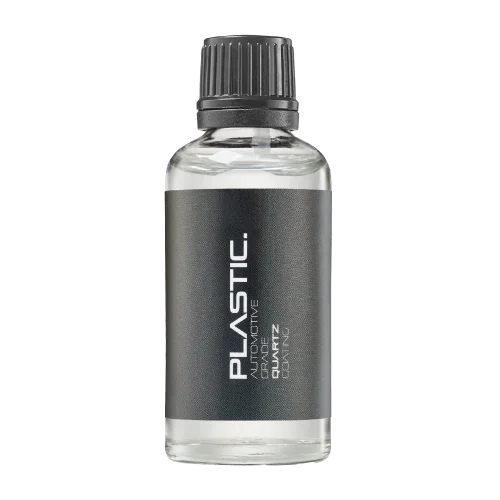 TRIM PROTECTIONPLASTICProtection for plastic surfaces.Application2/10Discover
 Dedicated care for the surfaces inside.
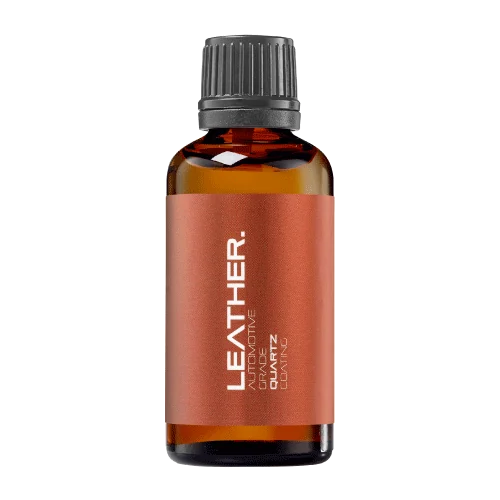 LEATHER SURFACESLEATHERDiscover NANOLAB leather protection.Application5/10Discover PLASTIC SURFACESPLASTICProtection for interior plastic surfaces.Application2/10Discover TEXTILE SURFACESFABRICExplore the latest fabric formulation.Application2/10Discover
 Spray protection, maintenance and upcoming wash products.
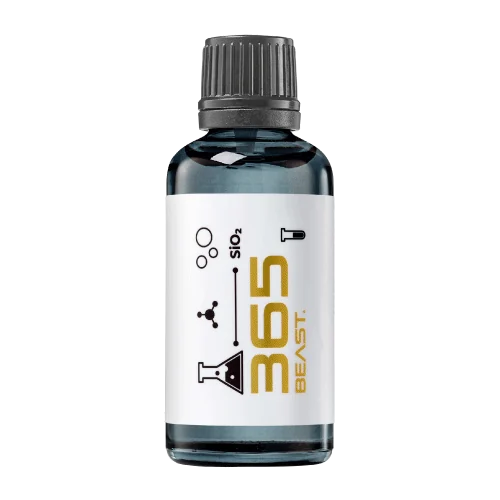 MAINTENANCEBEAST 365Explore the BEAST maintenance range.Application4/10Discover
 Next in washing, cleaning & care.
Ceramic protection for boats and yachts.
An easy-to-apply ceramic coating with an established track record on boats and yachts around the world.
Results vary with surface preparation, exposure and maintenance.
Read 50 MARINE guides →Explore MARINE Application4/10Protection for the surfaces you live with.
A look at what we’re developing.
The next flagship of the MATRIX series.
From cutting and one-step correction to final finishing.
A wider range for professional vehicle care.
Taking shape alongside BEAST & MATRIX.
Practical guidance for your next coating project.
Explore all guides →
Coastal exposure makes routine inspection and cleaning especially relevant for stainless surfaces.
Updated · NANOLAB Knowledge
Coastal exposure makes routine inspection and cleaning especially relevant for stainless surfaces. A coating should be considered as part of that maintenance plan, with the material and finish suited to the location.
Inspect accessible undersides, joints and areas beneath overhangs as well as exposed faces. Record where deposits persist and whether normal cleaning reaches them. Do not assume rainfall provides equivalent cleaning across the whole component.
Follow the metal manufacturer’s and coating supplier’s instructions for removing contamination. Keep tools free from abrasive or other metal residues. Inspect the surface dry after cleaning and document any staining that remains or returns quickly.
Provide grade, finish and exposure information to a qualified specialist if corrosion is suspected. A surface coating does not repair pitting or prove that the material is suitable for the environment. If a coating application is approved after assessment, record the preparation and maintain the agreed routine rather than relying only on visible water repellency.
See salt and chloride exposure and tea staining.