Ceramic Spray vs Curing Coating: Understanding the Intended Use
Learn why packaging is not a performance specification and how to distinguish maintenance sprays, top coats and curing ceramic coatings.
Updated · NANOLAB Knowledge
Read the purpose on the label
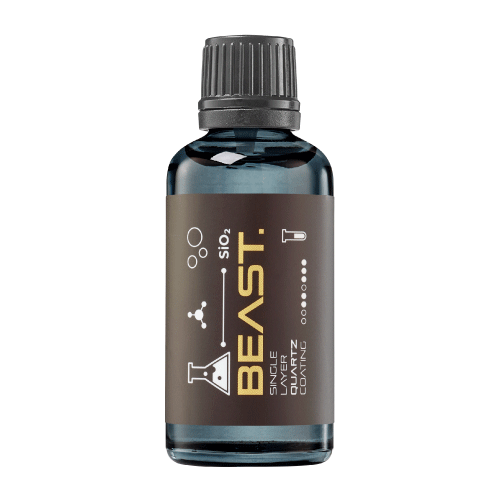
A spray bottle does not automatically mean weak protection, and a small glass bottle does not automatically mean professional durability. Products differ in chemistry, preparation needs and intended use. Some are designed for frequent maintenance; others form a coating that requires controlled application and curing.
Start by identifying whether the product is a cleaning aid, a topper, a stand-alone treatment or part of a multi-product system.
Compare the instructions
- Must the surface be fully prepared and free of previous protection?
- Is application allowed on wet or dry paint?
- How are excess product and streaks removed?
- When can the treated surface be washed?
- Is the product compatible with the coating already present?
Those answers are more useful than packaging or a broad ceramic label. A maintenance product should not be used to mask a preparation problem in a new installation.
Avoid unnecessary stacking
If a coating is clean and performing properly, an extra product may be unnecessary. Adding a topper can change slickness, gloss and water behaviour, complicating diagnosis later. Record what was used and why. When a system calls for a defined top coat, follow the approved sequence and timing rather than treating every spray or bottle as interchangeable.