






A full polishing range.
From cutting and one-step correction to final finishing.
Specialist chemistry. Expert application.
 QUARTZ99 / CERAMIC BASE COAT
The foundation of your coating system.
A layerable quartz base coat designed for mechanical protection. Pair it with a suitable top coat to create the final finish.
For application by NANOLAB certified installers only.
Four formulas. Extended working time. Find the coating for your finish.
Explore the BEAST family of ceramic coatings.
Find the coating for each exterior surface.
 PPF & VINYLGLOSSProtection for glossy films and wraps.Discover
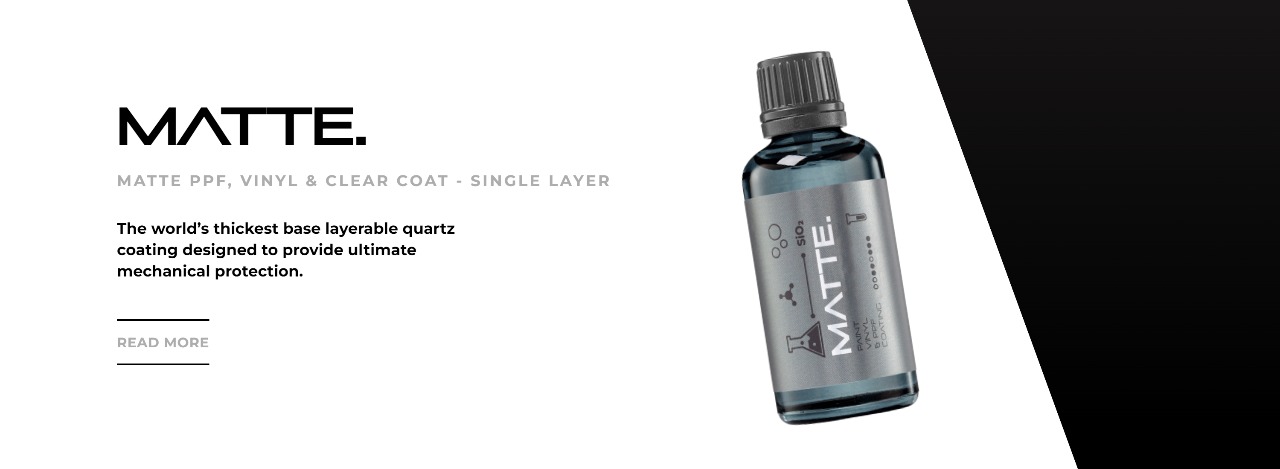
 MATTE & SATINMATTEProtection that respects the finish.Discover
 GLASSWINDOWSExplore dedicated glass protection.Discover
 WHEEL PROTECTIONWHEELSA dedicated coating for your wheels.Discover
 TRIM PROTECTIONPLASTICProtection for plastic surfaces.Discover
Dedicated care for the surfaces inside.
 LEATHER SURFACESLEATHERDiscover NANOLAB leather protection.Discover PLASTIC SURFACESPLASTICProtection for interior plastic surfaces.Discover TEXTILE SURFACESFABRICExplore the latest fabric formulation.Discover
Spray protection, maintenance and upcoming wash products.
 MAINTENANCEBEAST 365Explore the BEAST maintenance range.Discover
Next in washing, cleaning & care.
Ceramic protection for boats and yachts.
An easy-to-apply ceramic coating with an established track record on boats and yachts around the world.
Results vary with surface preparation, exposure and maintenance.
Read 50 MARINE guides →Explore MARINEProtection for the surfaces you live with.
A look at what we’re developing.
From cutting and one-step correction to final finishing.
A wider range for professional vehicle care.
Taking shape alongside BEAST & MATRIX.
Practical guidance for your next coating project.
Explore all guides →
A conductivity display should not be treated as a complete analysis of every constituent in treated water. If silica is relevant to an investigation, ask the water-treatment specialist whether the monitoring plan addresses it appropriately.
Updated · NANOLAB Knowledge
DuPont's ion-exchange design guidance lists conductivity and silica-related output criteria separately in relevant configurations. For a buyer, that distinction supports a focused question about the actual system. The equipment's displayed number must be interpreted within its design and monitoring scope rather than as an all-purpose purity certificate.
Illustrative example: a workshop sees an acceptable conductivity display but still investigates deposits after drying. The next step is not to declare the instrument useless or the coating defective. It is to review the complete process and determine whether the chosen measurement addresses the suspected cause.
This guide does not diagnose silica deposits or prescribe resin replacement. Several process factors can contribute to visible marks. Use qualified water-treatment advice and the coating supplier's care guidance rather than introducing unapproved chemicals to the surface or treatment system.
Technical references: DuPont: Effluent quality. These sources describe their stated methods or products; they do not certify NANOLAB products or establish compatibility with an unlisted surface.
Ask NANOLAB about the exact product and intended use. Use the current product documentation for formulation-specific instructions.
Collect appearance and history information without assuming the mark is removable or the coating failed.
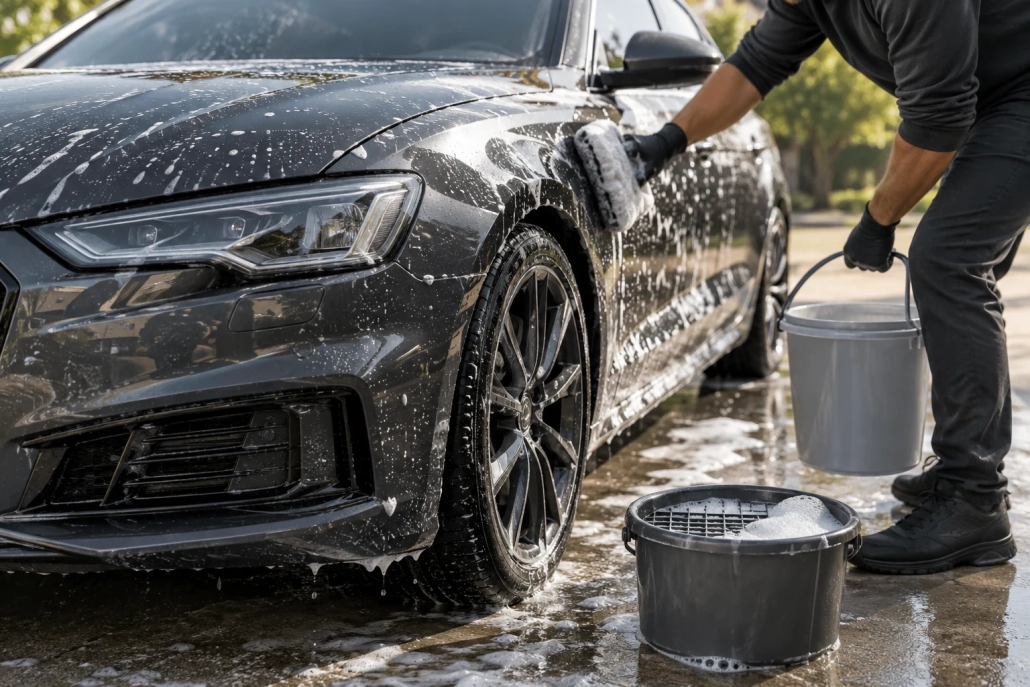
Consider panel temperature, cleaning instructions and rapid drying when choosing water conditions for washing a ceramic-coated vehicle.
Water quality at the treatment outlet does not by itself describe water after storage and delivery. If a detailing operation uses a tank, include that stage in the sampling plan when investigating inconsistent rinse results.