






A full polishing range.
From cutting and one-step correction to final finishing.
Specialist chemistry. Expert application.
 QUARTZ99 / CERAMIC BASE COAT
The foundation of your coating system.
A layerable quartz base coat designed for mechanical protection. Pair it with a suitable top coat to create the final finish.
For application by NANOLAB certified installers only.
Four formulas. Extended working time. Find the coating for your finish.
Explore the BEAST family of ceramic coatings.
Find the coating for each exterior surface.
 PPF & VINYLGLOSSProtection for glossy films and wraps.Discover
 MATTE & SATINMATTEProtection that respects the finish.Discover
 GLASSWINDOWSExplore dedicated glass protection.Discover
 WHEEL PROTECTIONWHEELSA dedicated coating for your wheels.Discover
 TRIM PROTECTIONPLASTICProtection for plastic surfaces.Discover
Dedicated care for the surfaces inside.
 LEATHER SURFACESLEATHERDiscover NANOLAB leather protection.Discover PLASTIC SURFACESPLASTICProtection for interior plastic surfaces.Discover TEXTILE SURFACESFABRICExplore the latest fabric formulation.Discover
Spray protection, maintenance and upcoming wash products.
 MAINTENANCEBEAST 365Explore the BEAST maintenance range.Discover
Next in washing, cleaning & care.
Ceramic protection for boats and yachts.
An easy-to-apply ceramic coating with an established track record on boats and yachts around the world.
Results vary with surface preparation, exposure and maintenance.
Read 50 MARINE guides →Explore MARINEProtection for the surfaces you live with.
A look at what we’re developing.
From cutting and one-step correction to final finishing.
A wider range for professional vehicle care.
Taking shape alongside BEAST & MATRIX.
Practical guidance for your next coating project.
Explore all guides →
Check stainless steel panel orientation before attributing appearance differences to a coating, especially on directional brushed finishes.
Updated · NANOLAB Knowledge
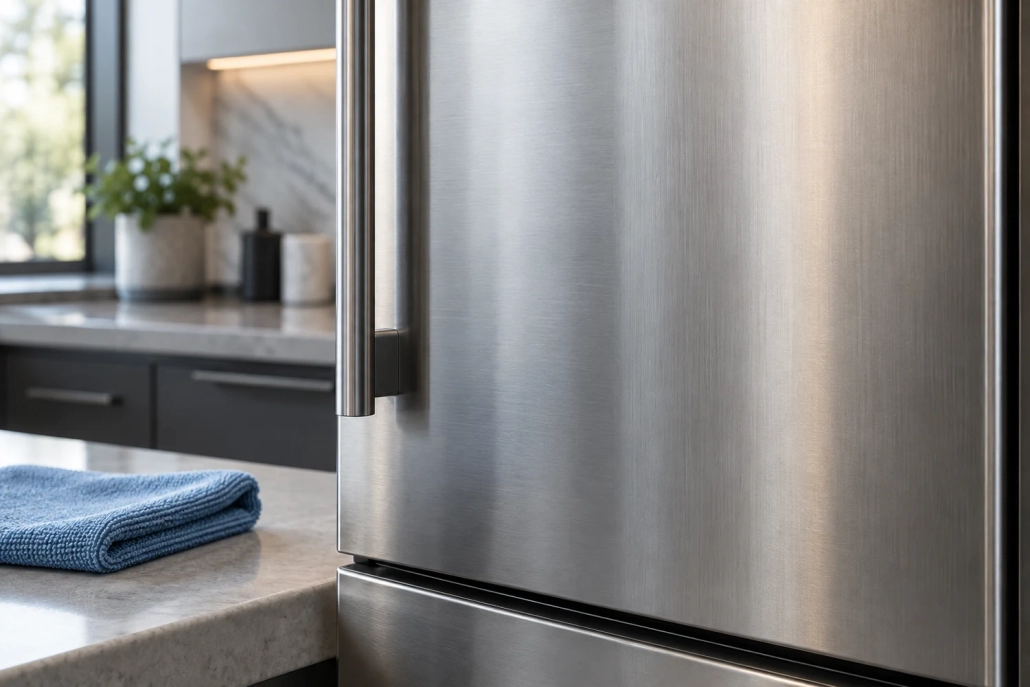
Two pieces of brushed stainless steel can look different when one is rotated, even if their finish and treatment are nominally the same. Directional surface structure and viewing geometry belong in the inspection record.
Mark the grain direction on the drawing or a suitable non-evaluated area. Record how the sample is mounted relative to the light and observer. A small sample approved horizontally may not represent the same visual presentation when installed vertically.
| Comparison | Purpose |
|---|---|
| Same sample, same position | Check repeatability |
| Same sample rotated | Reveal orientation sensitivity |
| Two samples with aligned grain | Improve the coating comparison |
| Installed viewing position | Confirm practical appearance |
A brighter or darker panel may reflect the light differently because of orientation. Compare aligned samples before concluding that one has excessive coating or a colour change. Preserve the dry surface condition and clean handling throughout the check.
A lift interior contains adjacent replacement panels. One appears darker after treatment, but its grain direction differs from the neighbouring panels. The orientation difference needs assessment before any coating rework is approved. Reapplying product may not address the underlying visual mismatch.
Stainless-care guidance commonly recommends cleaning with the grain. For a coated or decorative finish, also follow the specific finish and coating instructions. A general metal-care method does not authorise abrasive correction of an unknown factory finish.
Approve mock-ups in the position and lighting relevant to the project. Record the orientation with the accepted sample so later orders can reproduce it.
This check prevents a geometry-related appearance difference from being mistaken for a chemistry problem and gives designers, installers and coating teams a common reference.
The sources below support the stated concepts or describe their own methods. The worked scenarios are editorial examples, not NANOLAB test results.
Ask NANOLAB about your surface and intended use. For application and care, use the current instructions for the exact product.
Stainless steel appears in appliances, decorative panels, fittings and architectural details.
Polishing can affect an existing nano coating and the finish beneath it.
Compare coated stainless steel cleaning across two shifts using the same accepted finish, tool controls and handover record.
 A Stainless Steel Cleaning Trial across Two Shifts