






A full polishing range.
From cutting and one-step correction to final finishing.
Specialist chemistry. Expert application.
 QUARTZ99 / CERAMIC BASE COAT
The foundation of your coating system.
A layerable quartz base coat designed for mechanical protection. Pair it with a suitable top coat to create the final finish.
For application by NANOLAB certified installers only.
Four formulas. Extended working time. Find the coating for your finish.
Explore the BEAST family of ceramic coatings.
Find the coating for each exterior surface.
 PPF & VINYLGLOSSProtection for glossy films and wraps.Discover
 MATTE & SATINMATTEProtection that respects the finish.Discover
 GLASSWINDOWSExplore dedicated glass protection.Discover
 WHEEL PROTECTIONWHEELSA dedicated coating for your wheels.Discover
 TRIM PROTECTIONPLASTICProtection for plastic surfaces.Discover
Dedicated care for the surfaces inside.
 LEATHER SURFACESLEATHERDiscover NANOLAB leather protection.Discover PLASTIC SURFACESPLASTICProtection for interior plastic surfaces.Discover TEXTILE SURFACESFABRICExplore the latest fabric formulation.Discover
Spray protection, maintenance and upcoming wash products.
 MAINTENANCEBEAST 365Explore the BEAST maintenance range.Discover
Next in washing, cleaning & care.
Ceramic protection for boats and yachts.
An easy-to-apply ceramic coating with an established track record on boats and yachts around the world.
Results vary with surface preparation, exposure and maintenance.
Read 50 MARINE guides →Explore MARINEProtection for the surfaces you live with.
A look at what we’re developing.
From cutting and one-step correction to final finishing.
A wider range for professional vehicle care.
Taking shape alongside BEAST & MATRIX.
Practical guidance for your next coating project.
Explore all guides →
Trace irrigation overspray and water quality when glass balustrades repeatedly develop deposits, before changing the coating or cleaning routine.
Updated · NANOLAB Knowledge
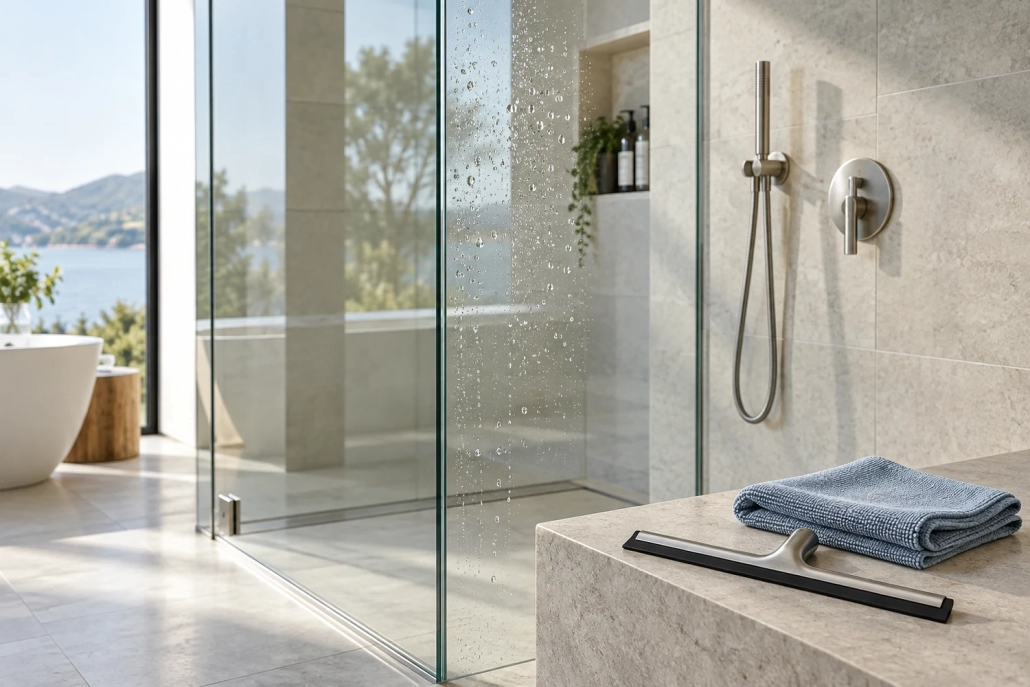
Glass beside irrigation can receive repeated wetting that differs greatly from rainfall. If deposits return in a regular band or arc, examine the sprinkler exposure before assuming that the coating has failed.
Record which nozzles reach the glass, the wetting pattern and the areas where water collects or dries. Coordinate any adjustments with the responsible landscaping or building team. Avoid changing irrigation coverage in a way that creates another maintenance problem.
Note whether the system uses mains, bore, reclaimed or blended water. Where analysis is needed, choose measurements relevant to the deposit question. A single conductivity reading cannot identify all constituents responsible for a visible residue.
Photograph fixed zones after cleaning and after a known number of irrigation cycles. For example, a two-week comparison is misleading if one period had daily irrigation and the other had none. If source control reduces deposits, retain that measure in the care plan. Evaluate the coating’s cleaning benefit under the remaining exposure without promising that repeated mineral-bearing water can never leave a mark.
Ask NANOLAB about your surface and intended use. For application and care, use the current instructions for the exact product.

Use clear checkpoints before application, after levelling and at handover to make coating work consistent and traceable.
A balustrade includes glass, fittings, seals and safety-critical components. A cosmetic surface treatment should have a clearly limited scope.
Review module-specific instructions before proposing an aftermarket glass coating, and separate cleaning tests from electrical performance claims.

 Solar Panel Glass and Aftermarket Coatings: Start with the Module Manufacturer’s...