






A full polishing range.
From cutting and one-step correction to final finishing.
Specialist chemistry. Expert application.
 QUARTZ99 / CERAMIC BASE COAT
The foundation of your coating system.
A layerable quartz base coat designed for mechanical protection. Pair it with a suitable top coat to create the final finish.
For application by NANOLAB certified installers only.
Four formulas. Extended working time. Find the coating for your finish.
Explore the BEAST family of ceramic coatings.
Find the coating for each exterior surface.
 PPF & VINYLGLOSSProtection for glossy films and wraps.Discover
 MATTE & SATINMATTEProtection that respects the finish.Discover
 GLASSWINDOWSExplore dedicated glass protection.Discover
 WHEEL PROTECTIONWHEELSA dedicated coating for your wheels.Discover
 TRIM PROTECTIONPLASTICProtection for plastic surfaces.Discover
Dedicated care for the surfaces inside.
 LEATHER SURFACESLEATHERDiscover NANOLAB leather protection.Discover PLASTIC SURFACESPLASTICProtection for interior plastic surfaces.Discover TEXTILE SURFACESFABRICExplore the latest fabric formulation.Discover
Spray protection, maintenance and upcoming wash products.
 MAINTENANCEBEAST 365Explore the BEAST maintenance range.Discover
Next in washing, cleaning & care.
Ceramic protection for boats and yachts.
An easy-to-apply ceramic coating with an established track record on boats and yachts around the world.
Results vary with surface preparation, exposure and maintenance.
Read 50 MARINE guides →Explore MARINEProtection for the surfaces you live with.
A look at what we’re developing.
From cutting and one-step correction to final finishing.
A wider range for professional vehicle care.
Taking shape alongside BEAST & MATRIX.
Practical guidance for your next coating project.
Explore all guides →
Scale a shower glass coating pilot in stages while checking process consistency, handling and inspection before increasing daily output.
Updated · NANOLAB Knowledge
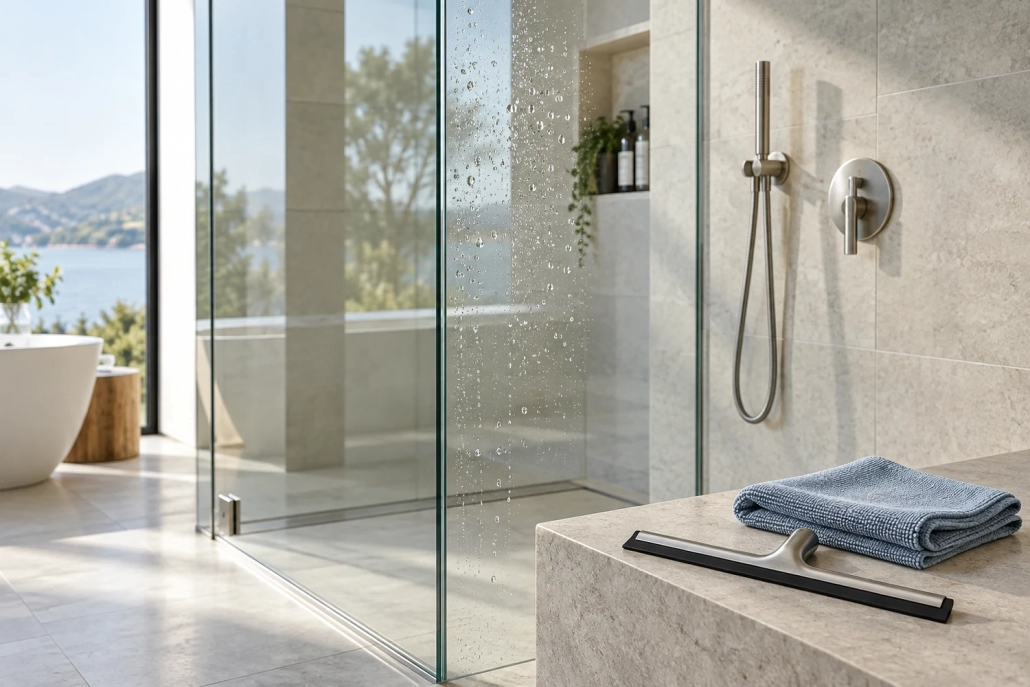
Ten successful panels show that a process can work. They do not yet show that it will remain consistent across a full shift, mixed orders and different operators. Scale the pilot through deliberate stages with clear release criteria.
| Readiness | Evidence to collect |
|---|---|
| Product and substrate | Compatible glass and acceptable treated appearance |
| Process | Repeatable preparation, application and inspection |
| Operation | Traceable handling, capacity and packing |
Do not treat a successful coating sample as approval of an untested packing material or a faster production rate. Each stage adds a different source of risk that should be observed directly.
After the initial sample set, include the shapes, sizes and orientations that the factory normally handles. Add a second trained operator and a normal shift handover. Test the recovery process for a planned pause without creating an unsafe interruption.
Define what triggers a hold: uncertain panel identity, unacceptable appearance, unexplained contact marks or a process step outside the approved instructions. Make it easy to pause the pilot and record the affected panes. A pilot that cannot stop safely is not ready for routine production.
For illustration, a first set may pass visually while a larger set reveals delays at inspection. The appropriate response is to fix inspection flow or reduce input rate, not to assume the coating needs less holding time.
Track accepted output, rework, consumables, waiting and rejected panes. Review early and late pieces separately to detect changes during the shift. Keep any product batch or consumable change visible in the record.
The final approval should name the glass types, product, process instructions, trained roles, handling conditions and inspection method covered. New materials or substantially changed throughput can require another limited qualification.
Scaling succeeds when the factory can reproduce the accepted result with ordinary staff and normal variability. A carefully staged pilot turns a promising sample into an operating process.
Discuss a shower-glass coating project. For application and care, use the current instructions for the exact product.
A short inspection helps determine whether shower glass needs ordinary cleaning, deposit removal or specialist restoration before coating.
Record comparable cleaning tasks and observations without assuming a preset percentage saving.
Validate separators, wraps, labels and contact pressure as one packing system for nano-coated glass before shipping production orders.
 Packing Nano-Coated Glass: Validate the Full Contact Stack