






A full polishing range.
From cutting and one-step correction to final finishing.
Specialist chemistry. Expert application.
 QUARTZ99 / CERAMIC BASE COAT
The foundation of your coating system.
A layerable quartz base coat designed for mechanical protection. Pair it with a suitable top coat to create the final finish.
For application by NANOLAB certified installers only.
Four formulas. Extended working time. Find the coating for your finish.
Explore the BEAST family of ceramic coatings.
Find the coating for each exterior surface.
 PPF & VINYLGLOSSProtection for glossy films and wraps.Discover
 MATTE & SATINMATTEProtection that respects the finish.Discover
 GLASSWINDOWSExplore dedicated glass protection.Discover
 WHEEL PROTECTIONWHEELSA dedicated coating for your wheels.Discover
 TRIM PROTECTIONPLASTICProtection for plastic surfaces.Discover
Dedicated care for the surfaces inside.
 LEATHER SURFACESLEATHERDiscover NANOLAB leather protection.Discover PLASTIC SURFACESPLASTICProtection for interior plastic surfaces.Discover TEXTILE SURFACESFABRICExplore the latest fabric formulation.Discover
Spray protection, maintenance and upcoming wash products.
 MAINTENANCEBEAST 365Explore the BEAST maintenance range.Discover
Next in washing, cleaning & care.
Ceramic protection for boats and yachts.
An easy-to-apply ceramic coating with an established track record on boats and yachts around the world.
Results vary with surface preparation, exposure and maintenance.
Read 50 MARINE guides →Explore MARINEProtection for the surfaces you live with.
A look at what we’re developing.
From cutting and one-step correction to final finishing.
A wider range for professional vehicle care.
Taking shape alongside BEAST & MATRIX.
Practical guidance for your next coating project.
Explore all guides →
Choose and document a demonstration vehicle that represents the local customer's use case.
Updated · NANOLAB Knowledge
A demonstration vehicle should represent a meaningful customer use case. Choosing it only because it looks impressive can produce a demonstration that tells local buyers little about their own work. Start with the question the vehicle is intended to help answer.
Record the vehicle's surfaces, known repair history and existing treatments. Identify which areas will be included and which are excluded. If the vehicle combines paint, film and trim, map those differences instead of assuming that one product choice applies everywhere.
Keep the exact product identity, current instruction reference and preparation record. Photograph relevant initial conditions. Explain any limits to the vehicle's history. A demonstration can still be useful when some facts are unknown, provided those unknowns are not hidden or converted into confident claims.
For example, an ongoing display vehicle should have a maintenance record so later observations can be interpreted in context. Do not present a fresh cleaning result as evidence of an unchanged long-term condition. Decide who may maintain the vehicle and how changes are recorded. The demonstration brief should include audience, intended observations and the route for questions. This turns the vehicle into a repeatable teaching asset rather than a visually attractive object whose treatment history nobody can explain.
Record paint condition, repaired panels, films, existing protection and the areas approved for the demonstration. Agree what correction is included and what appearance limitations will remain. Keep the owner's consent and the actual service scope distinct from permission to photograph or publicize the vehicle.
Choose a surface that helps answer the intended buyer question. A heavily prepared show car may be unsuitable for explaining a routine workshop service unless that preparation is disclosed. Photograph the starting condition and the accepted finish consistently. If the vehicle has mixed materials, identify the demonstrated zone clearly so observers do not assume that every visible surface received the same product or process.
Discuss your distribution requirements. For supporting information, review the current product documentation and the local distributor information.
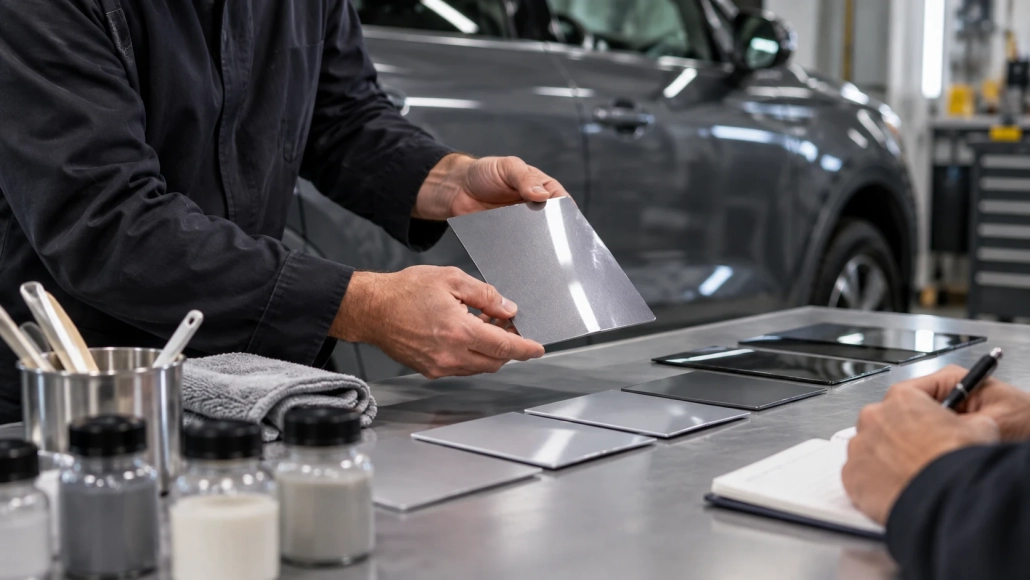
Collect useful private label coating feedback from distributors without confusing application issues, packaging faults and product expectations.
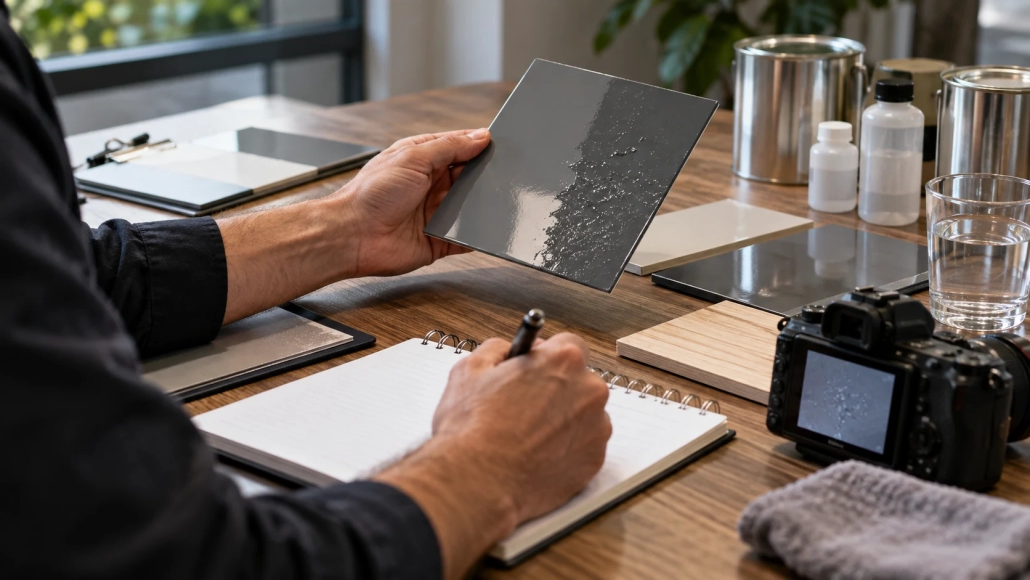
Handle coating support questions by identifying the product, surface, timing and evidence before recommending corrective action.

Translate base layers, top coats and maintenance into a clear sequence of customer decisions.