IN DEVELOPMENT / MATRIX SERIES
MATRIX ELITE P7020
The next flagship of the MATRIX series.
75%Solids content
Specialist chemistry. Expert application.
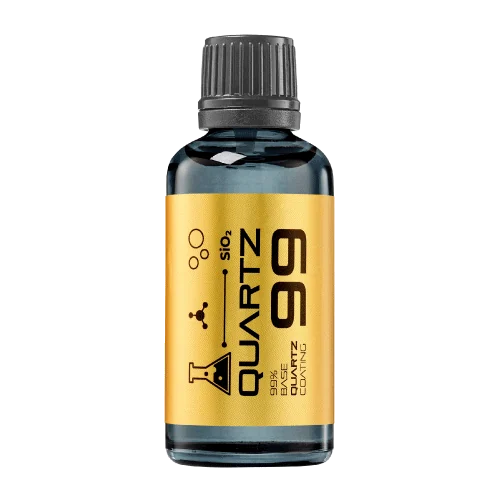 QUARTZ99 / CERAMIC BASE COAT
The foundation of your coating system.
A layerable quartz base coat designed for mechanical protection. Pair it with a suitable top coat to create the final finish.
For application by NANOLAB certified installers only.
Extended working time. A coating for the way you work.
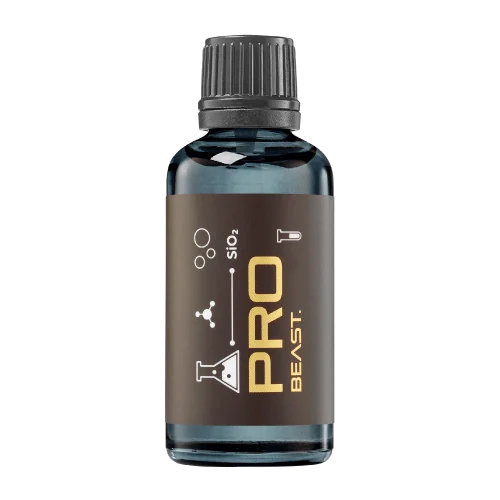
 P5012MATRIX PRORefined protection for glossy finishes.Application1/10Discover P503GMATRIX GRAPHENEVersatile protection for gloss and matte finishes.Application1/10Discover P303MATRIX LITEFor efficient, high-volume detailing.Application1/10Discover
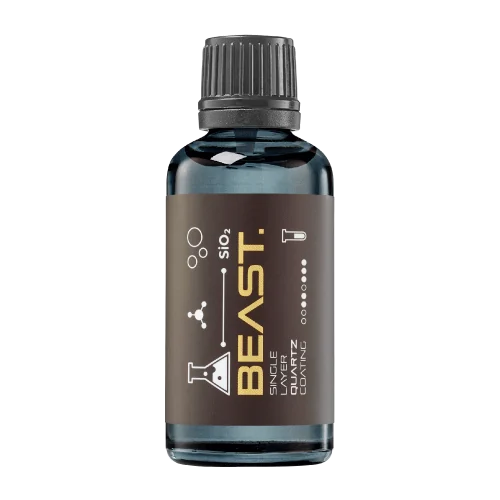
 Explore the BEAST family of ceramic coatings.
Find the coating for each exterior surface.
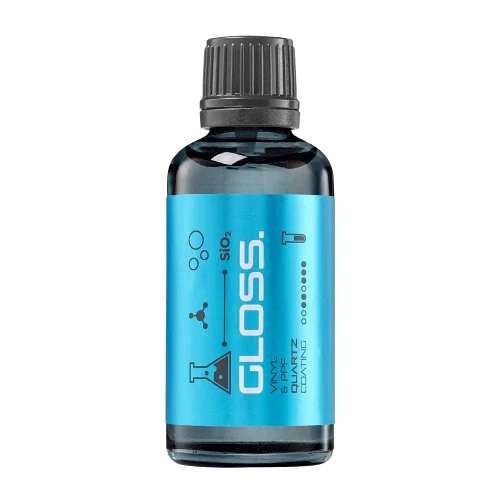 PPF & VINYLGLOSSProtection for glossy films and wraps.Application3/10Discover
 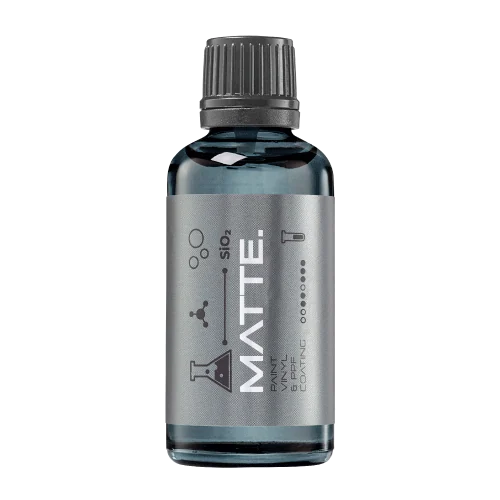 MATTE & SATINMATTEProtection that respects the finish.Application3/10Discover
 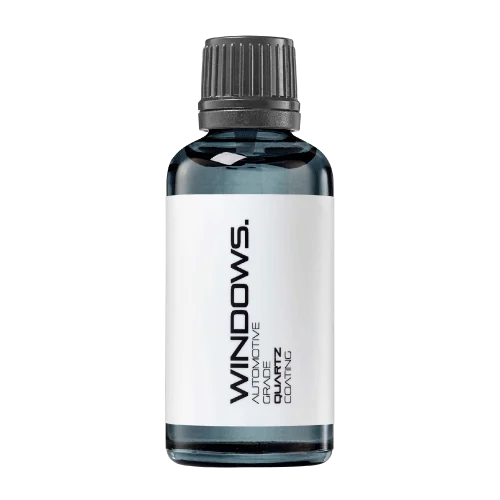 GLASSWINDOWSExplore dedicated glass protection.Application3/10Discover
 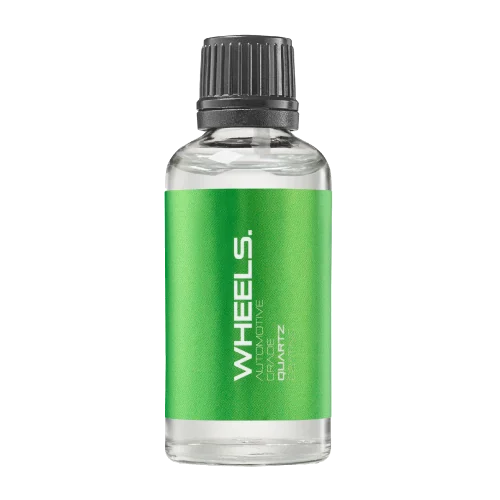 WHEEL PROTECTIONWHEELSA dedicated coating for your wheels.Application2/10Discover
 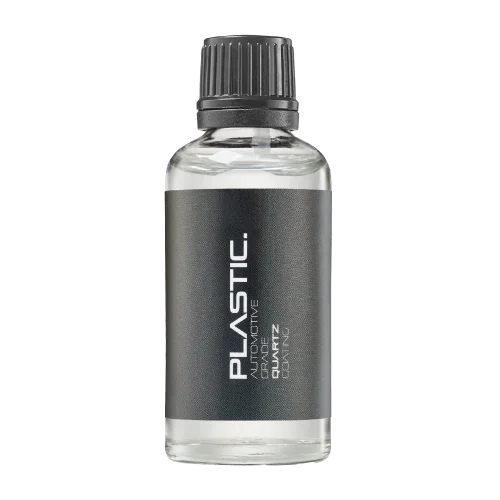 TRIM PROTECTIONPLASTICProtection for plastic surfaces.Application2/10Discover
 Dedicated care for the surfaces inside.
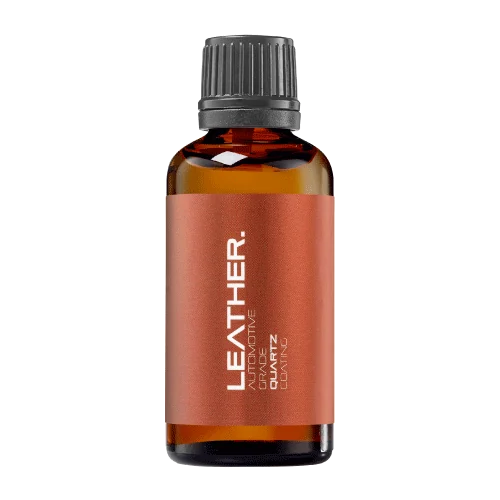 LEATHER SURFACESLEATHERDiscover NANOLAB leather protection.Application5/10Discover PLASTIC SURFACESPLASTICProtection for interior plastic surfaces.Application2/10Discover TEXTILE SURFACESFABRICExplore the latest fabric formulation.Application2/10Discover
 Spray protection, maintenance and upcoming wash products.
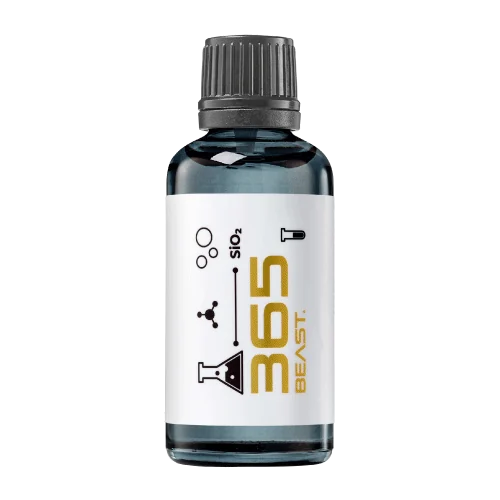 MAINTENANCEBEAST 365Explore the BEAST maintenance range.Application4/10Discover
 Next in washing, cleaning & care.
Ceramic protection for boats and yachts.
An easy-to-apply ceramic coating with an established track record on boats and yachts around the world.
Results vary with surface preparation, exposure and maintenance.
Read 50 MARINE guides →Explore MARINE Application4/10Protection for the surfaces you live with.
A look at what we’re developing.
The next flagship of the MATRIX series.
From cutting and one-step correction to final finishing.
A wider range for professional vehicle care.
Taking shape alongside BEAST & MATRIX.
Practical guidance for your next coating project.
Explore all guides →
Keep translated coating instructions aligned with the approved product, sequence and safety information before distributing them to a new market.
Updated · NANOLAB Knowledge

Translated ceramic coating instructions need a technical review as well as fluent language. A small change to a timing condition, surface description or sequence can change how the product is used. Begin with one approved source version and keep the translated version tied to it.
Identify the product, formula or document revision, intended user and approved surfaces. Resolve ambiguous wording before translation. A translator should not have to guess whether “dry” means dry to the touch, ready for the next step or fully cured.
The curing stages guide illustrates why distinct process milestones need distinct wording. Keep units, conditions and exceptions attached to the instruction they qualify.
Have a competent reviewer compare the translation against the approved source. Pay particular attention to preparation, application area, levelling, waiting periods, water exposure and storage. Review technical and safety documents through the appropriate process for the market; they should not be casually rewritten as marketing copy.
Use a glossary for recurring product and process terms. A consistent translation of “base coat” is more useful than several elegant alternatives that may suggest different products.
Ask the reader to explain the sequence using the actual pack. Where practical, observe a supervised trial within the approved conditions. Record questions and misunderstandings. This checks whether the instructions work in use, not merely whether each sentence is grammatically correct.
Keep any changes in a review log and update all affected formats together: printed insert, downloadable guide and product page. Do not leave an older online version as the easiest document to find.
When the source changes, identify every translation that needs review. Record the approved language, version and release date with the product specification. Distributors should know which version belongs to the stock they hold.
Discuss product-specific wording with NANOLAB and use installer feedback to identify recurring language problems. A good translation preserves the decision the user needs to make at each step.
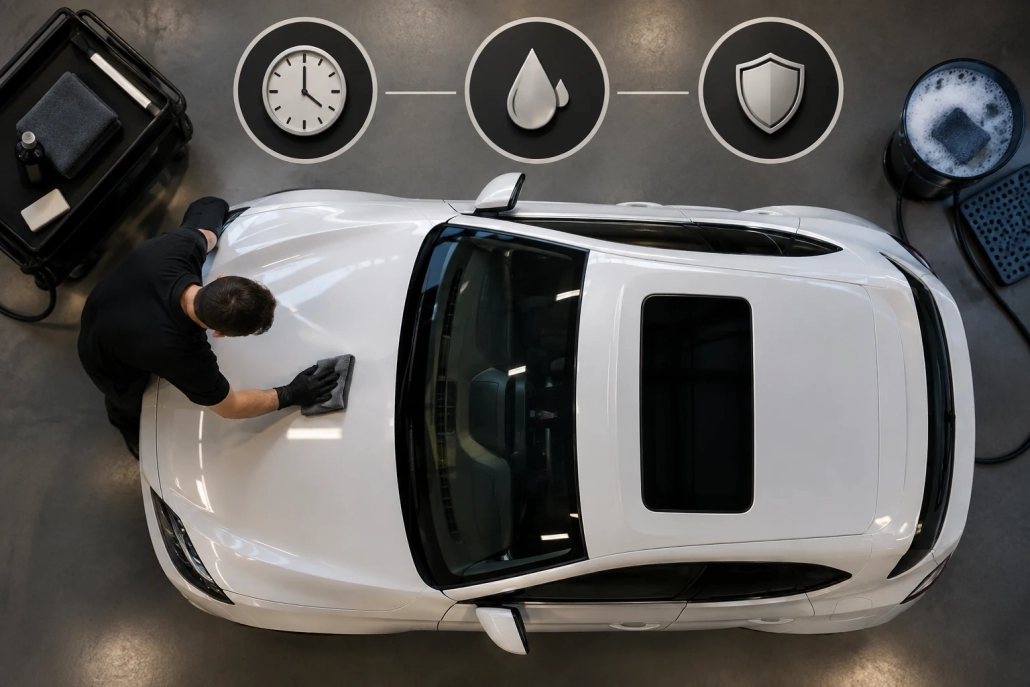
Separate the main curing milestones and use the exact NANOLAB product schedule instead of applying one universal waiting period.

Define the approved coating, pack, documents and acceptance references in one specification that supports accurate repeat orders.
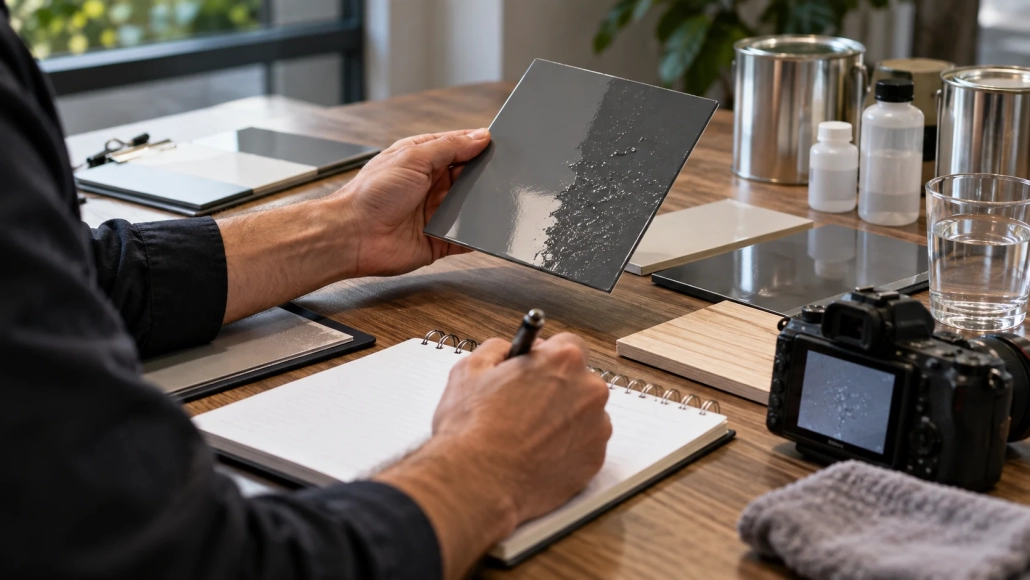
Turn installer comments into useful coating feedback with product identity, conditions, specific observations and a clear next action.

 Using QR Instructions on Ceramic Coating Packaging