
IN DEVELOPMENT / MATRIX SERIES
MATRIX ELITE P7020
The next flagship of the MATRIX series.
75%Solids content
Specialist chemistry. Expert application.
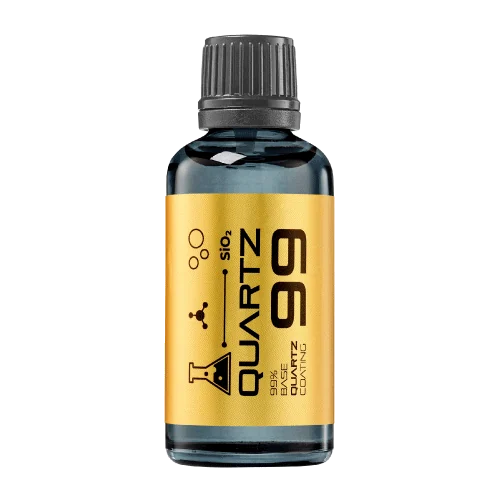 QUARTZ99 / CERAMIC BASE COAT
The foundation of your coating system.
A layerable quartz base coat designed for mechanical protection. Pair it with a suitable top coat to create the final finish.
For application by NANOLAB certified installers only.
Extended working time. A coating for the way you work.
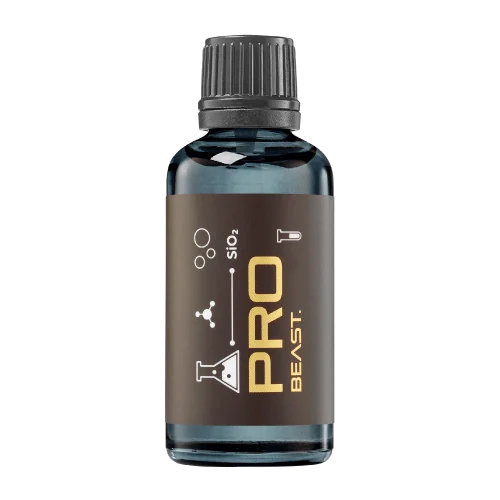
 P5012MATRIX PRORefined protection for glossy finishes.Application1/10Discover P503GMATRIX GRAPHENEVersatile protection for gloss and matte finishes.Application1/10Discover P303MATRIX LITEFor efficient, high-volume detailing.Application1/10Discover
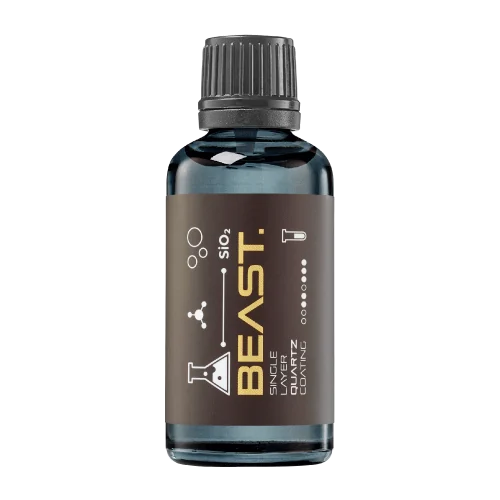
 Explore the BEAST family of ceramic coatings.
Find the coating for each exterior surface.
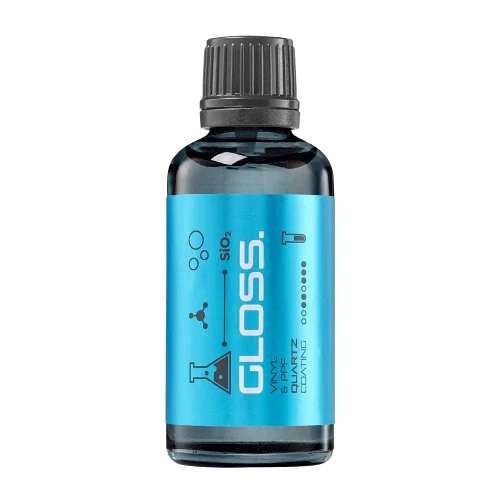 PPF & VINYLGLOSSProtection for glossy films and wraps.Application3/10Discover
 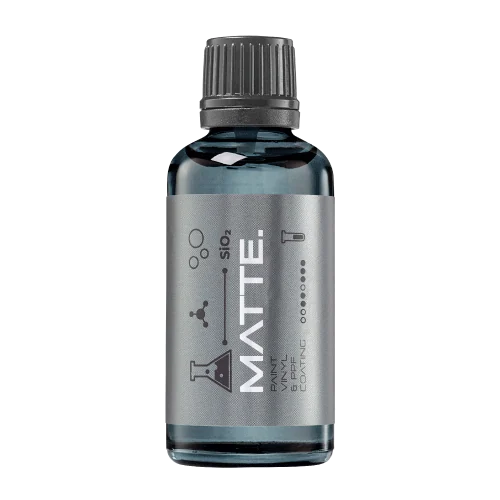 MATTE & SATINMATTEProtection that respects the finish.Application3/10Discover
 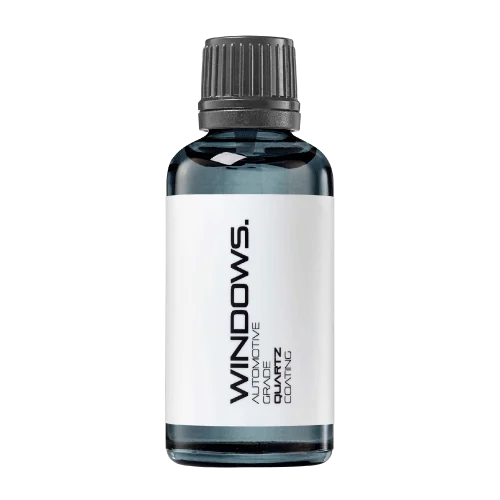 GLASSWINDOWSExplore dedicated glass protection.Application3/10Discover
 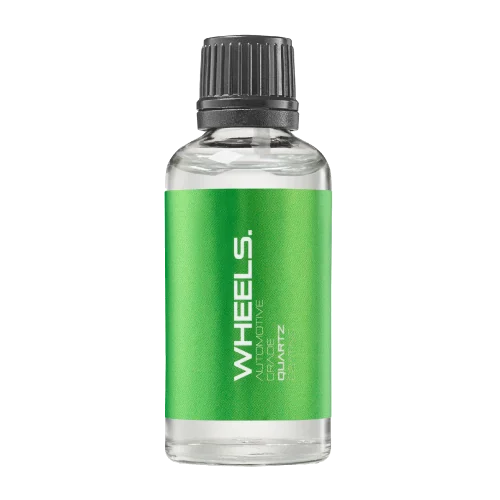 WHEEL PROTECTIONWHEELSA dedicated coating for your wheels.Application2/10Discover
 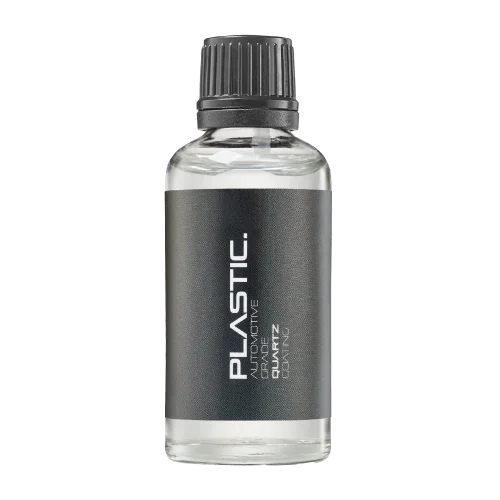 TRIM PROTECTIONPLASTICProtection for plastic surfaces.Application2/10Discover
 Dedicated care for the surfaces inside.
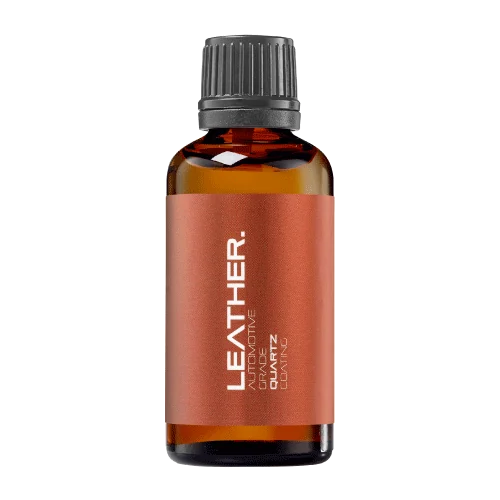 LEATHER SURFACESLEATHERDiscover NANOLAB leather protection.Application5/10Discover PLASTIC SURFACESPLASTICProtection for interior plastic surfaces.Application2/10Discover TEXTILE SURFACESFABRICExplore the latest fabric formulation.Application2/10Discover
 Spray protection, maintenance and upcoming wash products.
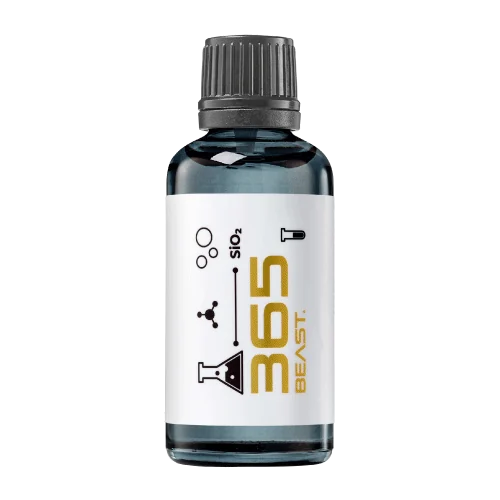 MAINTENANCEBEAST 365Explore the BEAST maintenance range.Application4/10Discover
 Next in washing, cleaning & care.
Ceramic protection for boats and yachts.
An easy-to-apply ceramic coating with an established track record on boats and yachts around the world.
Results vary with surface preparation, exposure and maintenance.
Read 50 MARINE guides →Explore MARINE Application4/10Protection for the surfaces you live with.
A look at what we’re developing.
The next flagship of the MATRIX series.
From cutting and one-step correction to final finishing.
A wider range for professional vehicle care.
Taking shape alongside BEAST & MATRIX.
Practical guidance for your next coating project.
Explore all guides →
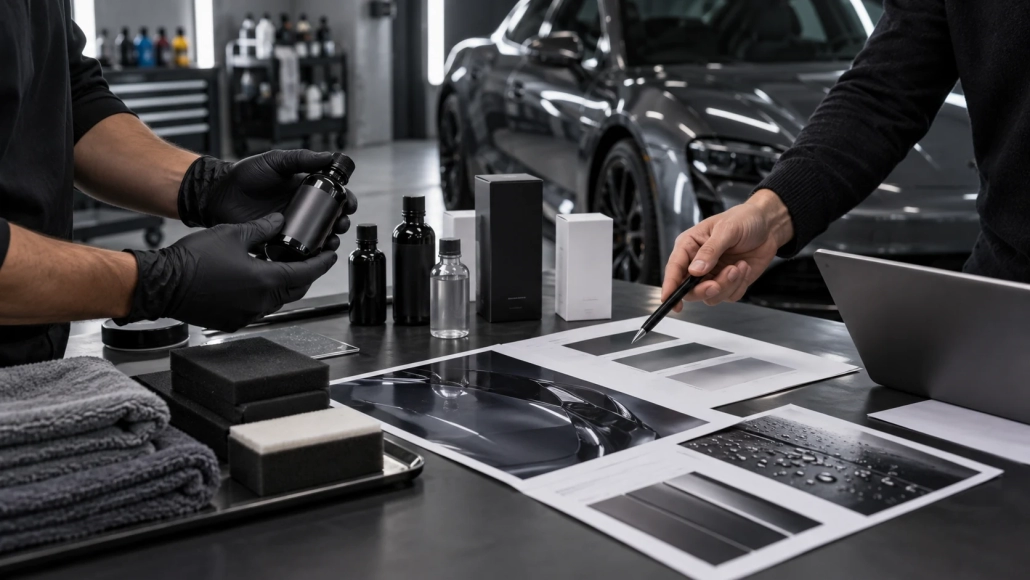
Build a coating kit around the approved application process, with compatible tools, clear instructions and a controlled packing list.
Updated · NANOLAB Knowledge
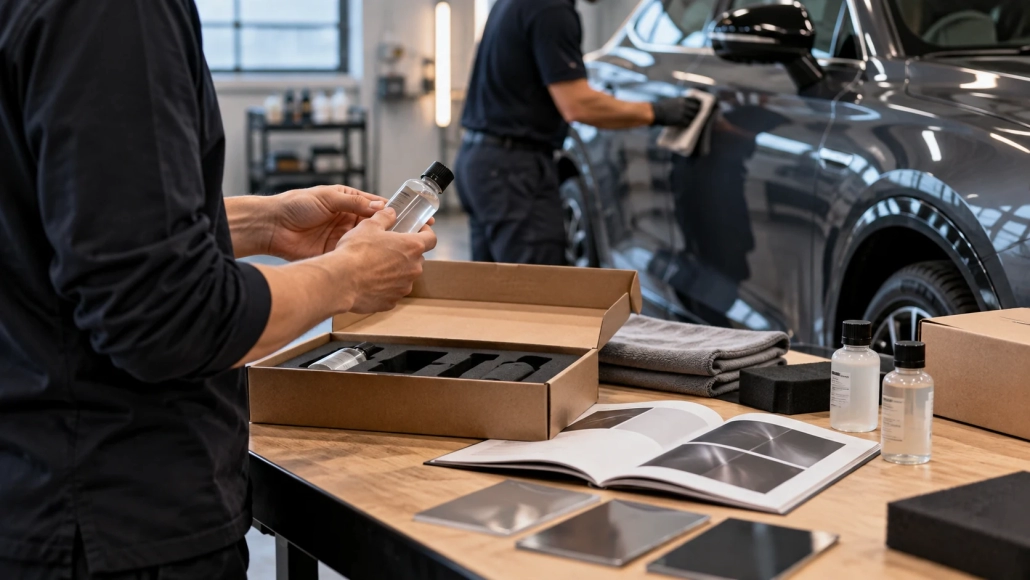
A ceramic coating kit should help the intended user complete the documented process. Adding more accessories does not automatically make it more useful. Start with the formula’s application requirements and decide which items belong in the box, which remain workshop equipment and which need to be purchased separately.
List the coating, suitable applicator, any supplied cloths, instructions and packaging. Specify quantities and references rather than descriptions such as “premium towel”. If preparation products are included, confirm that they suit the coating and the intended surfaces.
Consider the user’s starting point. A professional installer may already have inspection lighting and preparation equipment. A retail buyer may assume everything needed is included unless exclusions are clear. The retail or professional positioning guide helps define that boundary.
The bottle, closure, applicator and cloths need to work together. Review whether the applicator fits the documented method and whether the cloth quantity supports the intended job. Do not infer that one bottle necessarily covers one vehicle; consumption depends on the product and application scope.
Test the complete proposed kit in a pilot installation. Record items that were missing, difficult to identify or unnecessarily duplicated. This is often more revealing than inspecting components individually on a desk.
Create a controlled component list with product references, quantities and the current instruction version. Include a final check that can detect an omitted item or an incorrect formula. Similar-looking bottles should be identified by more than colour alone.
A practical packing trial uses the actual box and components. Check that items remain secure and that the user can remove them without damaging the instructions or opening the liquid container accidentally.
State what is supplied and what the user must provide. Avoid showing extra products in a listing photograph unless their role is clearly explained. If protective equipment is not included, the product’s safety instructions still apply and should be available before use.
Discuss kit supply scope with NANOLAB, and connect the final list to the product specification sheet. The approved kit is the complete physical pack, not merely the liquid inside it.
Match a private label coating offer to the user's skills, working conditions, instructions and support expectations before launch.
Validate a private label coating offer through representative pilot installations that test instructions, packaging and customer handover.

Define the approved coating, pack, documents and acceptance references in one specification that supports accurate repeat orders.

 Reviewing Bottle Closures for a Ceramic Coating Pack