
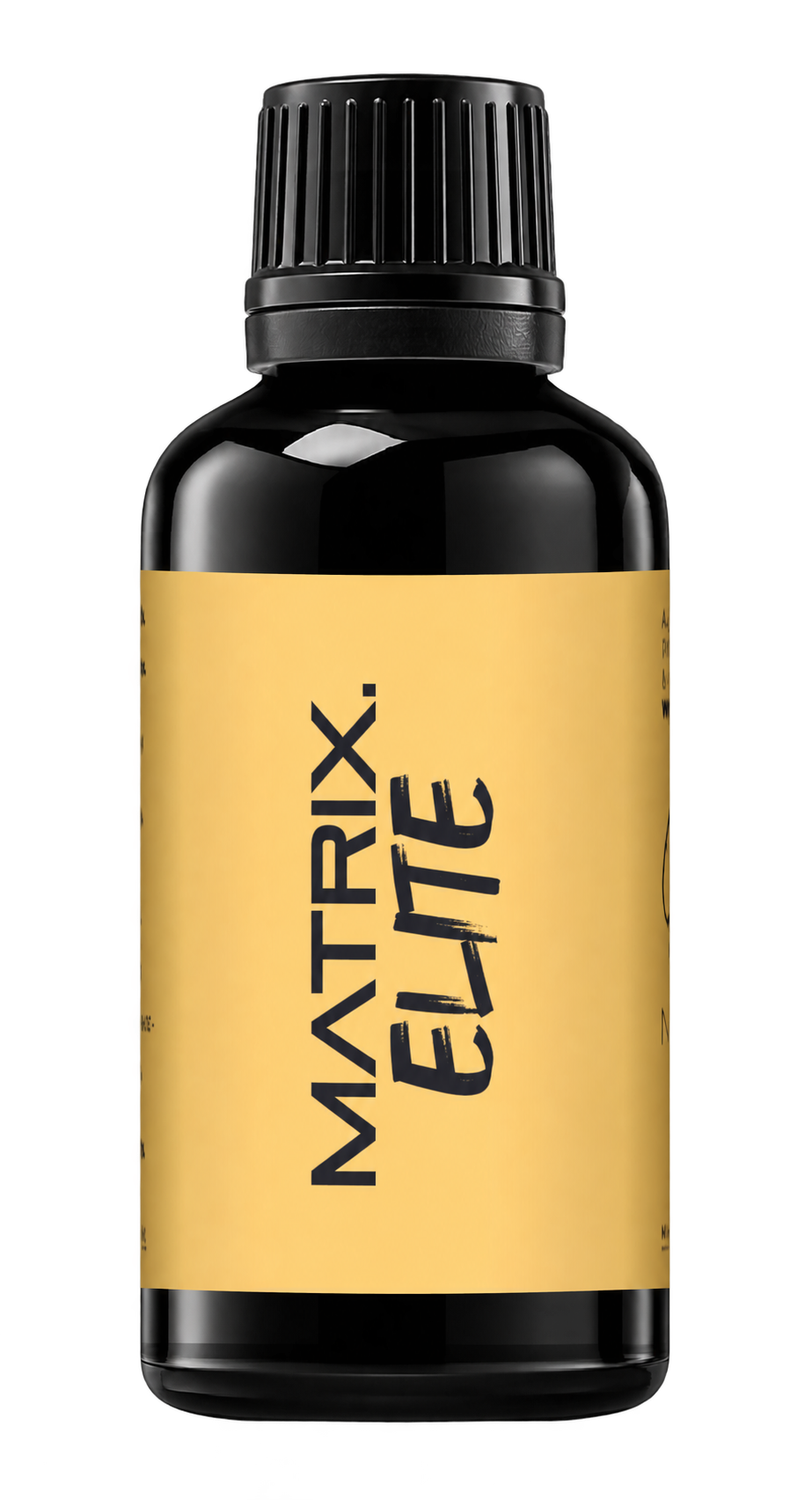
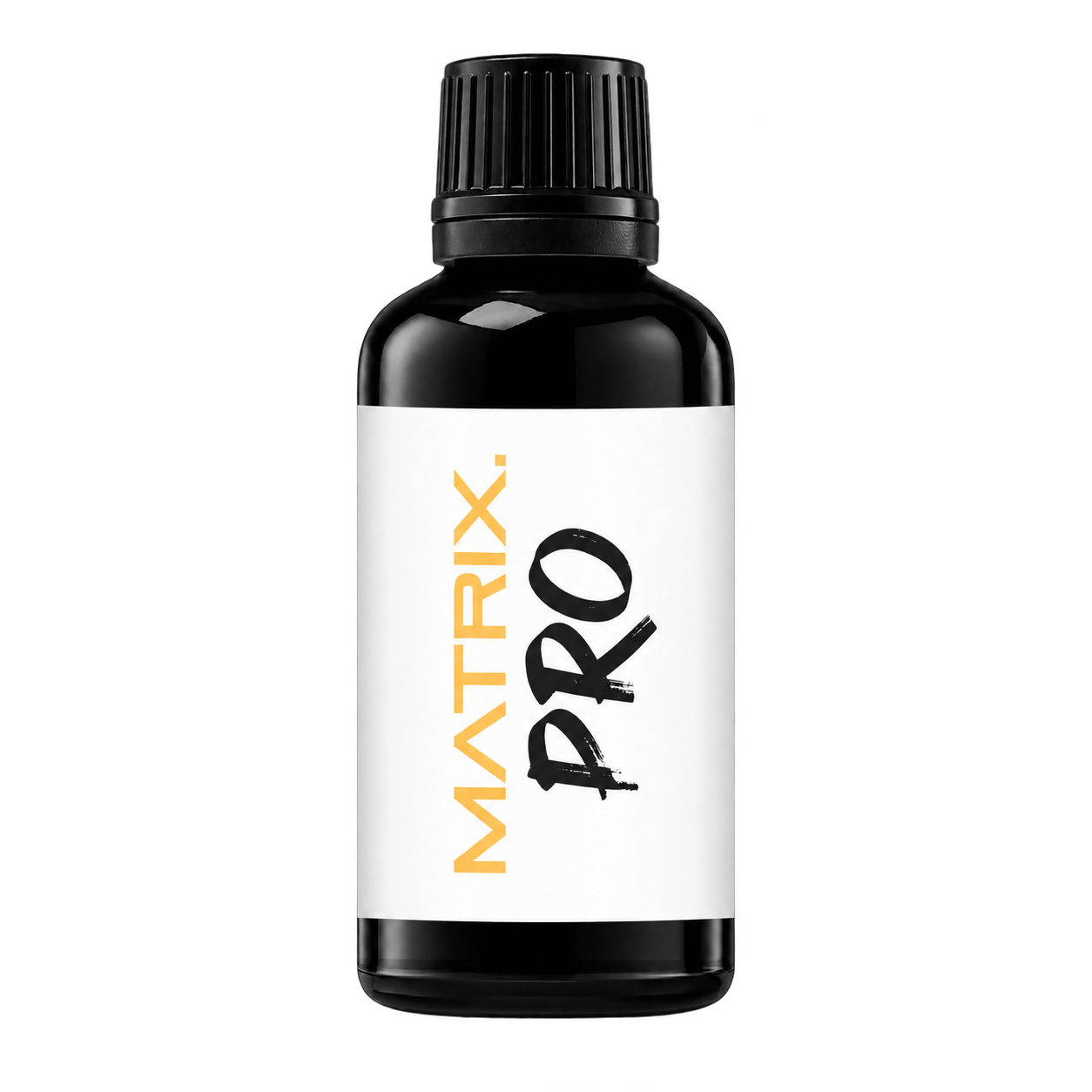
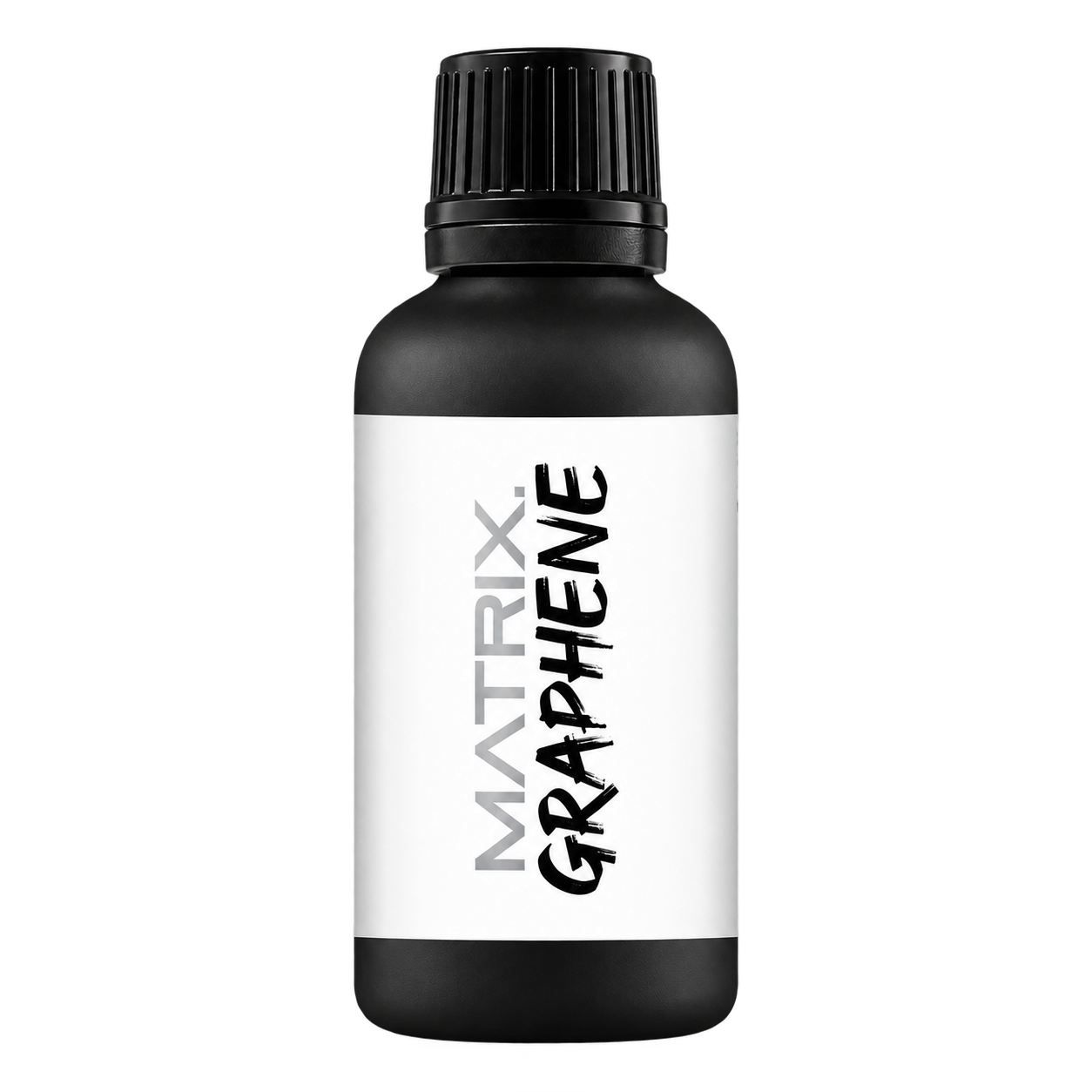
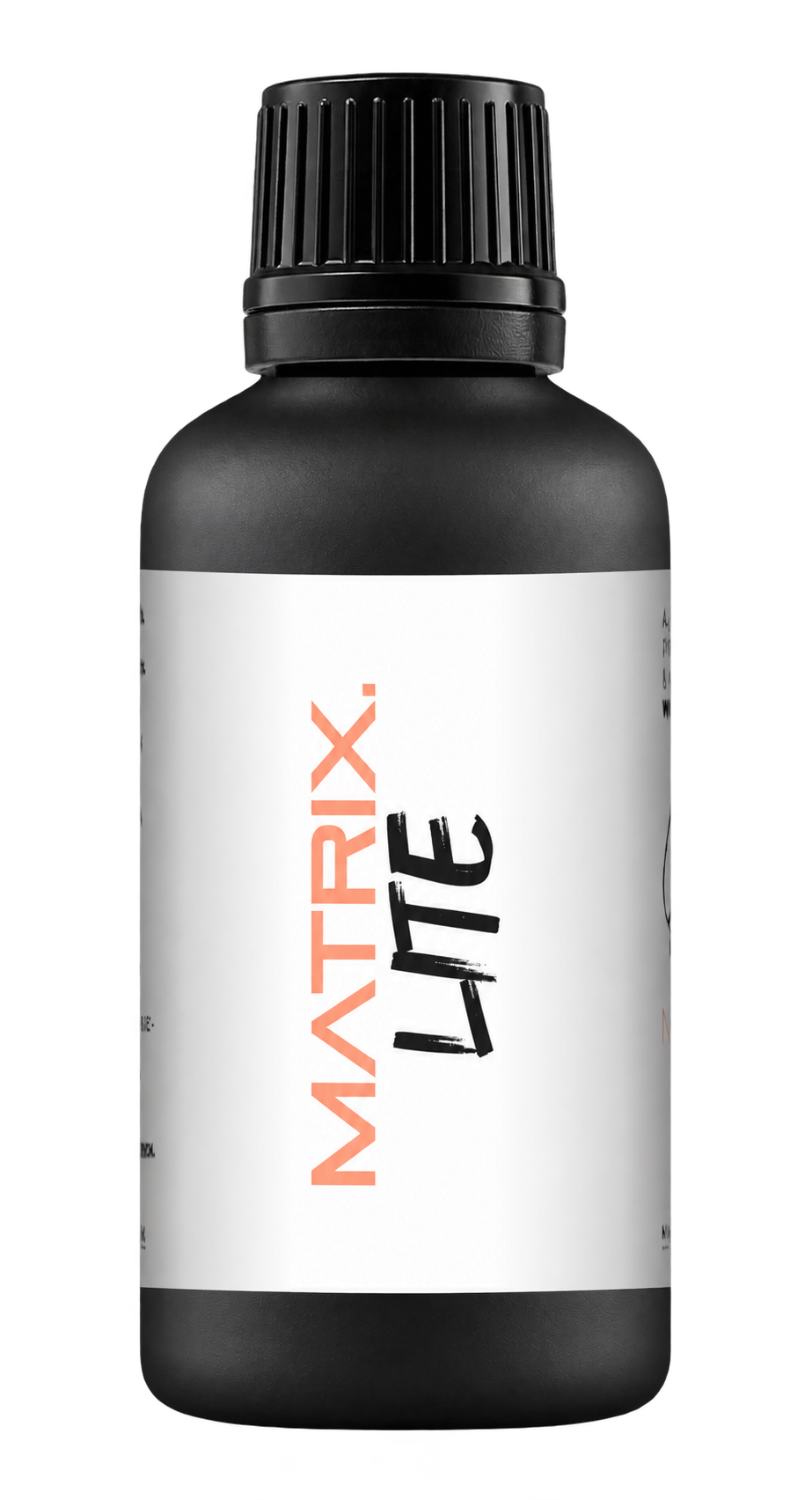
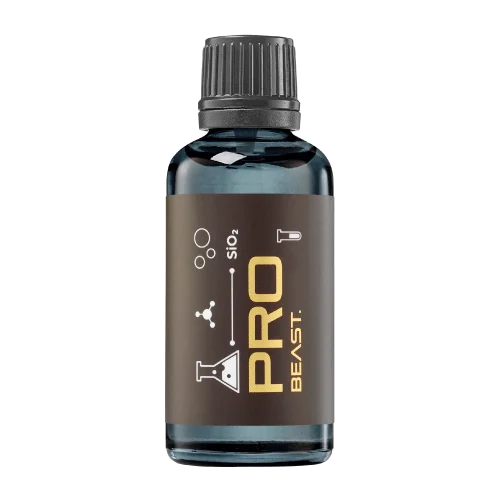
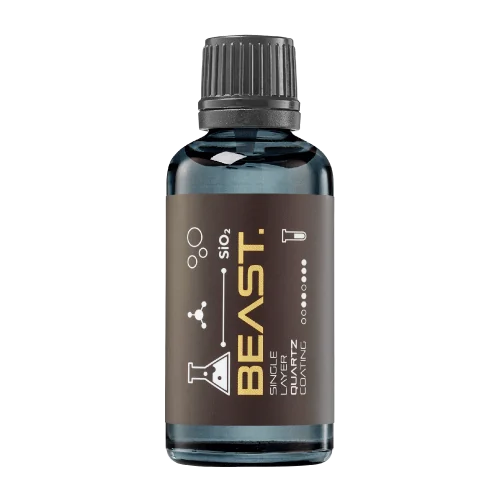
A full polishing range.
From cutting and one-step correction to final finishing.
Specialist chemistry. Expert application.
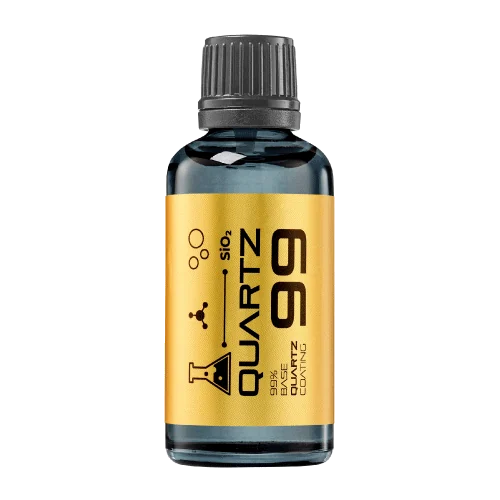 QUARTZ99 / CERAMIC BASE COAT
The foundation of your coating system.
A layerable quartz base coat designed for mechanical protection. Pair it with a suitable top coat to create the final finish.
For application by NANOLAB certified installers only.
Four formulas. Extended working time. Find the coating for your finish.
Explore the BEAST family of ceramic coatings.
Find the coating for each exterior surface.
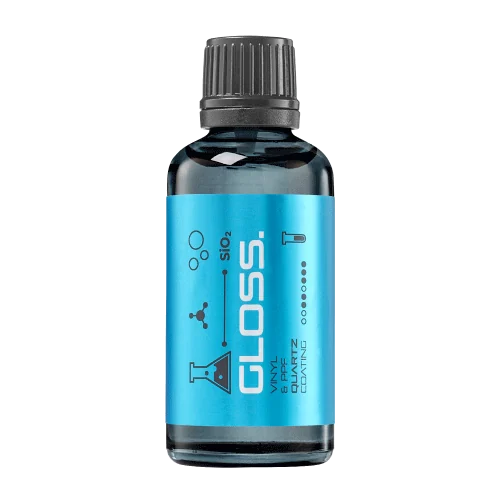 PPF & VINYLGLOSSProtection for glossy films and wraps.Discover
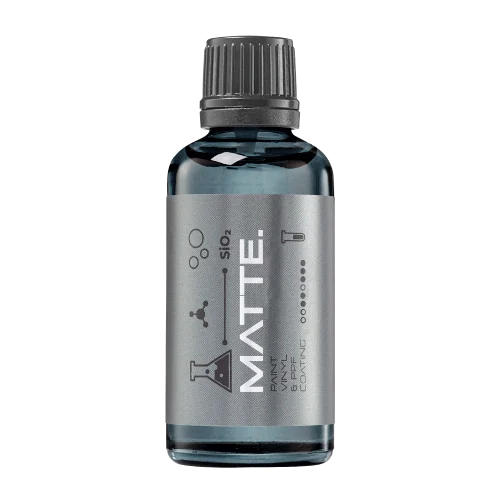 MATTE & SATINMATTEProtection that respects the finish.Discover
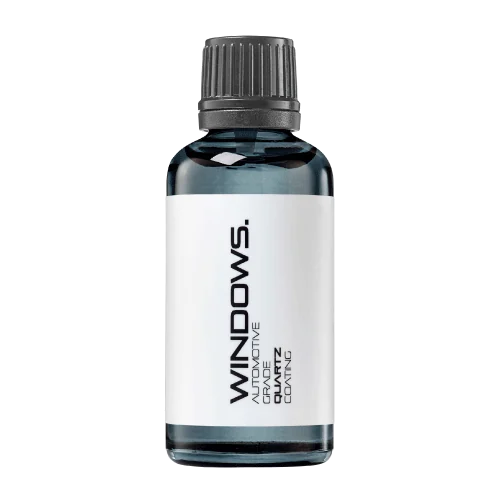 GLASSWINDOWSExplore dedicated glass protection.Discover
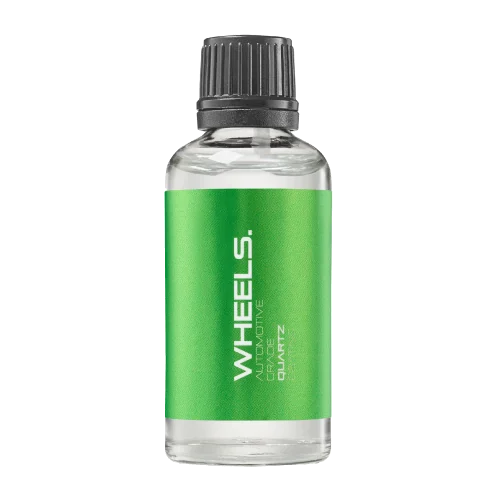 WHEEL PROTECTIONWHEELSA dedicated coating for your wheels.Discover
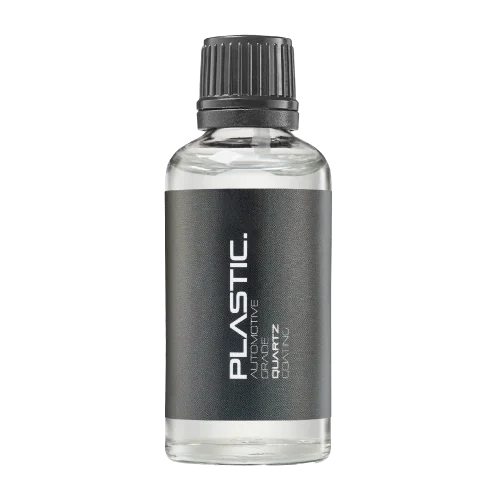 TRIM PROTECTIONPLASTICProtection for plastic surfaces.Discover
Dedicated care for the surfaces inside.
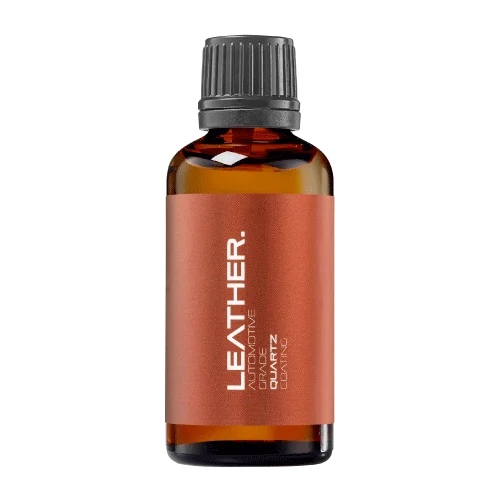 LEATHER SURFACESLEATHERDiscover NANOLAB leather protection.Discover PLASTIC SURFACESPLASTICProtection for interior plastic surfaces.Discover TEXTILE SURFACESFABRICExplore the latest fabric formulation.Discover
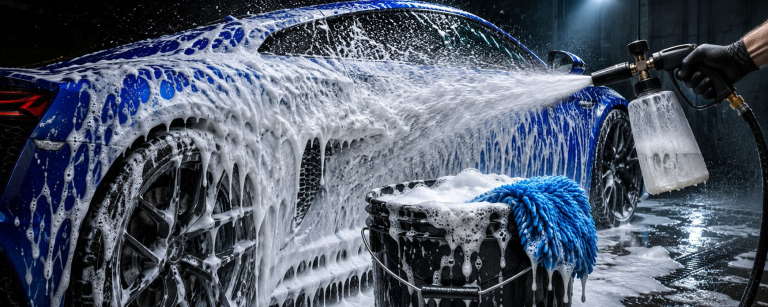 Preview all six shampoos →
Spray protection, maintenance and upcoming wash products.
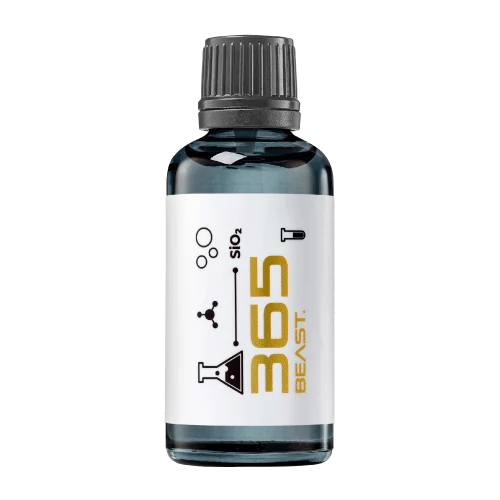 MAINTENANCEBEAST 365Explore the BEAST maintenance range.Discover
Next in washing, cleaning & care.
Ceramic protection for boats and yachts.
An easy-to-apply ceramic coating with an established track record on boats and yachts around the world.
Results vary with surface preparation, exposure and maintenance.
Read 50 MARINE guides →Explore MARINEProtection for the surfaces you live with.
A look at what we’re developing.
From cutting and one-step correction to final finishing.
A wider range for professional vehicle care.
Taking shape alongside BEAST & MATRIX.
Practical guidance for your next coating project.
Explore all guides →
Design a product-specific freeze–thaw evaluation with defined exposure, recovery conditions, control samples and package and performance checks.
Updated · NANOLAB Knowledge
A freeze–thaw evaluation asks whether a water-based car-care product still meets agreed requirements after defined cold exposure and recovery. A bottle returning to room temperature or looking uniform again is not, by itself, evidence that the product has recovered fully.
A planned laboratory study starts with documented samples and a controlled exposure. An unexpected cold shipment begins with incomplete history and a stock-disposition question. Do not recreate a damaged delivery by improvising cycles and then release the shipment because a small sample looks acceptable.
ASTM D2243-20 addresses freeze–thaw effects on viscosity and visual film properties of water-borne coatings. Its published scope is relevant context, but it does not automatically validate every shampoo, emulsion or spray product. Any claim of testing to that standard requires the complete applicable method and a laboratory that follows it.
| Study decision | Record before exposure |
|---|---|
| Test material | Formula revision, batch, age and initial condition |
| Package | Bottle, closure, liner, fill volume and orientation |
| Cold exposure | Defined temperature programme, duration and cycle count |
| Recovery | Thawing conditions, equilibration and permitted mixing |
| Comparison | Unexposed controls with matched preparation and age |
| Acceptance | Predefined physical, dispensing and application requirements |
Select conditions from the product specification and the development or distribution question. This guide intentionally gives no universal freezer temperature, cycle count or reheating instruction. Those settings cannot be transferred safely from an unrelated formula.
After the defined recovery period, record persistent layers, particles, colour changes and other relevant appearance differences. Measure viscosity using the same temperature, geometry and timing as the control. Check the package for leakage, distortion and closure problems, then assess dispensing using the intended sprayer, cap or insert.
For an application product, include a controlled test of the intended finish or cleaning task. Preserve photographs and measurements before any permitted re-mixing, and distinguish the as-recovered condition from the condition after that step.
Consider two fictional samples that look uniform after thawing. Sample A also matches its control in the agreed viscosity and dispensing checks. Sample B leaves persistent particles in a defined inspection and intermittently blocks the intended sprayer. Appearance at the bottle surface would have missed the difference.
Sample A has passed only the checks and exposure actually completed. Sample B needs investigation against the predetermined criteria; adding water, filtering it or replacing the sprayer would create a different test and could conceal the original failure.
Retain the complete exposure history and the laboratory’s conclusion with the product revision. Use it when reviewing transport controls and customer instructions, without broadening the approved storage range beyond the evidence. If actual stock has experienced an excursion, follow a documented temperature-excursion investigation and obtain the responsible supplier’s disposition.
Scope reference: ASTM D2243-20: Freeze-Thaw Resistance of Water-Borne Coatings. This article is a planning checklist, not a reproduction of the standard or a claim that any NANOLAB product has passed it.