
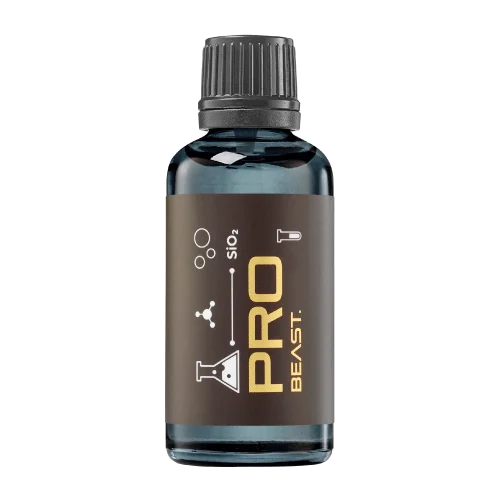
A full polishing range.
From cutting and one-step correction to final finishing.
Specialist chemistry. Expert application.
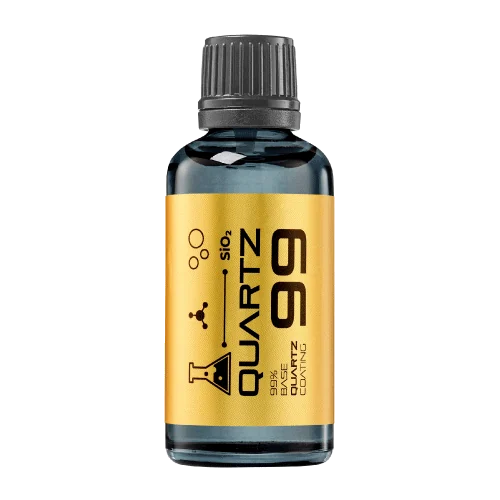 QUARTZ99 / CERAMIC BASE COAT
The foundation of your coating system.
A layerable quartz base coat designed for mechanical protection. Pair it with a suitable top coat to create the final finish.
For application by NANOLAB certified installers only.
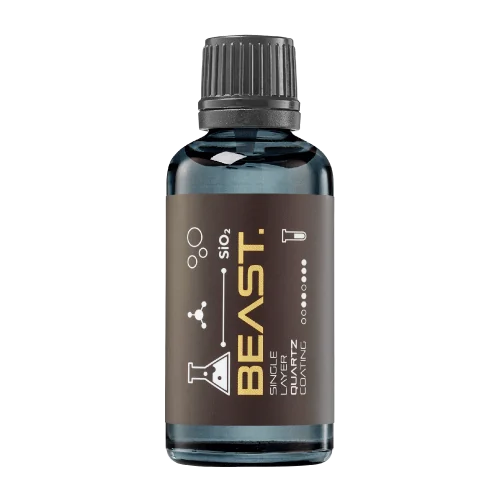
Four formulas. Extended working time. Find the coating for your finish.
Explore the BEAST family of ceramic coatings.
Find the coating for each exterior surface.
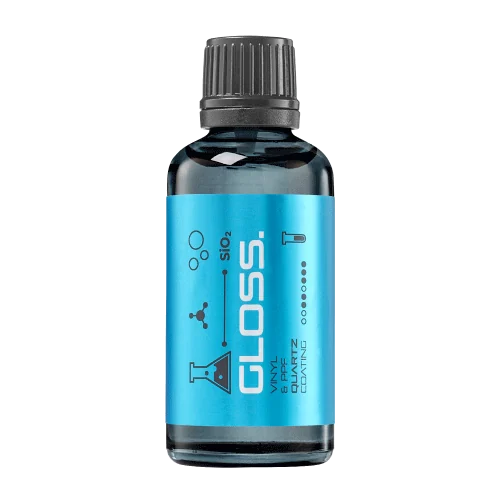 PPF & VINYLGLOSSProtection for glossy films and wraps.Discover
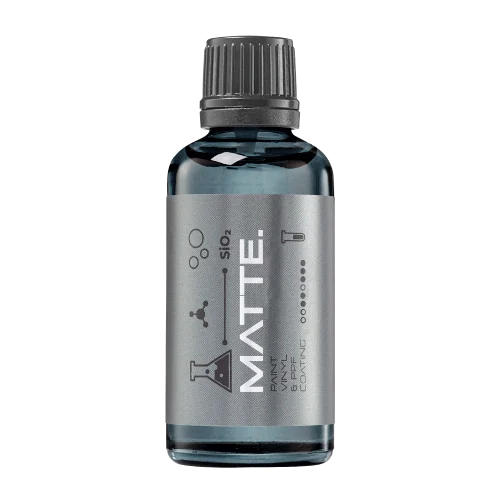 MATTE & SATINMATTEProtection that respects the finish.Discover
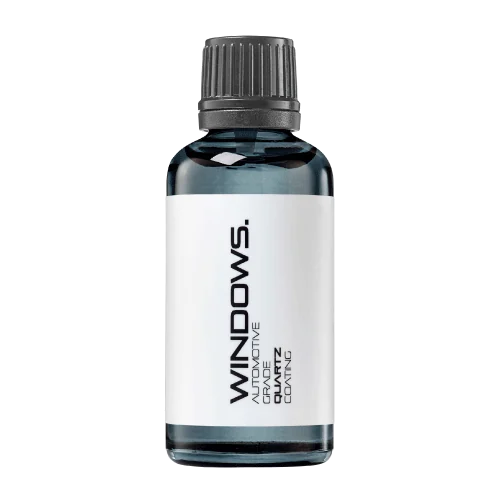 GLASSWINDOWSExplore dedicated glass protection.Discover
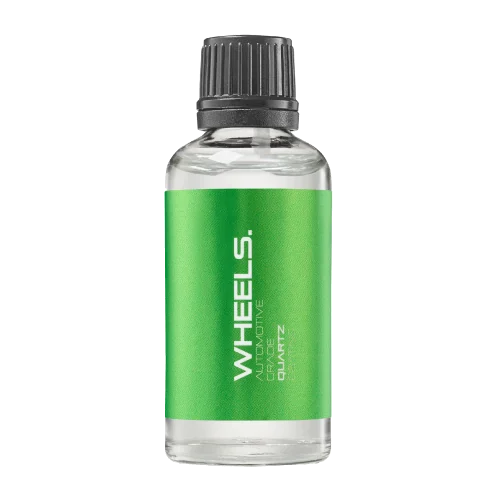 WHEEL PROTECTIONWHEELSA dedicated coating for your wheels.Discover
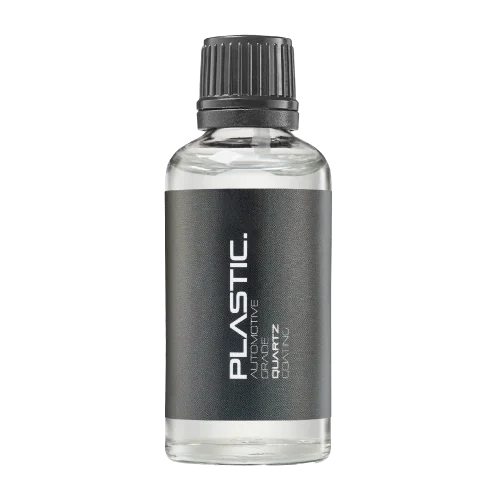 TRIM PROTECTIONPLASTICProtection for plastic surfaces.Discover
Dedicated care for the surfaces inside.
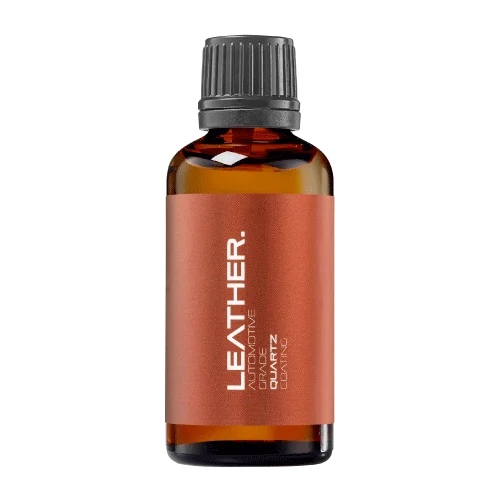 LEATHER SURFACESLEATHERDiscover NANOLAB leather protection.Discover PLASTIC SURFACESPLASTICProtection for interior plastic surfaces.Discover TEXTILE SURFACESFABRICExplore the latest fabric formulation.Discover
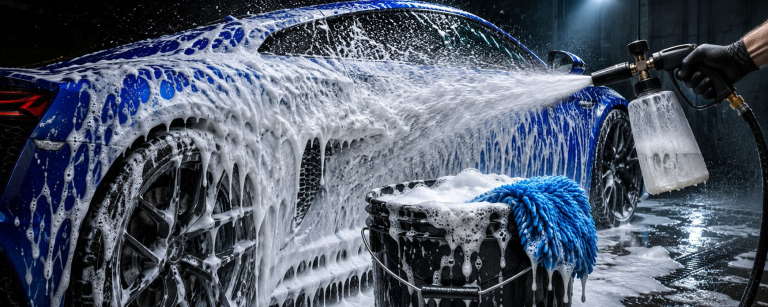 Preview all six shampoos →
Spray protection, maintenance and upcoming wash products.
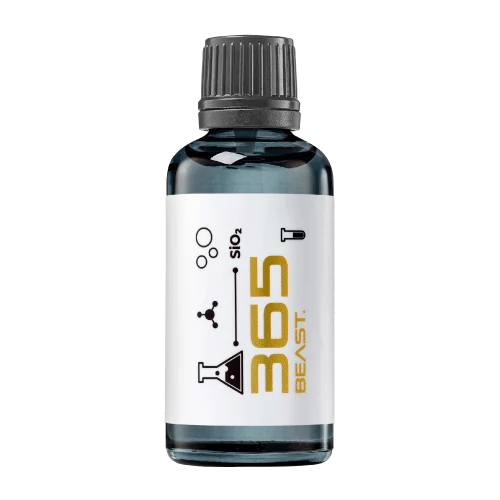 MAINTENANCEBEAST 365Explore the BEAST maintenance range.Discover
Next in washing, cleaning & care.
Ceramic protection for boats and yachts.
An easy-to-apply ceramic coating with an established track record on boats and yachts around the world.
Results vary with surface preparation, exposure and maintenance.
Read 50 MARINE guides →Explore MARINEProtection for the surfaces you live with.
A look at what we’re developing.
From cutting and one-step correction to final finishing.
A wider range for professional vehicle care.
Taking shape alongside BEAST & MATRIX.
Practical guidance for your next coating project.
Explore all guides →
Use HLB as one input when screening an emulsion for a car-care product. Separate blend choice, concentration, processing and finished-product performance.
Updated · NANOLAB Knowledge
Hydrophile–lipophile balance, or HLB, is a selection aid for emulsifiers. It can help organize a laboratory screen for an emulsion-based car-care product, but a matching number does not prove stability, cleaning ability or compatibility with vehicle surfaces.
Identify the intended continuous phase, the complete oil-phase composition and the function of the product. An emulsion dressing, a polishing product and a clear shampoo are different development problems. A clear shampoo may not require the same approach as a deliberately milky emulsion.
Croda describes HLB as a tool originally developed to support nonionic surfactant selection. Its guidance separates the application’s HLB requirement, surfactant chemistry and concentration. Those are useful independent questions: two blends with a similar nominal HLB can still behave differently because their chemistry and formulation context differ.
As a planning example, choose one supplier-supported emulsifier pair and three blend positions spanning an initial candidate region. Compare each at two technically justified total emulsifier levels. This creates six candidates. Add the current reference formula if one exists, and decide which preparations need independent replication.
| Screening element | Keep explicit | Reason |
|---|---|---|
| Emulsifier blend | Ingredient grades and blend mass fractions | A trade name alone may conceal a changed supplied grade |
| Total emulsifier level | Concentration basis and supplied versus active material | Changing blend and dose together obscures their effects |
| Oil phase | Composition and proportion | A changed oil phase creates a new comparison |
| Manufacturing path | Addition order, mixing and temperature history | The same ingredient list can produce different outcomes |
| Evaluation | Observation time and predefined endpoints | Immediate appearance is only one stage |
The six-candidate example is not a universal recipe or a minimum sample count. Qualified development work must choose feasible levels and a manufacturing method appropriate for the actual ingredients.
Record separation, droplet-size information where the method is suitable, viscosity under a defined procedure, dispensing and application uniformity. Then evaluate the product’s intended task. For a dressing, an even finish and acceptable handling may matter; for a polishing product, the complete abrasive-and-pad system needs its own test.
Do not select the thickest sample by default. A sample that looks attractive in a jar may dispense poorly or leave unacceptable residue. Keep the storage-stability programme connected to practical application checks.
If every candidate separates similarly, review whether the selected chemistry, process or observation method addresses the actual problem. Adding more emulsifier without that review may change foaming, rinsing or finish without resolving the cause. Conversely, one apparently stable sample does not define a robust production window.
Carry forward a documented candidate, its preparation method and the remaining uncertainties. Confirm performance after the final fragrance, colour, packaging and other approved components are present. For a brand owner, this record is more useful than asking a factory to hit one HLB value without a finished-product specification.
Primary guidance: Croda Industrial Specialties: Hydrophile lipophile balance. The matrix is a proposed development framework, not a Croda or NANOLAB production formula.