


A full polishing range.
From cutting and one-step correction to final finishing.
Specialist chemistry. Expert application.
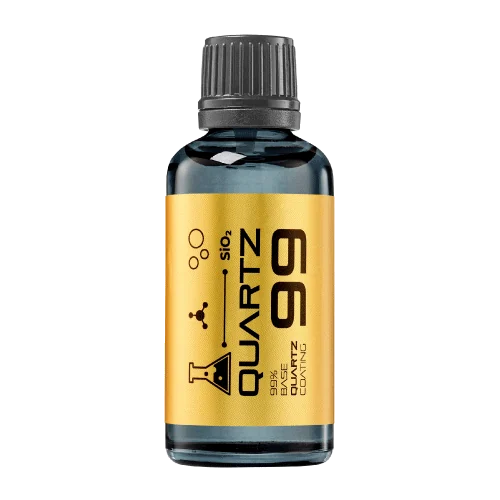 QUARTZ99 / CERAMIC BASE COAT
The foundation of your coating system.
A layerable quartz base coat designed for mechanical protection. Pair it with a suitable top coat to create the final finish.
For application by NANOLAB certified installers only.
Four formulas. Extended working time. Find the coating for your finish.
Explore the BEAST family of ceramic coatings.
Find the coating for each exterior surface.
 PPF & VINYLGLOSSProtection for glossy films and wraps.Discover
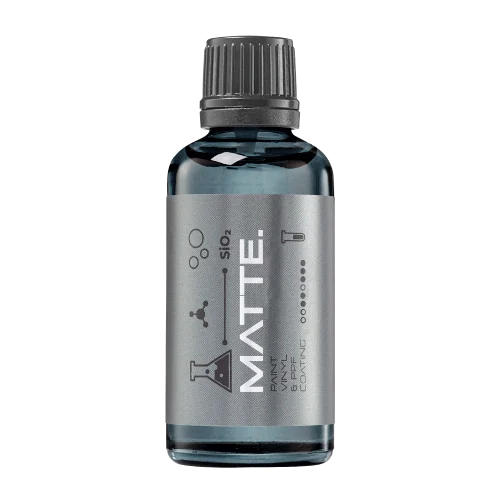 MATTE & SATINMATTEProtection that respects the finish.Discover
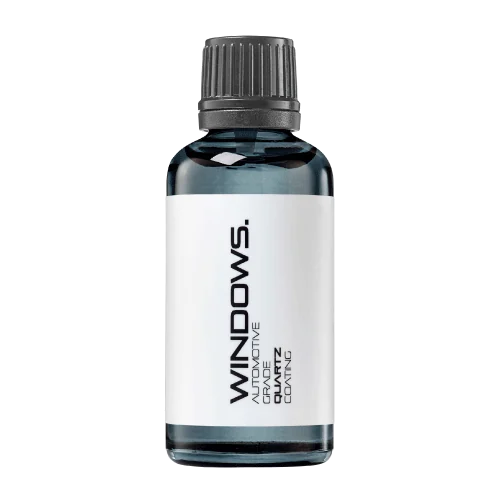 GLASSWINDOWSExplore dedicated glass protection.Discover
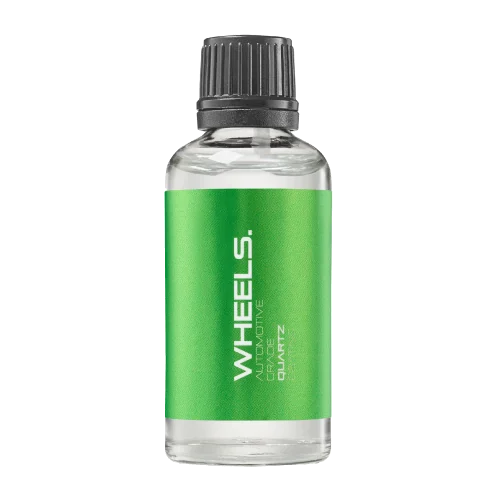 WHEEL PROTECTIONWHEELSA dedicated coating for your wheels.Discover
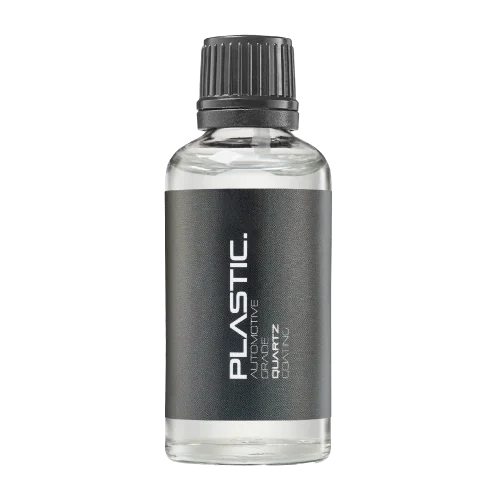 TRIM PROTECTIONPLASTICProtection for plastic surfaces.Discover
Dedicated care for the surfaces inside.
 LEATHER SURFACESLEATHERDiscover NANOLAB leather protection.Discover PLASTIC SURFACESPLASTICProtection for interior plastic surfaces.Discover TEXTILE SURFACESFABRICExplore the latest fabric formulation.Discover
 Preview all six shampoos →
Spray protection, maintenance and upcoming wash products.
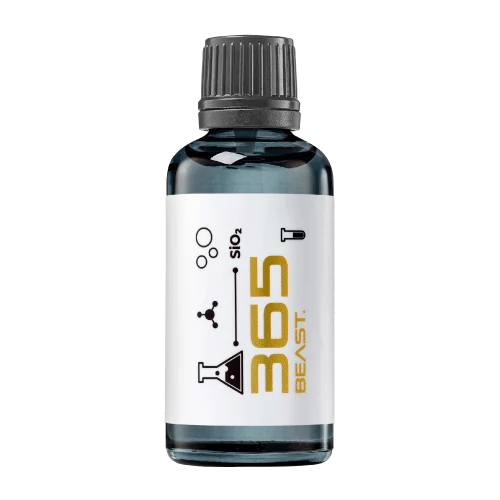 MAINTENANCEBEAST 365Explore the BEAST maintenance range.Discover
Next in washing, cleaning & care.
Ceramic protection for boats and yachts.
An easy-to-apply ceramic coating with an established track record on boats and yachts around the world.
Results vary with surface preparation, exposure and maintenance.
Read 50 MARINE guides →Explore MARINEProtection for the surfaces you live with.
A look at what we’re developing.
From cutting and one-step correction to final finishing.
A wider range for professional vehicle care.
Taking shape alongside BEAST & MATRIX.
Practical guidance for your next coating project.
Explore all guides →
Use a worked binomial example to understand zero-defect samples, detection probability and the limits of a coating-bottle inspection plan.
Updated · NANOLAB Knowledge
Finding no defects in a sample of coating bottles does not prove that the whole lot is defect-free. It means that the specified inspection found none in the items selected. A useful sampling plan states what defect is being sought, how items are selected and what decision follows each possible result.
“Check 20 bottles” is incomplete. A loose cap, a leaking seal, an incorrect label and a fill-mass error are different characteristics with different inspection methods. The sample must represent the relevant lot, and a test must be capable of detecting the defect it claims to assess.
NIST’s treatment of acceptance sampling uses the sample size n, the acceptance number c and an operating-characteristic curve. For a large lot with approximately independent random sampling, a binomial model can describe the probability of acceptance. A zero-acceptance-number example sets c to zero; it does not set the lot’s actual defect rate to zero.
Assume, purely for illustration, that 5% of items have a defined defect, each sampled item has the same defect probability, and inspection detects every such defect. The probability of finding no defects in n independent observations is (1 − 0.05)n. The chance of detecting at least one is therefore 1 − 0.95n.
| Sample size | Chance of detecting at least one defect if p = 5% | Chance of seeing none |
|---|---|---|
| 10 | 40.1% | 59.9% |
| 20 | 64.2% | 35.8% |
| 59 | 95.2% | 4.8% |
The last row does not mean that inspecting 59 bottles gives a 95.2% probability that the lot is perfect. It describes repeated sampling performance if the assumed 5% defect rate is true. Other defect rates produce different probabilities. For a small finite lot sampled without replacement, use the appropriate finite-lot calculation instead of automatically applying this approximation.
If cap problems cluster after a particular machine adjustment, taking every sample from one convenient finished carton may miss the affected period. Define the lot boundaries and sample selection across the relevant production sequence. Record the bottle or carton identifiers so a detected issue can be traced.
Do not silently replace an inconvenient or damaged selected item with a better-looking one. If a specimen cannot be tested, document the reason and apply the predetermined replacement procedure. Inspection bias cannot be repaired by a larger spreadsheet.
A plan should specify who contains the lot, whether further inspection is required, how root-cause work proceeds and what authorizes release. Repeatedly drawing new samples until one passes defeats the meaning of the original plan.
Choose a formal plan appropriate to defect severity and contractual requirements. The illustrative calculation here is not a recommended AQL plan and does not establish that sampling is acceptable for every critical characteristic.
Use process charts to monitor production behaviour over time, and capability analysis when the question concerns a measured characteristic of a stable process. These tools answer different questions from a lot-acceptance decision.
Statistical reference: NIST: Choosing a Sampling Plan with a Given OC Curve.