






A full polishing range.
From cutting and one-step correction to final finishing.
Specialist chemistry. Expert application.
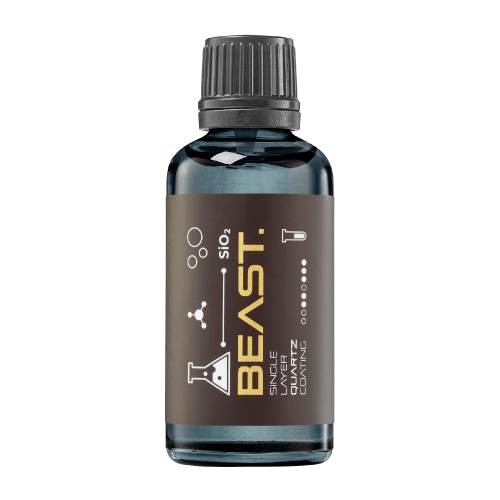
 QUARTZ99 / CERAMIC BASE COAT
The foundation of your coating system.
A layerable quartz base coat designed for mechanical protection. Pair it with a suitable top coat to create the final finish.
For application by NANOLAB certified installers only.
Four formulas. Extended working time. Find the coating for your finish.
Explore the BEAST family of ceramic coatings.
Find the coating for each exterior surface.
 PPF & VINYLGLOSSProtection for glossy films and wraps.Discover
 MATTE & SATINMATTEProtection that respects the finish.Discover
 GLASSWINDOWSExplore dedicated glass protection.Discover
 WHEEL PROTECTIONWHEELSA dedicated coating for your wheels.Discover
 TRIM PROTECTIONPLASTICProtection for plastic surfaces.Discover
Dedicated care for the surfaces inside.
 LEATHER SURFACESLEATHERDiscover NANOLAB leather protection.Discover PLASTIC SURFACESPLASTICProtection for interior plastic surfaces.Discover TEXTILE SURFACESFABRICExplore the latest fabric formulation.Discover
Spray protection, maintenance and upcoming wash products.
 MAINTENANCEBEAST 365Explore the BEAST maintenance range.Discover
Next in washing, cleaning & care.
Ceramic protection for boats and yachts.
An easy-to-apply ceramic coating with an established track record on boats and yachts around the world.
Results vary with surface preparation, exposure and maintenance.
Read 50 MARINE guides →Explore MARINEProtection for the surfaces you live with.
A look at what we’re developing.
From cutting and one-step correction to final finishing.
A wider range for professional vehicle care.
Taking shape alongside BEAST & MATRIX.
Practical guidance for your next coating project.
Explore all guides →
Reconcile a coated vehicle with its body-shop repair record so repaired, blended, polished and untouched panels receive the correct next treatment.
Updated · NANOLAB Knowledge

A coated car returns from body repair looking uniform, yet its surface history may now differ sharply between panels. Some parts were repainted, some blended or polished, and others merely washed. Connect the repair record to the coating record before deciding which areas need protection.
Ask the repairer to identify replacement parts, refinished panels, blend areas, local polishing and temporary protection. Obtain the refinishing system’s applicable care and coating guidance through the repairer. Do not substitute a fixed waiting period taken from an unrelated paint system.
An invoice reading “rear quarter repair” may not explain whether an adjacent door was blended, film was removed or a bumper was replaced. A marked vehicle diagram is often clearer than a long narrative.
| Panel status | Evidence needed | Next decision |
|---|---|---|
| Repainted or blended | Repairer confirmation and paint-system instructions | Readiness and suitable preparation |
| Polished during repair | Work location and method | Assess local protection condition |
| Film removed or replaced | Film identity and installation guidance | Use the film-specific care route |
| No work reported | Dry inspection and original record | Retain the existing care plan unless evidence changes it |
Check colour, texture, residue, polish marks and edges under suitable lighting. Record concerns for the body shop before applying a topper that could change their appearance. This is a visible surface inspection relevant to detailing, not approval of a structural or safety repair.
Different water behaviour on a repaired quarter and an original roof is not unexpected: the surfaces have different histories. Matching gloss does not show that both carry the same protection. Keep appearance, repair acceptance and coating assessment as separate lines in the record.
An illustrative job may involve a refinished quarter, a blended door and an untouched bonnet. The quote should explain the treatment proposed for each zone. Full-vehicle correction is not automatically justified, and immediate coating on the repaired area is not automatically appropriate before readiness is confirmed.
Where old and new protection meet, follow the product instructions for preparation and boundaries. Avoid extending abrasive work into sound areas merely to create a convenient rectangle. If the existing product cannot be identified, document that uncertainty and choose a supported maintenance route.
Keep the original installation date for the original work. Add a new entry for repair-related treatment, including exact surfaces, product, date and aftercare. Do not reset the claimed age of the whole vehicle’s coating or imply that an original warranty automatically covers new bodywork.
If treatment must wait, provide temporary care instructions approved for the repair and a clear follow-up condition. The customer should leave with one readable panel map, not conflicting instructions from two providers. That map helps the next technician understand what actually changed.
Discuss your surface and intended use with NANOLAB. Follow the current instructions for the exact product when planning application and care.

A replacement panel changes the vehicle's finish and protection history locally. The existing whole-vehicle record needs a specific update.
Record panel materials and finish history so each zone receives appropriate evaluation.
 Microscopy Focus Stacks for Coating Defects: Preserve the Original Frames