






A full polishing range.
From cutting and one-step correction to final finishing.
Specialist chemistry. Expert application.
 QUARTZ99 / CERAMIC BASE COAT
The foundation of your coating system.
A layerable quartz base coat designed for mechanical protection. Pair it with a suitable top coat to create the final finish.
For application by NANOLAB certified installers only.
Four formulas. Extended working time. Find the coating for your finish.
Explore the BEAST family of ceramic coatings.
Find the coating for each exterior surface.
 PPF & VINYLGLOSSProtection for glossy films and wraps.Discover
 MATTE & SATINMATTEProtection that respects the finish.Discover
 GLASSWINDOWSExplore dedicated glass protection.Discover
 WHEEL PROTECTIONWHEELSA dedicated coating for your wheels.Discover
 TRIM PROTECTIONPLASTICProtection for plastic surfaces.Discover
Dedicated care for the surfaces inside.
 LEATHER SURFACESLEATHERDiscover NANOLAB leather protection.Discover PLASTIC SURFACESPLASTICProtection for interior plastic surfaces.Discover TEXTILE SURFACESFABRICExplore the latest fabric formulation.Discover
Spray protection, maintenance and upcoming wash products.
 MAINTENANCEBEAST 365Explore the BEAST maintenance range.Discover
Next in washing, cleaning & care.
Ceramic protection for boats and yachts.
An easy-to-apply ceramic coating with an established track record on boats and yachts around the world.
Results vary with surface preparation, exposure and maintenance.
Read 50 MARINE guides →Explore MARINEProtection for the surfaces you live with.
A look at what we’re developing.
From cutting and one-step correction to final finishing.
A wider range for professional vehicle care.
Taking shape alongside BEAST & MATRIX.
Practical guidance for your next coating project.
Explore all guides →
Inspect polished paint under more than one controlled light condition to distinguish a robust finish from one that looks acceptable only under a single lamp.
Updated · NANOLAB Knowledge
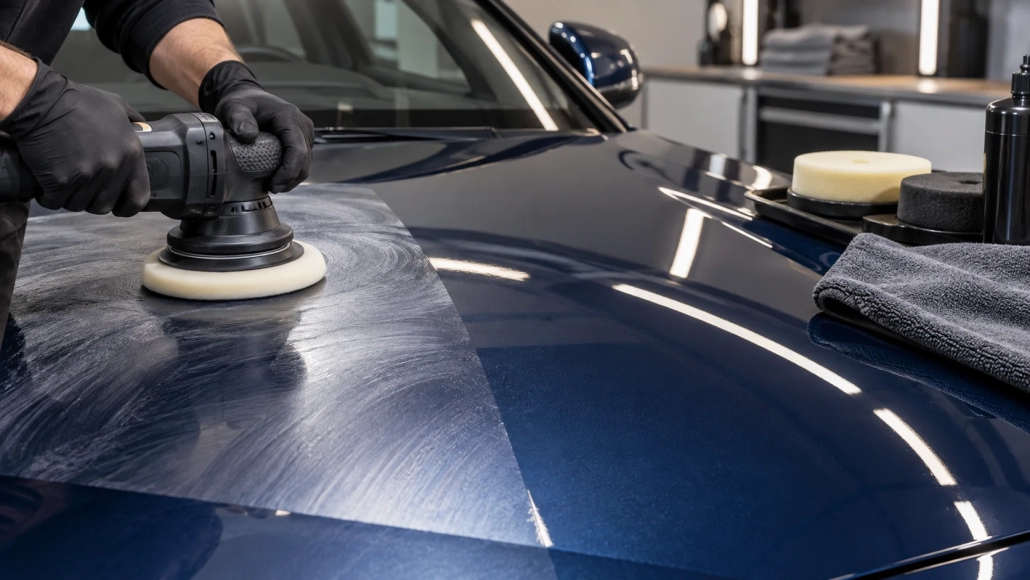
A finish that looks clean under one lamp may show haze or remaining marks under another. Differences in illumination can reveal different features, so acceptance should include the conditions relevant to delivery and use.
Use a controlled inspection light for targeted defects and a broader view for overall appearance. Where warm and cool light sources are used, keep their positions and viewing geometry documented. Colour temperature alone does not define a lamp’s full inspection performance.
Use the polishing system’s supported residue-removal procedure and inspect the surface in a consistent state. Do not compare one residue-covered area under warm light with a cleaned area under cool light.
| View | Question |
|---|---|
| Targeted reflection | Are fine marks or haze visible? |
| Broad illumination | Is the overall finish consistent? |
| Representative delivery view | Does the customer-facing result meet the agreement? |
If a feature appears in only one setup, reproduce that setup before deciding it is insignificant. Check whether the feature follows the surface or a reflection from the environment.
Use examples of acceptable and unacceptable finish where practical. Record which lighting conditions belong to the inspection method so another operator can repeat the judgement.
Multiple views should improve diagnosis, not create an endless search for any possible mark. The goal is the agreed finish under defined relevant conditions, with remaining limitations documented rather than hidden by selecting the most flattering lamp.
Ask NANOLAB about your surface and intended use. For application and care, use the current instructions for the exact product.
Choose a polishing process by testing defect removal, finishing quality and clear-coat preservation rather than counting steps alone.
Judge a car polish by clean reflections, remaining defects and consistent lighting, rather than relying only on shine, slickness or one photograph.
Include seam and trim cleanup when comparing compounds so a fast cutting stage does not hide a slower complete paint-correction process.
 Compound Residue in Seams: Include Cleanup in the Process Comparison