






A full polishing range.
From cutting and one-step correction to final finishing.
Specialist chemistry. Expert application.
 QUARTZ99 / CERAMIC BASE COAT
The foundation of your coating system.
A layerable quartz base coat designed for mechanical protection. Pair it with a suitable top coat to create the final finish.
For application by NANOLAB certified installers only.
Four formulas. Extended working time. Find the coating for your finish.
Explore the BEAST family of ceramic coatings.
Find the coating for each exterior surface.
 PPF & VINYLGLOSSProtection for glossy films and wraps.Discover
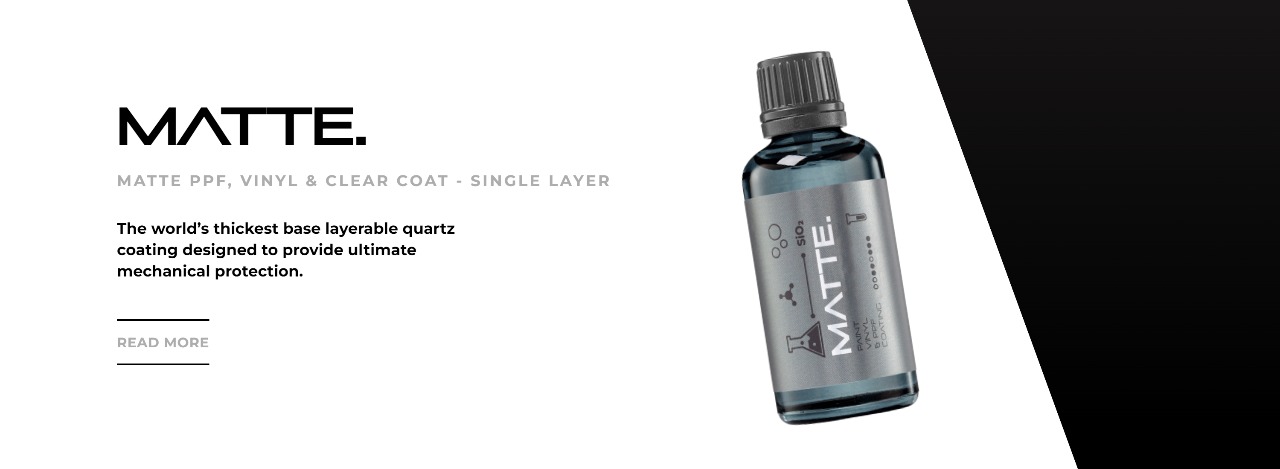
 MATTE & SATINMATTEProtection that respects the finish.Discover
 GLASSWINDOWSExplore dedicated glass protection.Discover
 WHEEL PROTECTIONWHEELSA dedicated coating for your wheels.Discover
 TRIM PROTECTIONPLASTICProtection for plastic surfaces.Discover
Dedicated care for the surfaces inside.
 LEATHER SURFACESLEATHERDiscover NANOLAB leather protection.Discover PLASTIC SURFACESPLASTICProtection for interior plastic surfaces.Discover TEXTILE SURFACESFABRICExplore the latest fabric formulation.Discover
Spray protection, maintenance and upcoming wash products.
 MAINTENANCEBEAST 365Explore the BEAST maintenance range.Discover
Next in washing, cleaning & care.
Ceramic protection for boats and yachts.
An easy-to-apply ceramic coating with an established track record on boats and yachts around the world.
Results vary with surface preparation, exposure and maintenance.
Read 50 MARINE guides →Explore MARINEProtection for the surfaces you live with.
A look at what we’re developing.
From cutting and one-step correction to final finishing.
A wider range for professional vehicle care.
Taking shape alongside BEAST & MATRIX.
Practical guidance for your next coating project.
Explore all guides →
Check wash-bay splashback and runoff routes when a vehicle becomes dirty again immediately after its final rinse.
Updated · NANOLAB Knowledge
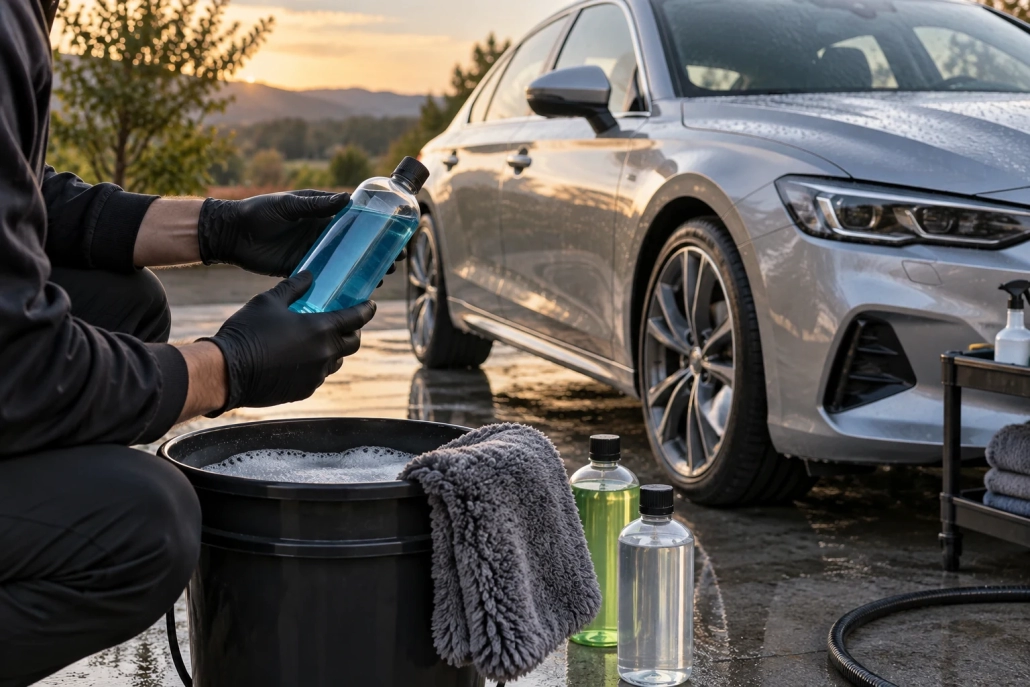
A vehicle can be rinsed correctly and then receive dirty water from the floor, wheels or nearby work. When contamination appears immediately after rinsing, inspect the surrounding process before changing the shampoo.
Watch nozzle direction, water impact near the ground and movement around the vehicle. Identify whether a later wheel or floor-cleaning task sends droplets onto already finished panels. Keep the observation within normal equipment safety practice.
| Source | Possible signature |
|---|---|
| Floor splash | Low-panel droplets after ground impact |
| Wheel-area runoff | Local trails near arches |
| Adjacent wash work | Contamination on the exposed side |
Complete dirty surrounding tasks at a suitable stage, maintain the bay through its normal housekeeping procedure and plan the final rinse so finished areas are not repeatedly exposed to splashback. Do not introduce unsafe nozzle positions to avoid a small amount of water.
Repeat a representative wash while keeping the product and water supply unchanged. Compare the location and timing of new droplets. If the pattern persists, investigate other sources such as trapped water or contaminated drying tools.
A maintenance product should not be used to hide unexplained contamination. Restore the surface through the supported care method and confirm the dry result first.
Wash quality includes the environment around the vehicle. A sequence that prevents recontamination can reduce repeat work more effectively than stronger chemistry applied to a surface that was already clean.
Ask NANOLAB about your surface and intended use. For application and care, use the current instructions for the exact product.
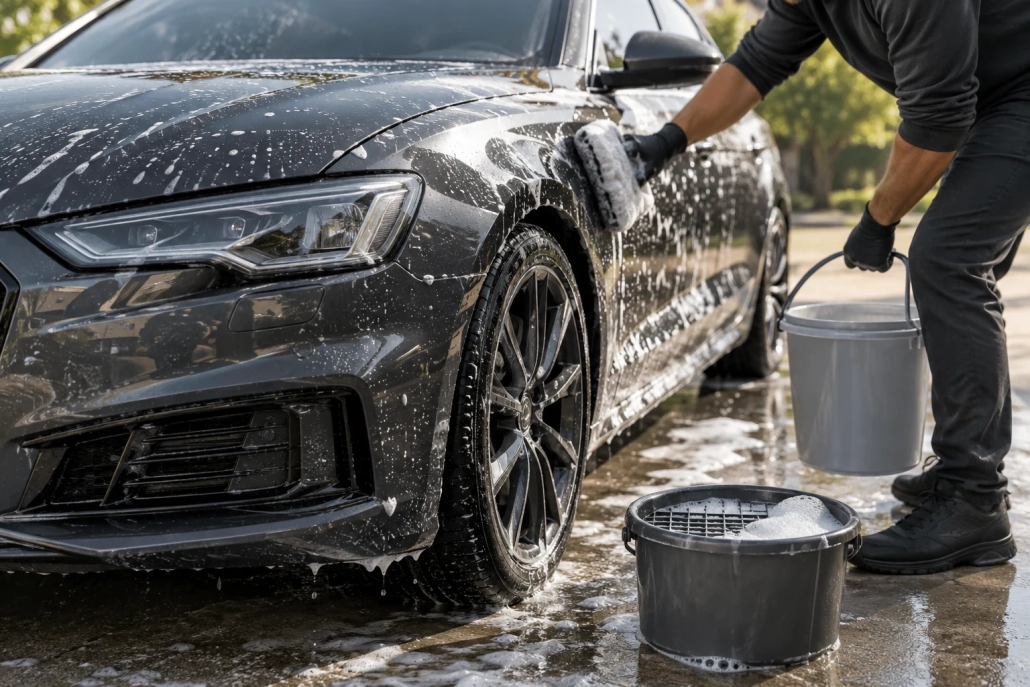
Build a gentle wash routine that removes loose grit before contact, keeps wheel tools separate and ends with careful rinsing and drying.
Brown rinse water from a supposedly clean mitt deserves investigation before the mitt returns to paint.
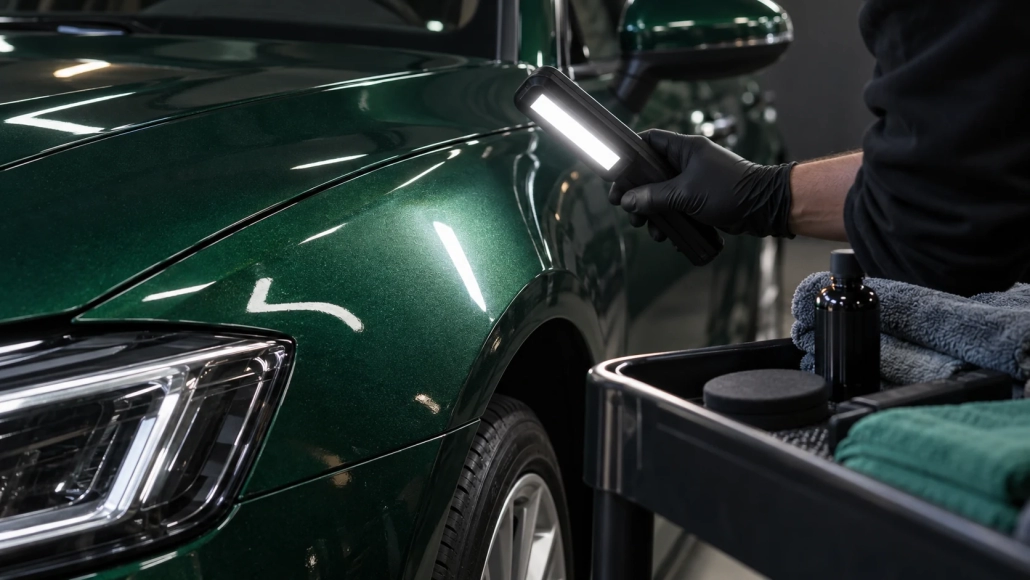
Set wash-mitt changes from contamination and task conditions rather than assuming every panel places the same load on the tool.

 Rotating Wash Mitts by Soil Load Instead of a Fixed Panel Count