






A full polishing range.
From cutting and one-step correction to final finishing.
Specialist chemistry. Expert application.
 QUARTZ99 / CERAMIC BASE COAT
The foundation of your coating system.
A layerable quartz base coat designed for mechanical protection. Pair it with a suitable top coat to create the final finish.
For application by NANOLAB certified installers only.
Four formulas. Extended working time. Find the coating for your finish.
Explore the BEAST family of ceramic coatings.
Find the coating for each exterior surface.
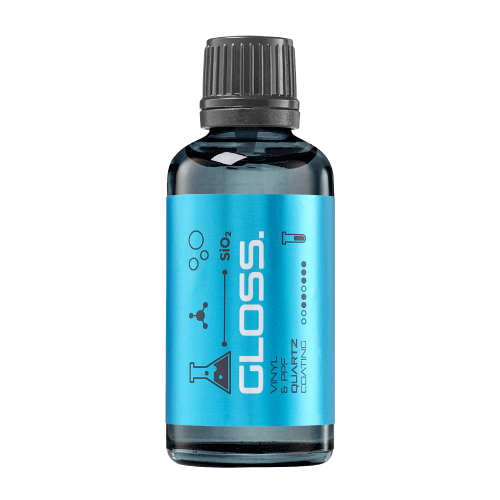
 PPF & VINYLGLOSSProtection for glossy films and wraps.Discover
 MATTE & SATINMATTEProtection that respects the finish.Discover
 GLASSWINDOWSExplore dedicated glass protection.Discover
 WHEEL PROTECTIONWHEELSA dedicated coating for your wheels.Discover
 TRIM PROTECTIONPLASTICProtection for plastic surfaces.Discover
Dedicated care for the surfaces inside.
 LEATHER SURFACESLEATHERDiscover NANOLAB leather protection.Discover PLASTIC SURFACESPLASTICProtection for interior plastic surfaces.Discover TEXTILE SURFACESFABRICExplore the latest fabric formulation.Discover
Spray protection, maintenance and upcoming wash products.
 MAINTENANCEBEAST 365Explore the BEAST maintenance range.Discover
Next in washing, cleaning & care.
Ceramic protection for boats and yachts.
An easy-to-apply ceramic coating with an established track record on boats and yachts around the world.
Results vary with surface preparation, exposure and maintenance.
Read 50 MARINE guides →Explore MARINEProtection for the surfaces you live with.
A look at what we’re developing.
From cutting and one-step correction to final finishing.
A wider range for professional vehicle care.
Taking shape alongside BEAST & MATRIX.
Practical guidance for your next coating project.
Explore all guides →
Define vehicle-specific exclusions around cameras, sensors and optical areas before applying any aftermarket treatment to automotive glass.
Updated · NANOLAB Knowledge

Automotive glass can form part of a camera, sensor or optical system. A product suitable for ordinary glass is not automatically approved for every functional area of a vehicle. Establish the permitted scope before application.
Consult the vehicle manufacturer’s current instructions and the treatment manufacturer’s guidance. Distinguish exterior windscreen glass, internal surfaces, camera covers and other components. Do not infer suitability from how transparent the product appears.
Use the relevant documented boundaries and communicate them to the operator. If the instructions do not resolve a functional area, obtain guidance rather than inventing a margin. Keep masking materials compatible with the surface and the intended procedure.
| Question | Required source |
|---|---|
| May this area be treated? | Vehicle and product-specific instructions |
| What preparation is permitted? | Applicable surface guidance |
| Does service require calibration? | Vehicle manufacturer’s service process |
Do not remove covers, disturb sensors or alter camera alignment as part of a routine coating job. Refer required mechanical or calibration work to an appropriately qualified service provider.
Record the treated and excluded areas and any unresolved question. If the customer reports a functional change after work, route it promptly to the appropriate vehicle service assessment instead of trying additional surface chemicals as a diagnostic shortcut.
The benefit of a clear scope is straightforward: the installer can provide the intended surface-care service while preserving the separate requirements of the vehicle’s functional systems.
Ask NANOLAB about your surface and intended use. For application and care, use the current instructions for the exact product.
Use clear checkpoints before application, after levelling and at handover to make coating work consistent and traceable.
An exterior mirror housing may surround a camera lens, indicator, lamp, seal and folding mechanism.
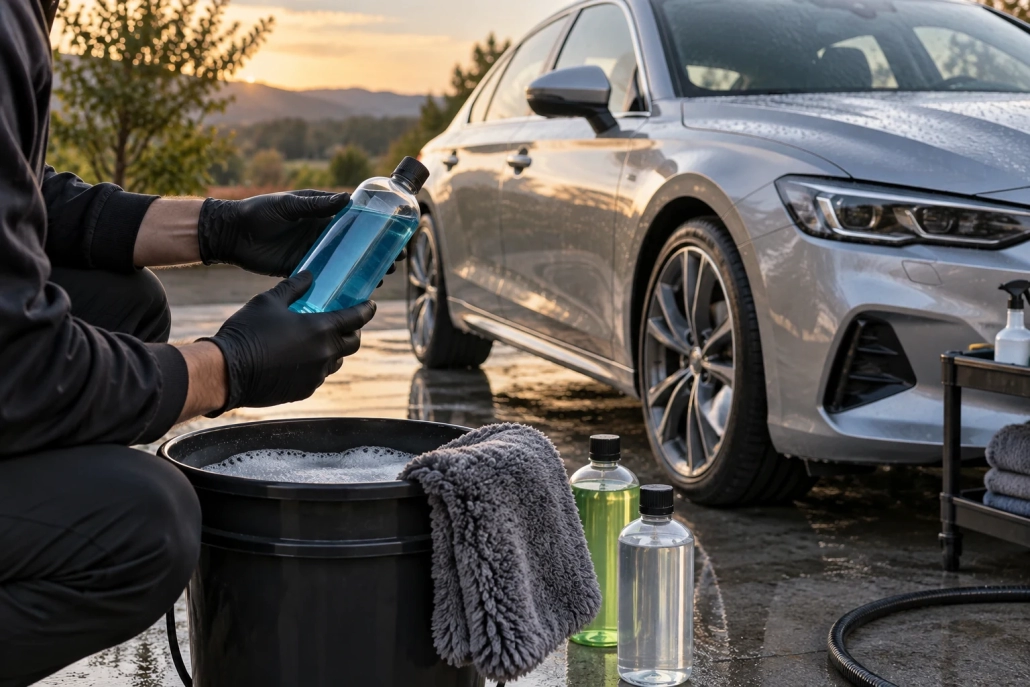
Check individual panel conditions when a vehicle moves from sunlight into a workshop because the surrounding air does not define every surface temperature.

 Sun-to-Shade Vehicle Intake: Measure the Panel, Not Just the Workshop Air