






A full polishing range.
From cutting and one-step correction to final finishing.
Specialist chemistry. Expert application.
 QUARTZ99 / CERAMIC BASE COAT
The foundation of your coating system.
A layerable quartz base coat designed for mechanical protection. Pair it with a suitable top coat to create the final finish.
For application by NANOLAB certified installers only.
Four formulas. Extended working time. Find the coating for your finish.
Explore the BEAST family of ceramic coatings.
Find the coating for each exterior surface.
 PPF & VINYLGLOSSProtection for glossy films and wraps.Discover
 MATTE & SATINMATTEProtection that respects the finish.Discover
 GLASSWINDOWSExplore dedicated glass protection.Discover
 WHEEL PROTECTIONWHEELSA dedicated coating for your wheels.Discover
 TRIM PROTECTIONPLASTICProtection for plastic surfaces.Discover
Dedicated care for the surfaces inside.
 LEATHER SURFACESLEATHERDiscover NANOLAB leather protection.Discover PLASTIC SURFACESPLASTICProtection for interior plastic surfaces.Discover TEXTILE SURFACESFABRICExplore the latest fabric formulation.Discover
Spray protection, maintenance and upcoming wash products.
 MAINTENANCEBEAST 365Explore the BEAST maintenance range.Discover
Next in washing, cleaning & care.
Ceramic protection for boats and yachts.
An easy-to-apply ceramic coating with an established track record on boats and yachts around the world.
Results vary with surface preparation, exposure and maintenance.
Read 50 MARINE guides →Explore MARINEProtection for the surfaces you live with.
A look at what we’re developing.
From cutting and one-step correction to final finishing.
A wider range for professional vehicle care.
Taking shape alongside BEAST & MATRIX.
Practical guidance for your next coating project.
Explore all guides →
Diagnose declining polishing performance mid-job by checking pad condition, product use and panel history before increasing aggression.
Updated · NANOLAB Knowledge
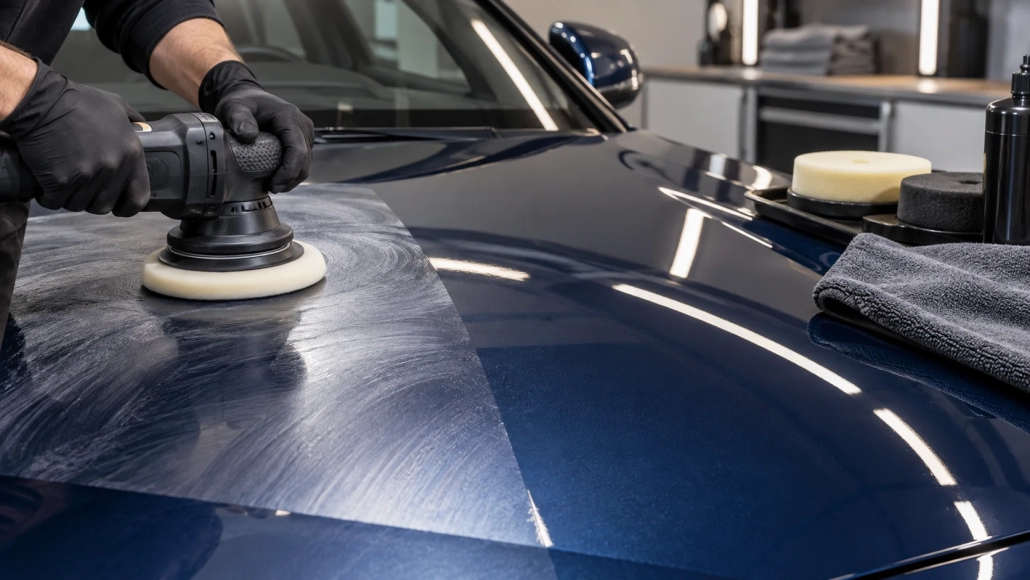
A polishing combination can work well on the first panel and become less effective later. The cause may be pad loading, contamination, technique drift or a different paint finish. Increasing pressure immediately can make diagnosis harder and increase risk.
Record whether the issue is reduced correction, increased haze, dragging, difficult wipe-off or another behaviour. Note the panel, pad use history and any change in product amount or working conditions.
| Check | What it helps separate |
|---|---|
| Suitable fresh or correctly cleaned pad | Pad condition from the rest of the system |
| Documented product dose | Underloading or overloading from paint response |
| Panel repair history | A changed substrate from a changed tool |
| Machine and technique | Operational drift from material behaviour |
On a suitable area, repeat the accepted process with the suspected variable corrected. Keep the test within the paint and equipment limits. If a fresh pad restores the result, investigate cleaning and rotation rules. If it does not, review the panel-specific process instead of consuming more pads without learning anything.
A technician moves from original paint to a repaired door and notices dragging. A pad change alone does not resolve it. That directs attention to the new panel and its finishing response rather than proving the compound has changed in the bottle.
Record any new combination used and the reason. If it affects the finish or preparation sequence, inspect the transition between panels. A successful local adjustment should become part of the job record.
Use the evidence to refine pad rotation, test-spot selection or panel mapping. Avoid a fixed replacement rule based only on car count when actual workload differs.
Mid-job decline is useful information when it triggers a controlled check. It becomes expensive when every response changes several variables and the workshop never establishes what restored the result.
Ask NANOLAB about your surface and intended use. For application and care, use the current instructions for the exact product.
Choose a polishing process by testing defect removal, finishing quality and clear-coat preservation rather than counting steps alone.
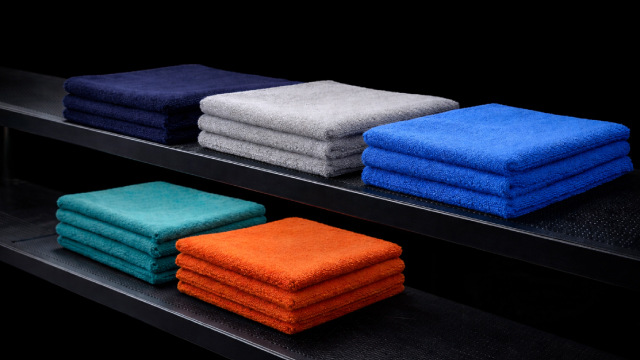
When heavy-cut compound seems slow on hard-responding paint, pressing harder is an attractive but incomplete response.
Compare heavy-cut compounds on representative defect groups and total refinement demand instead of selecting only the easiest scratches.
 Comparing Heavy-Cut Compounds on Realistic Defect Distributions