






A full polishing range.
From cutting and one-step correction to final finishing.
Specialist chemistry. Expert application.
 QUARTZ99 / CERAMIC BASE COAT
The foundation of your coating system.
A layerable quartz base coat designed for mechanical protection. Pair it with a suitable top coat to create the final finish.
For application by NANOLAB certified installers only.
Four formulas. Extended working time. Find the coating for your finish.
Explore the BEAST family of ceramic coatings.
Find the coating for each exterior surface.
 PPF & VINYLGLOSSProtection for glossy films and wraps.Discover
 MATTE & SATINMATTEProtection that respects the finish.Discover
 GLASSWINDOWSExplore dedicated glass protection.Discover
 WHEEL PROTECTIONWHEELSA dedicated coating for your wheels.Discover
 TRIM PROTECTIONPLASTICProtection for plastic surfaces.Discover
Dedicated care for the surfaces inside.
 LEATHER SURFACESLEATHERDiscover NANOLAB leather protection.Discover PLASTIC SURFACESPLASTICProtection for interior plastic surfaces.Discover TEXTILE SURFACESFABRICExplore the latest fabric formulation.Discover
Spray protection, maintenance and upcoming wash products.
 MAINTENANCEBEAST 365Explore the BEAST maintenance range.Discover
Next in washing, cleaning & care.
Ceramic protection for boats and yachts.
An easy-to-apply ceramic coating with an established track record on boats and yachts around the world.
Results vary with surface preparation, exposure and maintenance.
Read 50 MARINE guides →Explore MARINEProtection for the surfaces you live with.
A look at what we’re developing.
From cutting and one-step correction to final finishing.
A wider range for professional vehicle care.
Taking shape alongside BEAST & MATRIX.
Practical guidance for your next coating project.
Explore all guides →
A trial conclusion should identify the users, surfaces and conditions represented by its samples. Evidence from a narrow study should not be generalized to every installer, climate or finish without a justified basis.
Updated · NANOLAB Knowledge
The sample-selection process matters as well as the number of observations. A convenient group of experienced operators may answer a professional-use question while leaving retail usability unresolved. A clear conclusion explains both the observed result and the boundaries of the study population.
Illustrative example: a coating is evaluated by experienced installers in one controlled workshop. The result may support a statement about that workflow, but it does not automatically establish the same experience for untrained users working outdoors. The broader claim requires additional relevant evidence.
Do not hide limitations in a footnote while the headline makes a universal promise. This guide does not define a minimum trial size. It helps keep a product claim proportional to the people, surfaces and conditions that were genuinely included in the evaluation.
Ask NANOLAB about the exact product and intended use. Use the current product documentation for formulation-specific instructions.
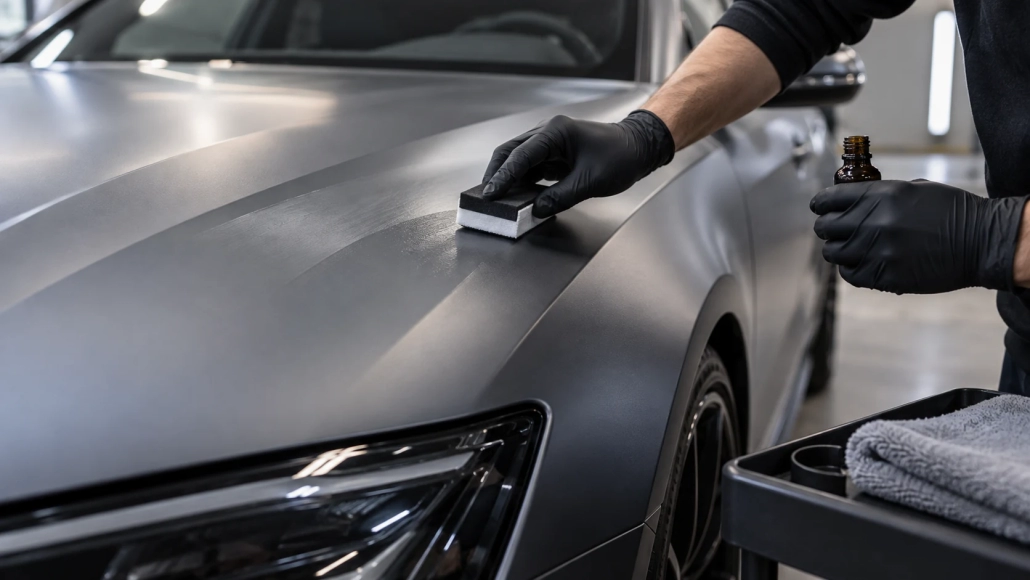
Plan a colour-change assessment for nano coatings with matched samples, consistent lighting and a clear distinction between visual observation and instrument data.
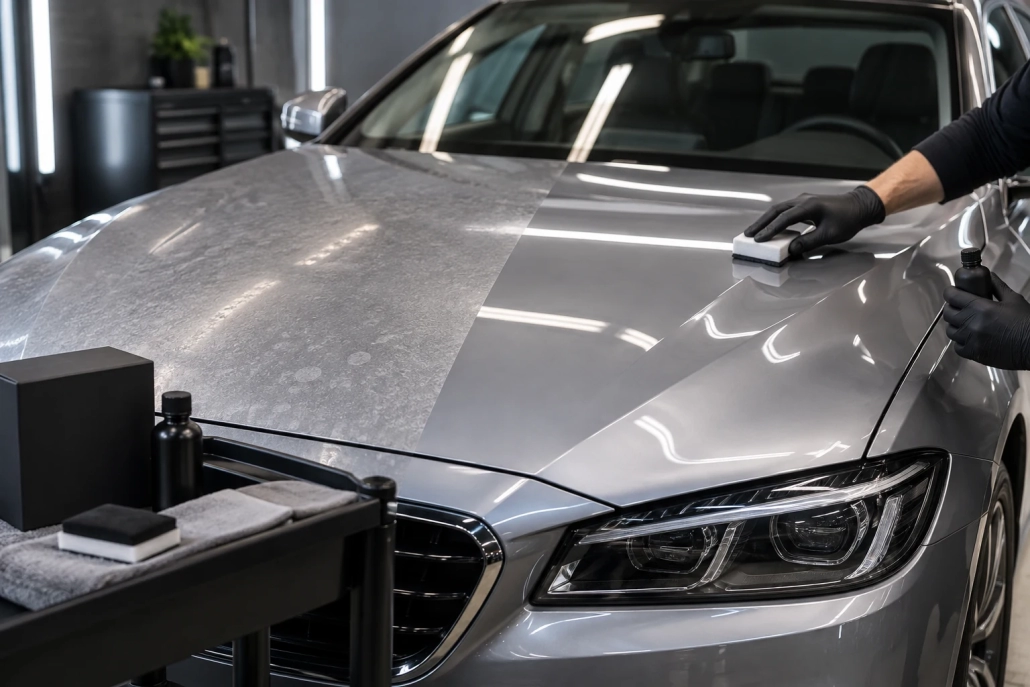
Give technical support a concise record of the product, surface, conditions and observed issue so advice can address the actual installation.

Editing settings can change the apparent contrast, colour and clarity of a coating comparison. Preserve the original photographs and apply a consistent, disclosed processing approach when images are used as evidence.