






A full polishing range.
From cutting and one-step correction to final finishing.
Specialist chemistry. Expert application.
 QUARTZ99 / CERAMIC BASE COAT
The foundation of your coating system.
A layerable quartz base coat designed for mechanical protection. Pair it with a suitable top coat to create the final finish.
For application by NANOLAB certified installers only.
Four formulas. Extended working time. Find the coating for your finish.
Explore the BEAST family of ceramic coatings.
Find the coating for each exterior surface.
 PPF & VINYLGLOSSProtection for glossy films and wraps.Discover
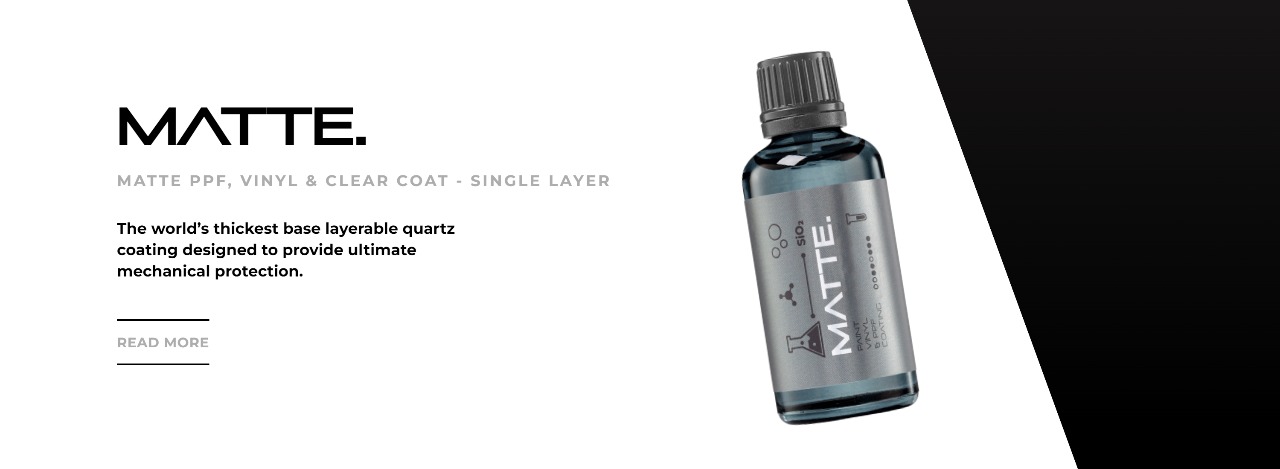
 MATTE & SATINMATTEProtection that respects the finish.Discover
 GLASSWINDOWSExplore dedicated glass protection.Discover
 WHEEL PROTECTIONWHEELSA dedicated coating for your wheels.Discover
 TRIM PROTECTIONPLASTICProtection for plastic surfaces.Discover
Dedicated care for the surfaces inside.
 LEATHER SURFACESLEATHERDiscover NANOLAB leather protection.Discover PLASTIC SURFACESPLASTICProtection for interior plastic surfaces.Discover TEXTILE SURFACESFABRICExplore the latest fabric formulation.Discover
Spray protection, maintenance and upcoming wash products.
 MAINTENANCEBEAST 365Explore the BEAST maintenance range.Discover
Next in washing, cleaning & care.
Ceramic protection for boats and yachts.
An easy-to-apply ceramic coating with an established track record on boats and yachts around the world.
Results vary with surface preparation, exposure and maintenance.
Read 50 MARINE guides →Explore MARINEProtection for the surfaces you live with.
A look at what we’re developing.
From cutting and one-step correction to final finishing.
A wider range for professional vehicle care.
Taking shape alongside BEAST & MATRIX.
Practical guidance for your next coating project.
Explore all guides →
The time a cleaner remains on a surface is not the same as the total time spent on the cleaning job. Track the relevant exposure interval when assessing an approved process or investigating a surface change.
Updated · NANOLAB Knowledge
Preparation, application, agitation, rinsing and drying may occur at different times across a large area. A single job-duration entry can hide longer exposure on the first section treated. The workflow should preserve the manufacturer's limits while making the actual sequence clear enough to review.
Illustrative example: a technician sprays an entire vehicle and begins rinsing from the opposite end. The first treated section may experience a different interval from the last. A job log that records only thirty minutes of labour would not explain those local exposure differences.
Do not use a longer dwell time as an improvised way to strengthen a cleaner. Follow the product's surface, temperature and rinsing instructions. This guide provides a recording distinction, not a universal dwell-time recommendation for coated paint, wheels, glass or interior finishes.
Ask NANOLAB about the exact product and intended use. Use the current product documentation for formulation-specific instructions.
A bucket can look free of grit while retaining cleaner from its previous use. Dedicated identification and appropriate cleaning reduce confusion.
Using several mitts can become confusing if clean, used and area-specific tools look identical. A visible assignment system makes the intended wash routine easier to follow.
On a large vehicle, the first treated panel may have substantially more contact time than the last. A single timer started after spraying the whole vehicle can hide that difference and make the process harder to control.