






A full polishing range.
From cutting and one-step correction to final finishing.
Specialist chemistry. Expert application.
 QUARTZ99 / CERAMIC BASE COAT
The foundation of your coating system.
A layerable quartz base coat designed for mechanical protection. Pair it with a suitable top coat to create the final finish.
For application by NANOLAB certified installers only.
Four formulas. Extended working time. Find the coating for your finish.
Explore the BEAST family of ceramic coatings.
Find the coating for each exterior surface.
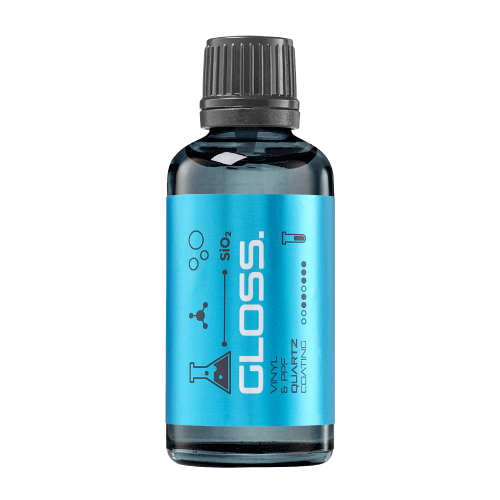
 PPF & VINYLGLOSSProtection for glossy films and wraps.Discover
 MATTE & SATINMATTEProtection that respects the finish.Discover
 GLASSWINDOWSExplore dedicated glass protection.Discover
 WHEEL PROTECTIONWHEELSA dedicated coating for your wheels.Discover
 TRIM PROTECTIONPLASTICProtection for plastic surfaces.Discover
Dedicated care for the surfaces inside.
 LEATHER SURFACESLEATHERDiscover NANOLAB leather protection.Discover PLASTIC SURFACESPLASTICProtection for interior plastic surfaces.Discover TEXTILE SURFACESFABRICExplore the latest fabric formulation.Discover
Spray protection, maintenance and upcoming wash products.
 MAINTENANCEBEAST 365Explore the BEAST maintenance range.Discover
Next in washing, cleaning & care.
Ceramic protection for boats and yachts.
An easy-to-apply ceramic coating with an established track record on boats and yachts around the world.
Results vary with surface preparation, exposure and maintenance.
Read 50 MARINE guides →Explore MARINEProtection for the surfaces you live with.
A look at what we’re developing.
From cutting and one-step correction to final finishing.
A wider range for professional vehicle care.
Taking shape alongside BEAST & MATRIX.
Practical guidance for your next coating project.
Explore all guides →
A replacement or repaired interior panel may need a new protection and care decision. The original handover should tell the owner that the service record does not automatically cover every future component fitted to the vehicle.
Updated · NANOLAB Knowledge
Repairs can change the exposed finish, and replacement parts may arrive with their own factory treatment or care instructions. Keeping those changes visible helps avoid applying an old maintenance routine to a different surface. The same principle applies when a seat cover, decorative insert or armrest is replaced independently of the rest of the interior.
Illustrative example: a damaged armrest is replaced months after an interior protection service. The owner assumes it is protected because it matches the surrounding trim. A component-based record would show that the replacement requires its own assessment and any subsequent treatment must be documented separately.
Do not promise that a previous warranty, product recommendation or maintenance interval transfers automatically to a changed component. Confirm the actual terms and material requirements. The handover should make future decisions clear without implying that all replacements require the same additional service.
Ask NANOLAB about the exact product and intended use. Use the current product documentation for formulation-specific instructions.
Interior textile trim on a convertible can differ from the exterior roof. Keep the two treatment scopes separate.
Removable cargo panels can differ from dashboard trim and receive heavier contact. Confirm their material and fitting requirements.
A suede-like appearance does not identify a surface as leather or Alcantara. Establish the actual material before choosing a cleaner or protective treatment, because a familiar texture is not a reliable substitute for the manufacturer's care instructions.