






A full polishing range.
From cutting and one-step correction to final finishing.
Specialist chemistry. Expert application.
 QUARTZ99 / CERAMIC BASE COAT
The foundation of your coating system.
A layerable quartz base coat designed for mechanical protection. Pair it with a suitable top coat to create the final finish.
For application by NANOLAB certified installers only.
Four formulas. Extended working time. Find the coating for your finish.
Explore the BEAST family of ceramic coatings.
Find the coating for each exterior surface.
 PPF & VINYLGLOSSProtection for glossy films and wraps.Discover
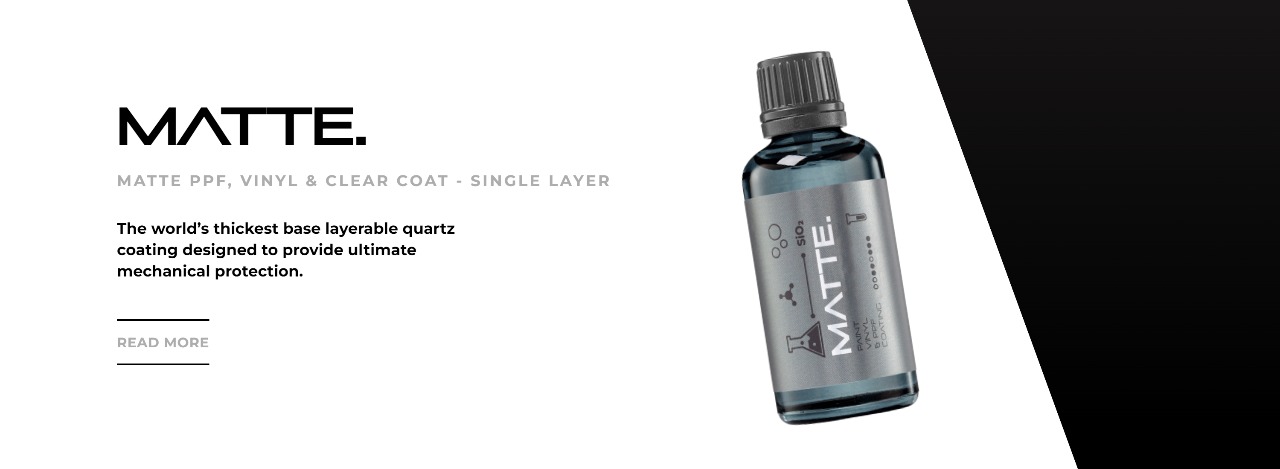
 MATTE & SATINMATTEProtection that respects the finish.Discover
 GLASSWINDOWSExplore dedicated glass protection.Discover
 WHEEL PROTECTIONWHEELSA dedicated coating for your wheels.Discover
 TRIM PROTECTIONPLASTICProtection for plastic surfaces.Discover
Dedicated care for the surfaces inside.
 LEATHER SURFACESLEATHERDiscover NANOLAB leather protection.Discover PLASTIC SURFACESPLASTICProtection for interior plastic surfaces.Discover TEXTILE SURFACESFABRICExplore the latest fabric formulation.Discover
Spray protection, maintenance and upcoming wash products.
 MAINTENANCEBEAST 365Explore the BEAST maintenance range.Discover
Next in washing, cleaning & care.
Ceramic protection for boats and yachts.
An easy-to-apply ceramic coating with an established track record on boats and yachts around the world.
Results vary with surface preparation, exposure and maintenance.
Read 50 MARINE guides →Explore MARINEProtection for the surfaces you live with.
A look at what we’re developing.
From cutting and one-step correction to final finishing.
A wider range for professional vehicle care.
Taking shape alongside BEAST & MATRIX.
Practical guidance for your next coating project.
Explore all guides →
On a large vehicle, the first treated panel may have substantially more contact time than the last. A single timer started after spraying the whole vehicle can hide that difference and make the process harder to control.
Updated · NANOLAB Knowledge
Plan the work area around the product instructions and the ability to rinse or remove it promptly. Contact time, surface condition and drying risk should be considered together. A stated dwell period is not permission to leave the product unattended while another task is completed. The appropriate section size depends on the actual setup.
Illustrative example: spraying one side of a van takes several minutes. Starting a timer only after the last panel is treated gives the first panel additional exposure. Working in smaller sections can make the contact sequence easier to control without changing the approved concentration.
Do not extend contact time to compensate for weak results unless the manufacturer permits it. If residue begins to dry or an unexpected surface change appears, follow the product's removal guidance and reassess. A stopwatch cannot replace surface observation or material compatibility checks.
Ask NANOLAB about the exact product and intended use. Use the current product documentation for formulation-specific instructions.
A cleaner suitable for one exterior surface may have restrictions on another. The coating does not remove the underlying material's care requirements.
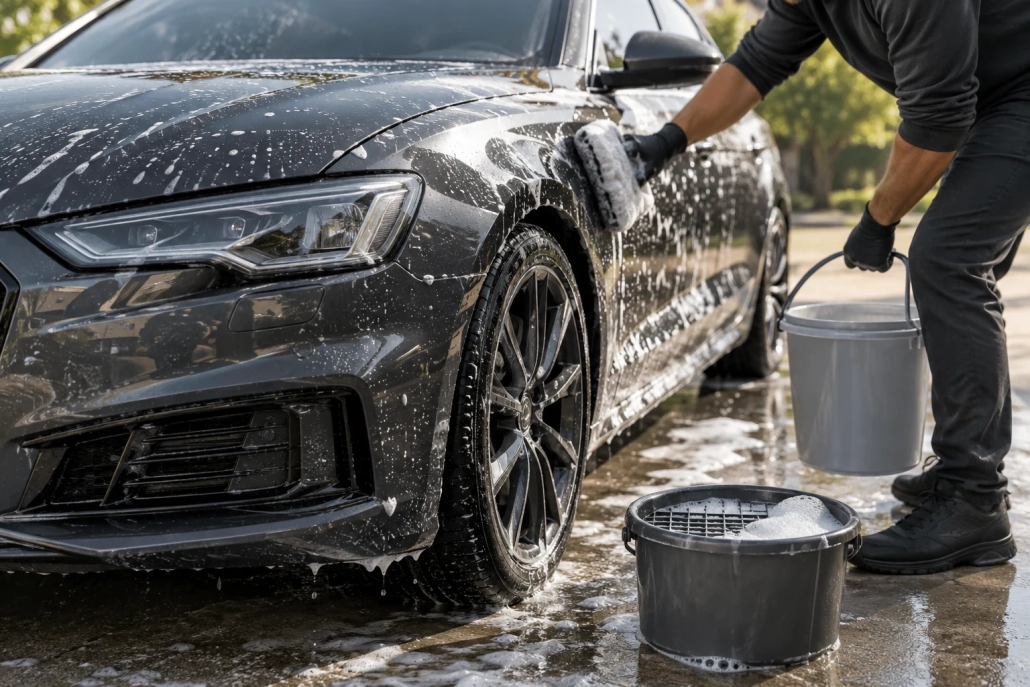
Build a gentle wash routine that removes loose grit before contact, keeps wheel tools separate and ends with careful rinsing and drying.
The time a cleaner remains on a surface is not the same as the total time spent on the cleaning job. Track the relevant exposure interval when assessing an approved process or investigating a surface change.