






A full polishing range.
From cutting and one-step correction to final finishing.
Specialist chemistry. Expert application.
 QUARTZ99 / CERAMIC BASE COAT
The foundation of your coating system.
A layerable quartz base coat designed for mechanical protection. Pair it with a suitable top coat to create the final finish.
For application by NANOLAB certified installers only.
Four formulas. Extended working time. Find the coating for your finish.
Explore the BEAST family of ceramic coatings.
Find the coating for each exterior surface.
 PPF & VINYLGLOSSProtection for glossy films and wraps.Discover
 MATTE & SATINMATTEProtection that respects the finish.Discover
 GLASSWINDOWSExplore dedicated glass protection.Discover
 WHEEL PROTECTIONWHEELSA dedicated coating for your wheels.Discover
 TRIM PROTECTIONPLASTICProtection for plastic surfaces.Discover
Dedicated care for the surfaces inside.
 LEATHER SURFACESLEATHERDiscover NANOLAB leather protection.Discover PLASTIC SURFACESPLASTICProtection for interior plastic surfaces.Discover TEXTILE SURFACESFABRICExplore the latest fabric formulation.Discover
Spray protection, maintenance and upcoming wash products.
 MAINTENANCEBEAST 365Explore the BEAST maintenance range.Discover
Next in washing, cleaning & care.
Ceramic protection for boats and yachts.
An easy-to-apply ceramic coating with an established track record on boats and yachts around the world.
Results vary with surface preparation, exposure and maintenance.
Read 50 MARINE guides →Explore MARINEProtection for the surfaces you live with.
A look at what we’re developing.
From cutting and one-step correction to final finishing.
A wider range for professional vehicle care.
Taking shape alongside BEAST & MATRIX.
Practical guidance for your next coating project.
Explore all guides →
Calculate coating returns by orders, units and value separately, with clear reason categories and shipment observation windows.
Updated · NANOLAB Knowledge
A return rate can use orders, units or value as its denominator. Each reveals a different aspect of a coating business. Mixing them makes comparisons misleading, especially when wholesale orders are much larger than direct customer orders.
In an illustrative period, 100 orders contain 1,000 bottles. Two orders involve returns totaling 20 bottles. The affected-order rate is 2 percent and the returned-unit rate is also 2 percent in this particular example, but that equality is accidental.
If the same two orders return 200 bottles, the order rate remains 2 percent while the unit rate becomes 20 percent. A single percentage would conceal the scale difference.
Classify shipping damage, wrong-item fulfilment, commercial returns and reported product issues using clear definitions. A returned bottle is not automatically a formulation failure. Preserve the original report and investigation outcome rather than forcing every case into a convenient category.
Returns may relate to shipments from an earlier period. A rate based on this month's returns divided by this month's shipments can be distorted when volume changes sharply. Use shipment cohorts or clearly state the timing limitation.
Include replacement freight, handling and support when assessing operational impact. A low-frequency issue affecting large orders can consume more resources than a frequent minor correction. Keep the cost view separate from the technical root-cause assessment.
For a private-label quality review, show counts, denominators, reason categories and the observation window. This supports targeted improvements to packing, instructions or production without turning every return into a product-performance claim or hiding a large-unit problem behind a small order percentage.
Discuss your product and packaging requirements through NANOLAB private-label development. For product-specific use, consult the current technical documentation.
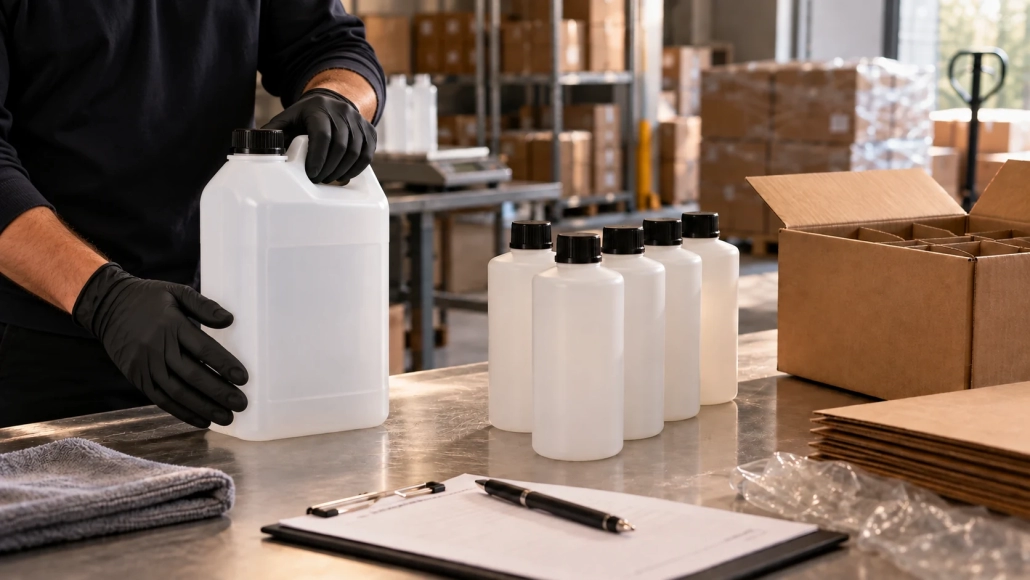
Calculate a private label coating order’s contribution after product, packaging, fulfilment and support costs using a clearly defined sales channel.

Organise coating stock by product, batch and applicable storage information so picking and replenishment do not leave older stock unidentified.

Calculate refill-packaging cost break-even using approved reuse procedures, actual cycles, labour and product losses.