






A full polishing range.
From cutting and one-step correction to final finishing.
Specialist chemistry. Expert application.
 QUARTZ99 / CERAMIC BASE COAT
The foundation of your coating system.
A layerable quartz base coat designed for mechanical protection. Pair it with a suitable top coat to create the final finish.
For application by NANOLAB certified installers only.
Four formulas. Extended working time. Find the coating for your finish.
Explore the BEAST family of ceramic coatings.
Find the coating for each exterior surface.
 PPF & VINYLGLOSSProtection for glossy films and wraps.Discover
 MATTE & SATINMATTEProtection that respects the finish.Discover
 GLASSWINDOWSExplore dedicated glass protection.Discover
 WHEEL PROTECTIONWHEELSA dedicated coating for your wheels.Discover
 TRIM PROTECTIONPLASTICProtection for plastic surfaces.Discover
Dedicated care for the surfaces inside.
 LEATHER SURFACESLEATHERDiscover NANOLAB leather protection.Discover PLASTIC SURFACESPLASTICProtection for interior plastic surfaces.Discover TEXTILE SURFACESFABRICExplore the latest fabric formulation.Discover
Spray protection, maintenance and upcoming wash products.
 MAINTENANCEBEAST 365Explore the BEAST maintenance range.Discover
Next in washing, cleaning & care.
Ceramic protection for boats and yachts.
An easy-to-apply ceramic coating with an established track record on boats and yachts around the world.
Results vary with surface preparation, exposure and maintenance.
Read 50 MARINE guides →Explore MARINEProtection for the surfaces you live with.
A look at what we’re developing.
From cutting and one-step correction to final finishing.
A wider range for professional vehicle care.
Taking shape alongside BEAST & MATRIX.
Practical guidance for your next coating project.
Explore all guides →
Inspect corrected paint after suitable residue removal to distinguish lasting defect improvement from temporary masking by polishing residue.
Updated · NANOLAB Knowledge
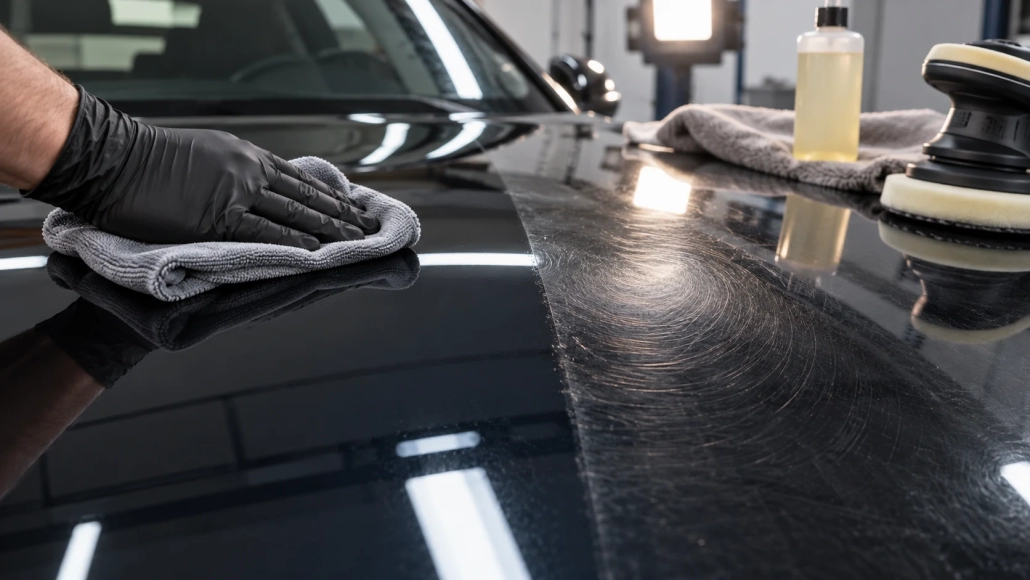
Paint can look impressive immediately after polishing yet reveal remaining defects during a later wash. Residue and inspection conditions can influence what is visible. The finishing decision should be based on a clean, properly inspected surface.
Inspect the test area before polishing and use the same light positions afterward. Remove polishing residue with a clean towel and the surface-preparation method approved for the paint and intended coating. Avoid aggressive repeated wiping on a delicate finish.
Allow the preparation product to be removed or evaporate as instructed before judging the appearance. Wetting the panel changes reflections and can temporarily obscure defects.
If a mark moves or changes with a gentle compatible wipe, residue may be involved. If a scratch pattern remains in the same location under several angles, further assessment is needed. Do not assume that every cloudy area requires a stronger compound.
Check the towel as well as the paint. A contaminated or unsuitable cloth can create new marks during inspection, making a good polishing process appear unsuccessful.
Record which defects remain and whether they are within the agreed scope. A ceramic coating should not be used as a substitute for correction or as a promise that remaining scratches will disappear.
Follow panel preparation before coating and use one-step versus two-stage assessment if refinement is still needed. Select the NANOLAB coating only after the finish itself has been accepted.
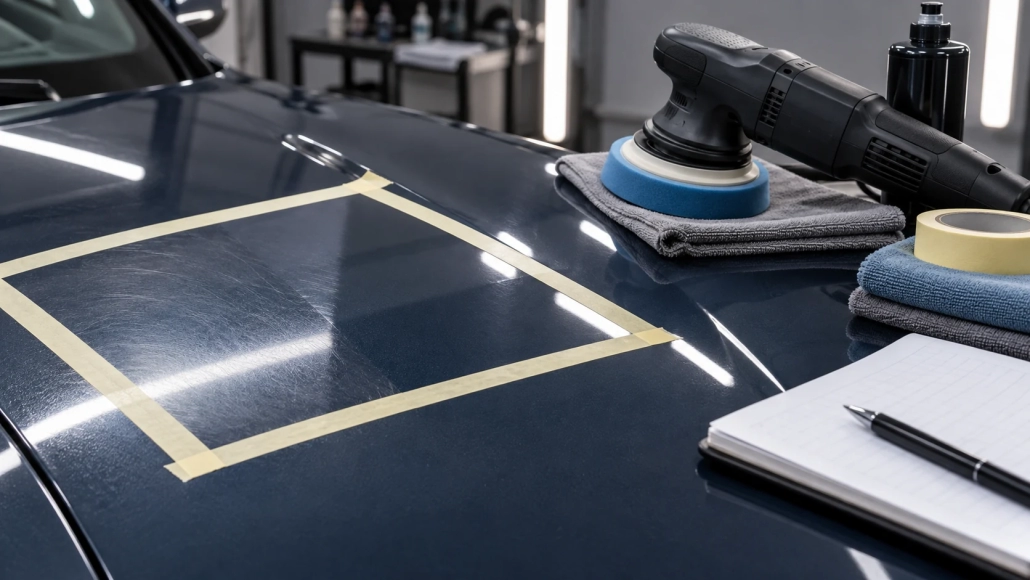
Document pad, polish, machine, surface and inspection results so a successful polishing test can guide the rest of the vehicle.
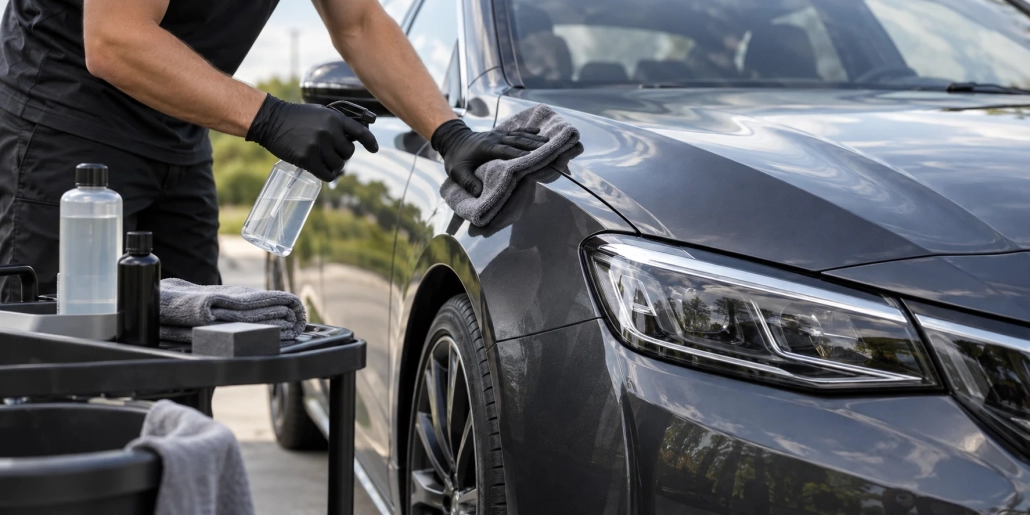
Understand the role of a final preparation wipe and avoid improvised solvent strengths that may not suit the paint or coating system.
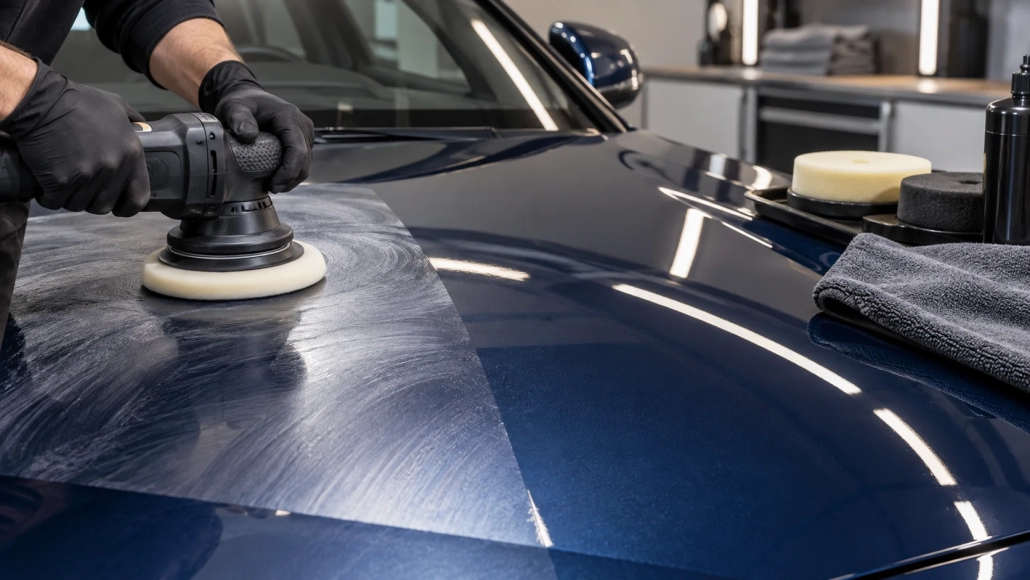
Choose a polishing process by testing defect removal, finishing quality and clear-coat preservation rather than counting steps alone.

 Polishing Around Edges and Body Lines