






A full polishing range.
From cutting and one-step correction to final finishing.
Specialist chemistry. Expert application.
 QUARTZ99 / CERAMIC BASE COAT
The foundation of your coating system.
A layerable quartz base coat designed for mechanical protection. Pair it with a suitable top coat to create the final finish.
For application by NANOLAB certified installers only.
Four formulas. Extended working time. Find the coating for your finish.
Explore the BEAST family of ceramic coatings.
Find the coating for each exterior surface.
 PPF & VINYLGLOSSProtection for glossy films and wraps.Discover
 MATTE & SATINMATTEProtection that respects the finish.Discover
 GLASSWINDOWSExplore dedicated glass protection.Discover
 WHEEL PROTECTIONWHEELSA dedicated coating for your wheels.Discover
 TRIM PROTECTIONPLASTICProtection for plastic surfaces.Discover
Dedicated care for the surfaces inside.
 LEATHER SURFACESLEATHERDiscover NANOLAB leather protection.Discover PLASTIC SURFACESPLASTICProtection for interior plastic surfaces.Discover TEXTILE SURFACESFABRICExplore the latest fabric formulation.Discover
Spray protection, maintenance and upcoming wash products.
 MAINTENANCEBEAST 365Explore the BEAST maintenance range.Discover
Next in washing, cleaning & care.
Ceramic protection for boats and yachts.
An easy-to-apply ceramic coating with an established track record on boats and yachts around the world.
Results vary with surface preparation, exposure and maintenance.
Read 50 MARINE guides →Explore MARINEProtection for the surfaces you live with.
A look at what we’re developing.
From cutting and one-step correction to final finishing.
A wider range for professional vehicle care.
Taking shape alongside BEAST & MATRIX.
Practical guidance for your next coating project.
Explore all guides →
Separate polishing haze, coating residue and wash contamination so the correction process addresses the right layer of the finish.
Updated · NANOLAB Knowledge
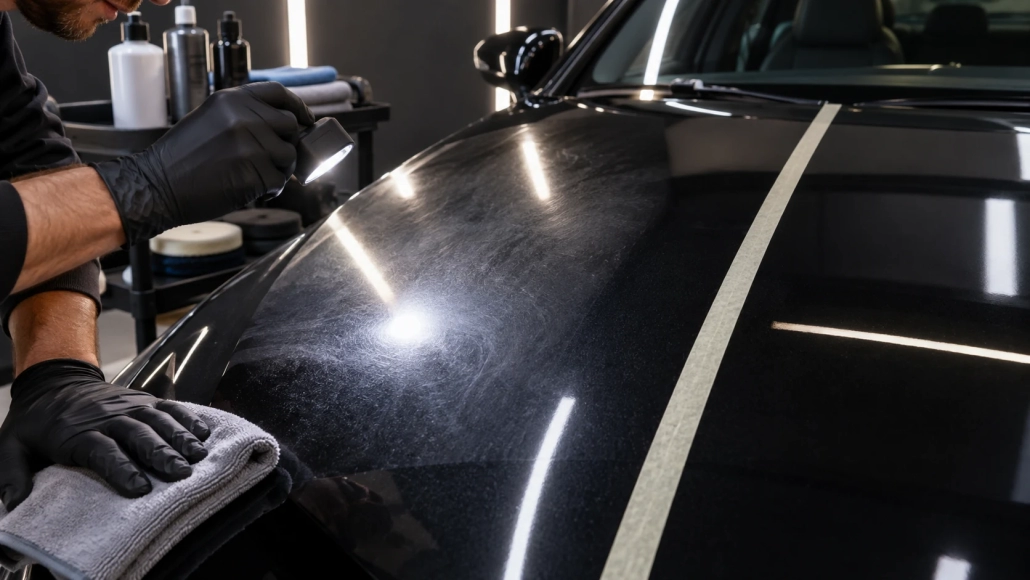
Was the defect visible after polishing, after the preparation wipe, after coating or only after the first wash? That sequence helps narrow the cause. Oils can temporarily hide polishing marks, while coating residue may become obvious under different lighting.
Inspect a clean, dry area using both diffuse and focused light. Photograph the pattern and note whether it follows machine movement, towel strokes or application sections.
Polishing haze can require adjustment to the correction process. Excess coating may need the formula’s approved levelling or recovery method. Wash residue may respond to better rinsing and clean towels. Each cause involves a different intervention.
Do not apply another layer simply because the surface looks dull. It can conceal evidence and complicate removal.
Choose the least aggressive compatible assessment process and check the result before expanding it. On fresh coating, involve the installer so the curing stage is considered. If polishing is needed, account for its effect on the existing protection. The final check should confirm both clarity and a properly restored system on any corrected area.
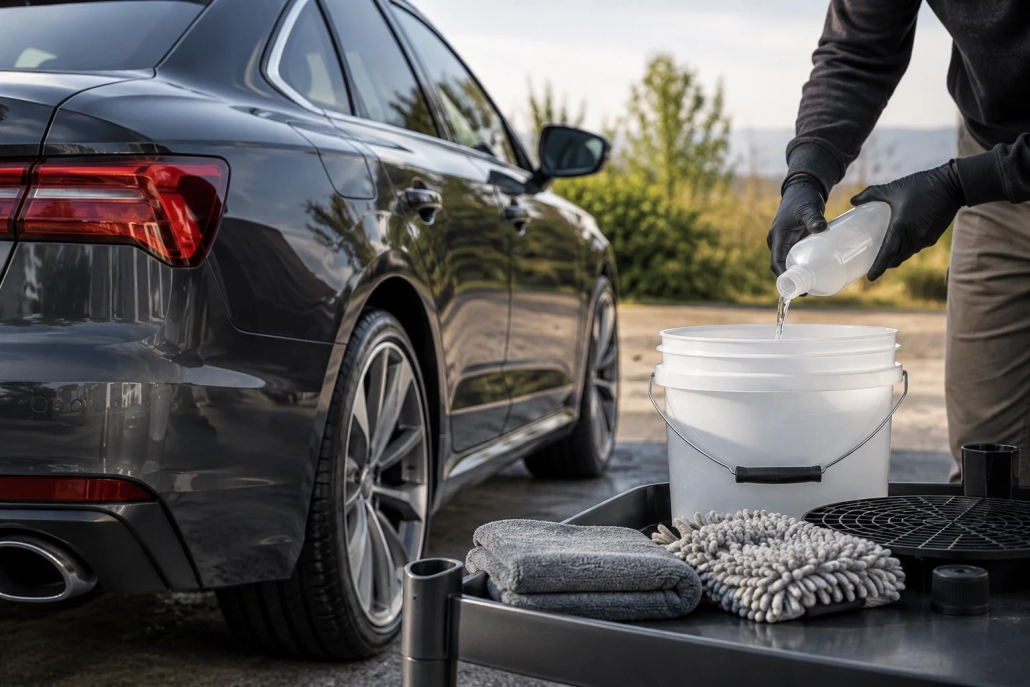
Use the installation's actual first-wash date and a gentle cleaning process without confusing wash readiness with full cure.
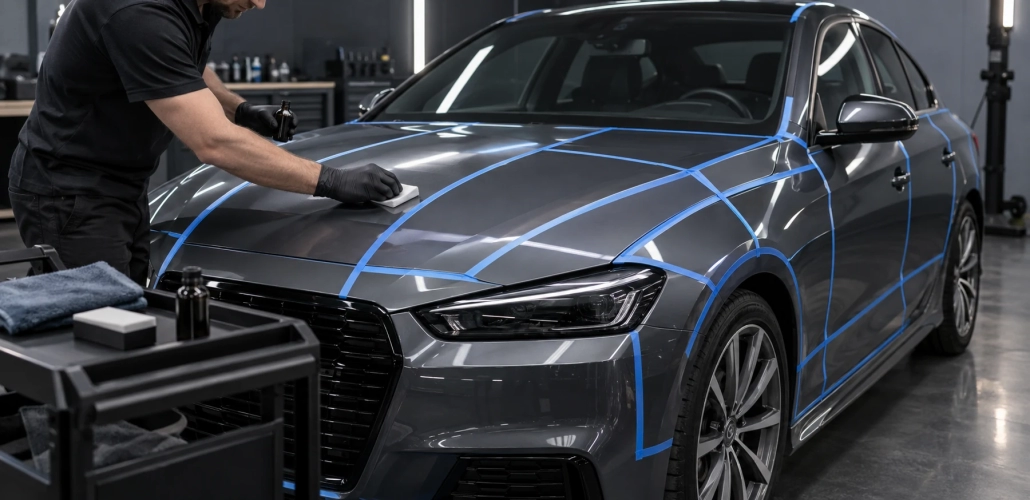
Create a practical panel map that prevents missed areas, excessive overlap and inconsistent levelling during coating application.
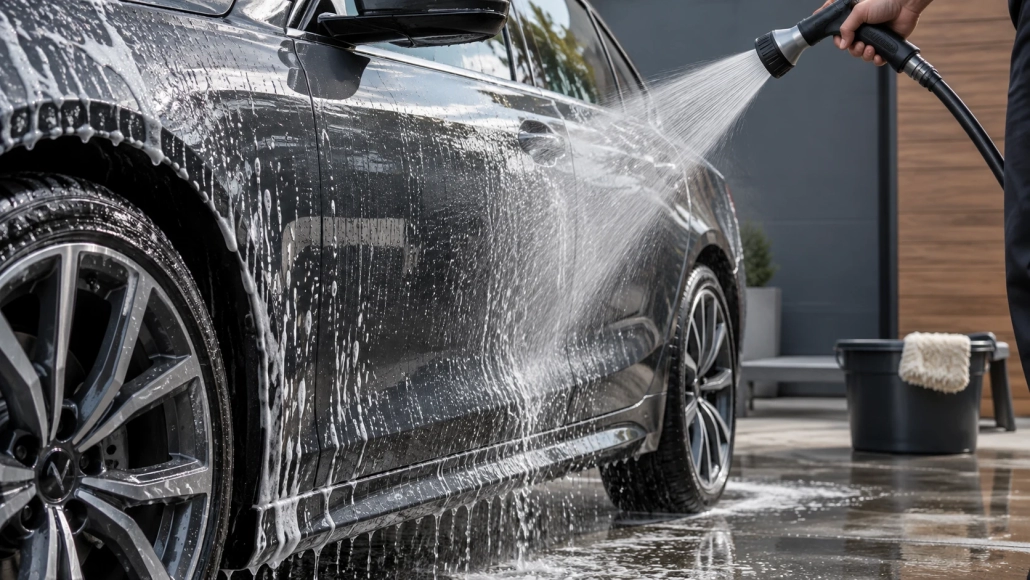
Improve rinse consistency around mirrors, seams and lower panels before diagnosing streaks or weak water behaviour on a coated car.

 Headlight Protection After Restoration: What Must Be Verified