Ceramic Coating vs PPF: Which Protection Does Your Car Need?
Compare the roles of ceramic coating and paint protection film, including impact protection, cleaning, appearance and compatibility when combining them.
Updated · NANOLAB Knowledge
Different jobs on the same vehicle
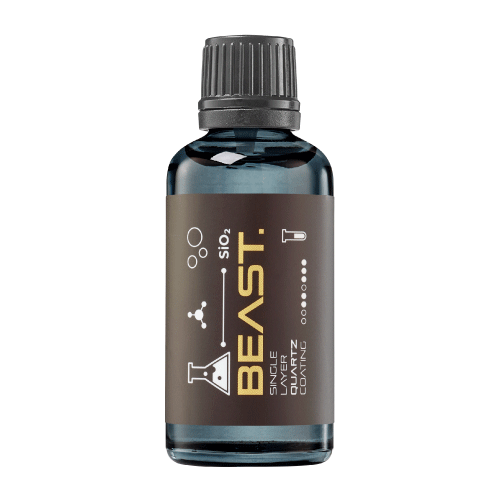
Paint protection film, or PPF, is a film applied over selected vehicle surfaces. It provides a physical barrier against some abrasion and impacts, depending on the film and force involved. Ceramic coating is a much thinner surface treatment primarily selected for properties such as cleaning behaviour and finish enhancement. Neither makes a vehicle immune to damage.
A driver covering long motorway distances may prioritise physical protection on the front bumper and bonnet. Someone struggling with routine washing may prioritise a compatible ceramic coating and better wash technique. These needs can exist together.
Compare the complete proposal
- Identify the panels receiving film and the panels receiving coating.
- Specify whether the finish is glossy, satin or matte.
- Ask how existing paint defects will be addressed before installation.
- Confirm whether the coating is approved for the particular film.
- Record separate installation, aftercare and warranty requirements.
Do not assume a product suitable for paint is suitable for every film. Existing film top layers, age and condition can affect the decision. Loose edges and installation faults need attention before adding a coating.
Combining film and coating
A compatible coating may make the film’s outer surface easier to clean. It cannot reattach a lifted edge or eliminate trapped debris. Agree on installation order and waiting times with the installer, then maintain film edges carefully during pressure washing. A useful package describes the work and limits clearly rather than treating a coating as equivalent to impact-resistant film.