






A full polishing range.
From cutting and one-step correction to final finishing.
Specialist chemistry. Expert application.
 QUARTZ99 / CERAMIC BASE COAT
The foundation of your coating system.
A layerable quartz base coat designed for mechanical protection. Pair it with a suitable top coat to create the final finish.
For application by NANOLAB certified installers only.
Four formulas. Extended working time. Find the coating for your finish.
Explore the BEAST family of ceramic coatings.
Find the coating for each exterior surface.
 PPF & VINYLGLOSSProtection for glossy films and wraps.Discover
 MATTE & SATINMATTEProtection that respects the finish.Discover
 GLASSWINDOWSExplore dedicated glass protection.Discover
 WHEEL PROTECTIONWHEELSA dedicated coating for your wheels.Discover
 TRIM PROTECTIONPLASTICProtection for plastic surfaces.Discover
Dedicated care for the surfaces inside.
 LEATHER SURFACESLEATHERDiscover NANOLAB leather protection.Discover PLASTIC SURFACESPLASTICProtection for interior plastic surfaces.Discover TEXTILE SURFACESFABRICExplore the latest fabric formulation.Discover
Spray protection, maintenance and upcoming wash products.
 MAINTENANCEBEAST 365Explore the BEAST maintenance range.Discover
Next in washing, cleaning & care.
Ceramic protection for boats and yachts.
An easy-to-apply ceramic coating with an established track record on boats and yachts around the world.
Results vary with surface preparation, exposure and maintenance.
Read 50 MARINE guides →Explore MARINEProtection for the surfaces you live with.
A look at what we’re developing.
From cutting and one-step correction to final finishing.
A wider range for professional vehicle care.
Taking shape alongside BEAST & MATRIX.
Practical guidance for your next coating project.
Explore all guides →
Separate observations, assumptions and requested outcomes before deciding the next investigation step.
Updated · NANOLAB Knowledge
A coating complaint deserves an investigation that separates evidence from blame. The customer may be frustrated, and the workshop may have a plausible explanation, but neither reaction establishes the cause. Begin with a shared record of what was observed.
Identify the product, surface, application and maintenance dates where known. Record when the concern first appeared and what actions followed. Preserve unknown details as unknown. Ask for relevant photographs or records without requiring the customer to produce information they could not reasonably have known to keep.
List possible questions to investigate rather than selecting a cause prematurely. For example, recent cleaning may be relevant without proving that the customer caused the issue. Equally, an appearance change does not automatically prove a product defect. Define which evidence would help distinguish the possibilities.
Choose an inspection, document review or manufacturer consultation appropriate to the exact case. State who will contact the customer and when the next update is expected. Record the result and any remaining uncertainty. This approach supports a fair technical decision and clearer communication. It does not prevent decisive action; it makes the action traceable to evidence instead of a defensive assumption made at the beginning of the conversation.
Facts include dates, product identity, recorded application steps, photographs and reported events. Hypotheses include possible preparation, cleaning, exposure or application factors that still need assessment. Keep them visibly separate in the complaint record.
Ask what evidence would support or weaken each hypothesis before recommending an intervention. If information is missing, say so rather than filling the gap with a confident story. Communicate the next step and who owns it. The aim is a fair, useful investigation that can resolve the customer's concern and improve the process, not a rapid assignment of fault based on one image, one anecdote or the last product applied.
Share product details and observations with NANOLAB. For supporting information, review the current product documentation and the coating maintenance guides.
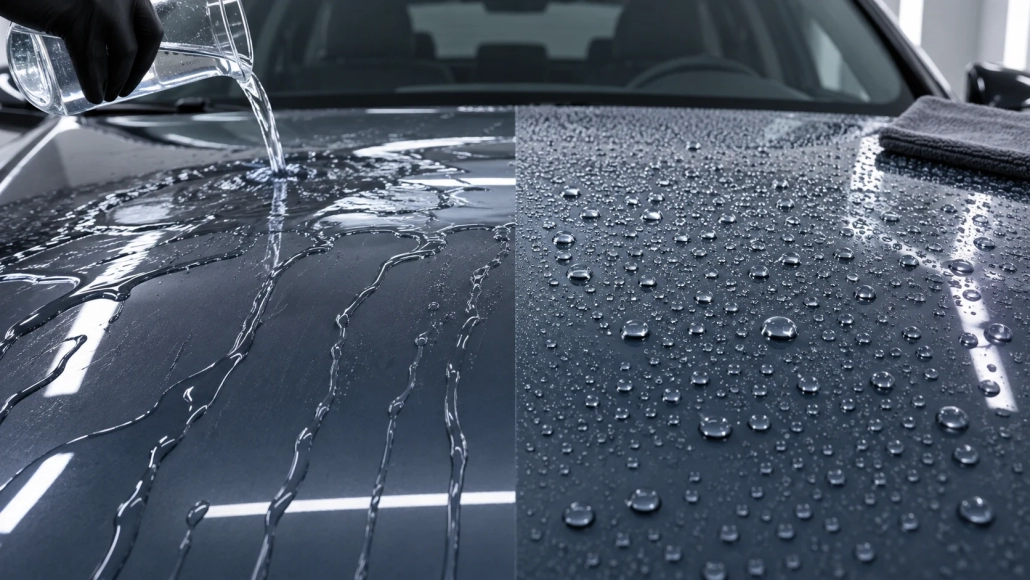
Compare water behaviour on coated surfaces under consistent cleaning, flow and viewing conditions while recognising the test's limits.
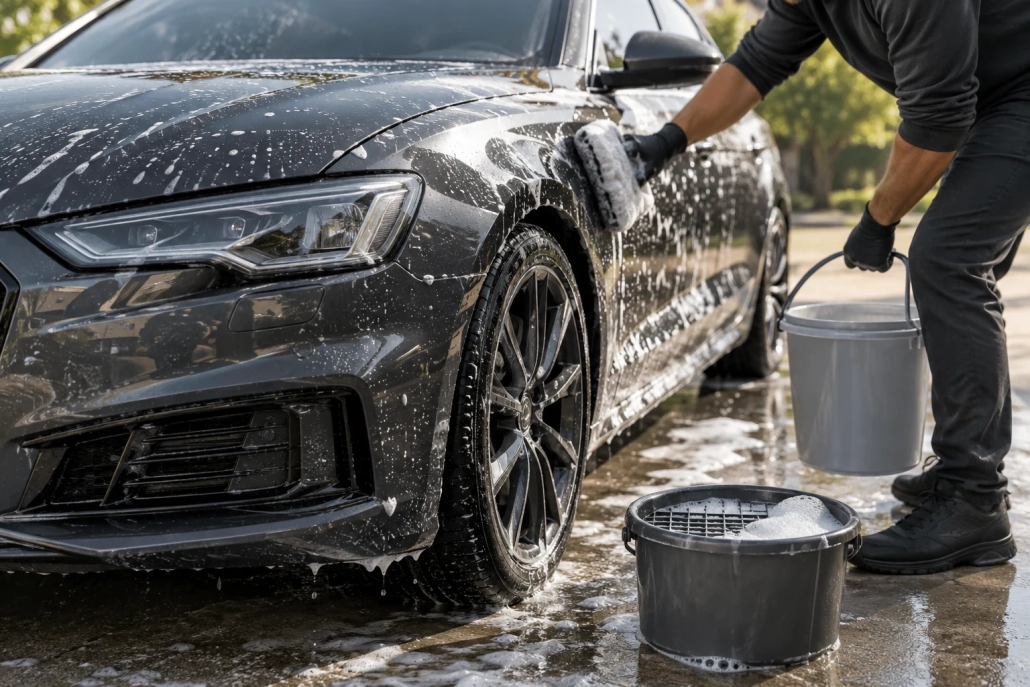
Build a gentle wash routine that removes loose grit before contact, keeps wheel tools separate and ends with careful rinsing and drying.
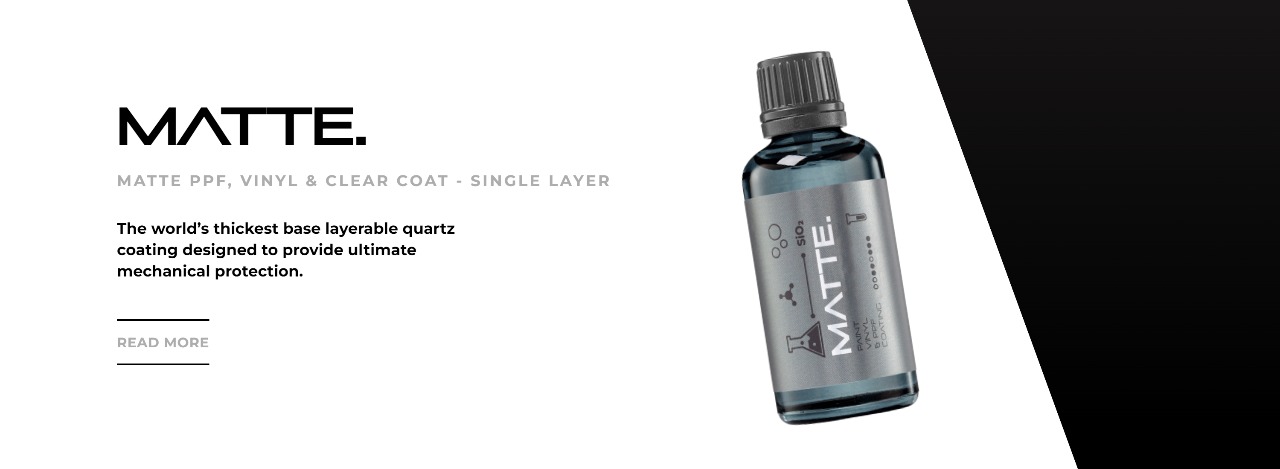
Reconstruct product history before recommending another maintenance layer.