






A full polishing range.
From cutting and one-step correction to final finishing.
Specialist chemistry. Expert application.
 QUARTZ99 / CERAMIC BASE COAT
The foundation of your coating system.
A layerable quartz base coat designed for mechanical protection. Pair it with a suitable top coat to create the final finish.
For application by NANOLAB certified installers only.
Four formulas. Extended working time. Find the coating for your finish.
Explore the BEAST family of ceramic coatings.
Find the coating for each exterior surface.
 PPF & VINYLGLOSSProtection for glossy films and wraps.Discover
 MATTE & SATINMATTEProtection that respects the finish.Discover
 GLASSWINDOWSExplore dedicated glass protection.Discover
 WHEEL PROTECTIONWHEELSA dedicated coating for your wheels.Discover
 TRIM PROTECTIONPLASTICProtection for plastic surfaces.Discover
Dedicated care for the surfaces inside.
 LEATHER SURFACESLEATHERDiscover NANOLAB leather protection.Discover PLASTIC SURFACESPLASTICProtection for interior plastic surfaces.Discover TEXTILE SURFACESFABRICExplore the latest fabric formulation.Discover
Spray protection, maintenance and upcoming wash products.
 MAINTENANCEBEAST 365Explore the BEAST maintenance range.Discover
Next in washing, cleaning & care.
Ceramic protection for boats and yachts.
An easy-to-apply ceramic coating with an established track record on boats and yachts around the world.
Results vary with surface preparation, exposure and maintenance.
Read 50 MARINE guides →Explore MARINEProtection for the surfaces you live with.
A look at what we’re developing.
From cutting and one-step correction to final finishing.
A wider range for professional vehicle care.
Taking shape alongside BEAST & MATRIX.
Practical guidance for your next coating project.
Explore all guides →
Plan correction on painted plastic bumpers around finish identity, access and component behaviour instead of copying the metal-panel process automatically.
Updated · NANOLAB Knowledge
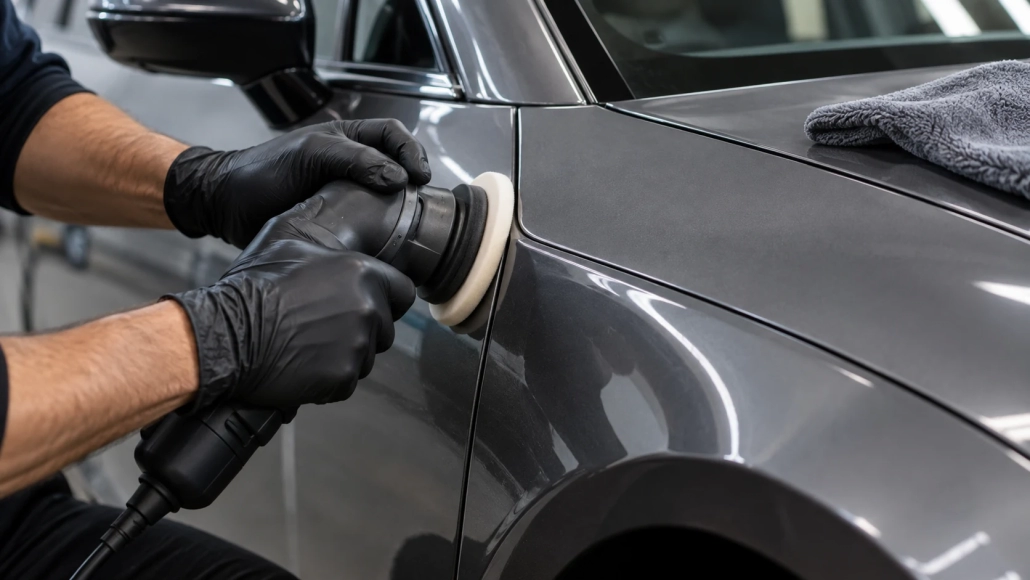
A painted bumper can look like the surrounding bodywork while behaving differently during correction. The substrate, contours, repair history and available access deserve separate attention. Confirm that the surface is painted and suitable before using a paint-polishing system.
Bumpers often combine painted sections, textured plastic, grilles, sensors and trim. Map those materials instead of treating the whole assembly as one panel.
Inspect chips, repair transitions and sharp moulded features. Protect adjacent areas using compatible methods and maintain clearance from components not being polished.
A successful metal-panel test does not validate the bumper. Use a conservative supported test on an appropriate accessible area.
Monitor the actual component response and follow product and equipment limits. Do not invent a universal temperature or pass allowance for all plastic parts.
Use an approved tool and pad arrangement that can maintain controlled contact. Tight curves may require a smaller system or an alternative appropriate method.
Avoid forcing a broad pad into a recess or leaning on its edge to reach a defect. The backing plate and tool body must remain clear of neighbouring surfaces.
After residue removal, assess correction, haze and consistency around contours. Record areas where deeper damage or access limitations justify leaving defects.
A painted bumper may also have a different repair history from the rest of the vehicle. If its response is uncertain, seek paint-specific guidance rather than escalating.
The goal is an even, achievable improvement that respects the component. A visually matching finish does not require identical machine settings, and a narrow defect near a moulded edge should not dictate aggressive treatment across the entire bumper.
Inspect white paint with controlled lighting and separate contamination, swirls and clarity before choosing the correction process.
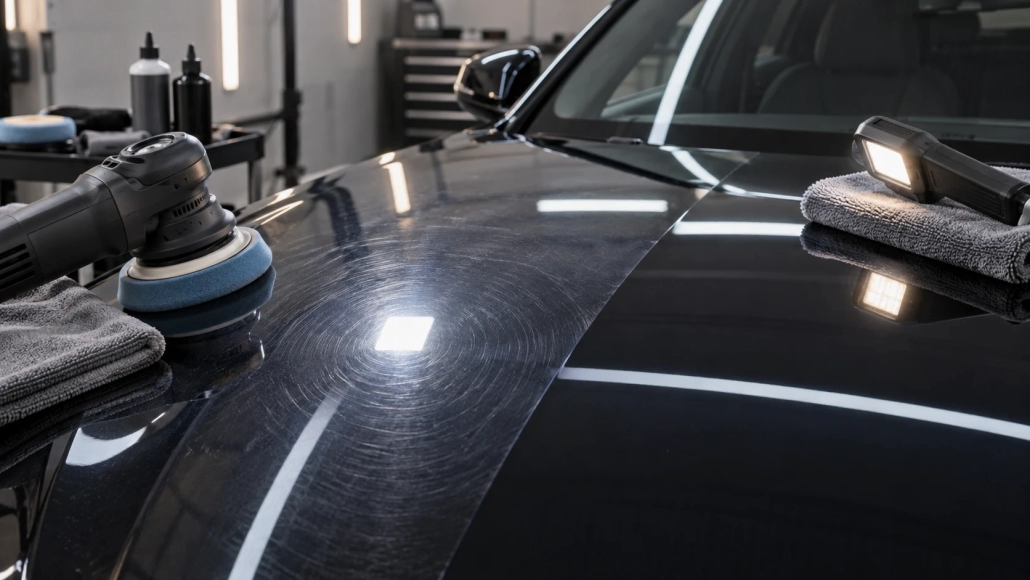
Assess glossy black trim by material, coating and access, then test a suitable process without assuming it is ordinary body-panel clear coat.
Plan paint correction around panel edges, sharp body lines and adjacent trim to reduce unnecessary abrasion and tool contact.

 Polishing Piano Black Trim: Identify the Finish Before Correction