






A full polishing range.
From cutting and one-step correction to final finishing.
Specialist chemistry. Expert application.
 QUARTZ99 / CERAMIC BASE COAT
The foundation of your coating system.
A layerable quartz base coat designed for mechanical protection. Pair it with a suitable top coat to create the final finish.
For application by NANOLAB certified installers only.
Four formulas. Extended working time. Find the coating for your finish.
Explore the BEAST family of ceramic coatings.
Find the coating for each exterior surface.
 PPF & VINYLGLOSSProtection for glossy films and wraps.Discover
 MATTE & SATINMATTEProtection that respects the finish.Discover
 GLASSWINDOWSExplore dedicated glass protection.Discover
 WHEEL PROTECTIONWHEELSA dedicated coating for your wheels.Discover
 TRIM PROTECTIONPLASTICProtection for plastic surfaces.Discover
Dedicated care for the surfaces inside.
 LEATHER SURFACESLEATHERDiscover NANOLAB leather protection.Discover PLASTIC SURFACESPLASTICProtection for interior plastic surfaces.Discover TEXTILE SURFACESFABRICExplore the latest fabric formulation.Discover
Spray protection, maintenance and upcoming wash products.
 MAINTENANCEBEAST 365Explore the BEAST maintenance range.Discover
Next in washing, cleaning & care.
Ceramic protection for boats and yachts.
An easy-to-apply ceramic coating with an established track record on boats and yachts around the world.
Results vary with surface preparation, exposure and maintenance.
Read 50 MARINE guides →Explore MARINEProtection for the surfaces you live with.
A look at what we’re developing.
From cutting and one-step correction to final finishing.
A wider range for professional vehicle care.
Taking shape alongside BEAST & MATRIX.
Practical guidance for your next coating project.
Explore all guides →
Check heat exposure, factory finishes and food-contact exclusions before considering a coating for an outdoor grill's stainless exterior.
Updated · NANOLAB Knowledge
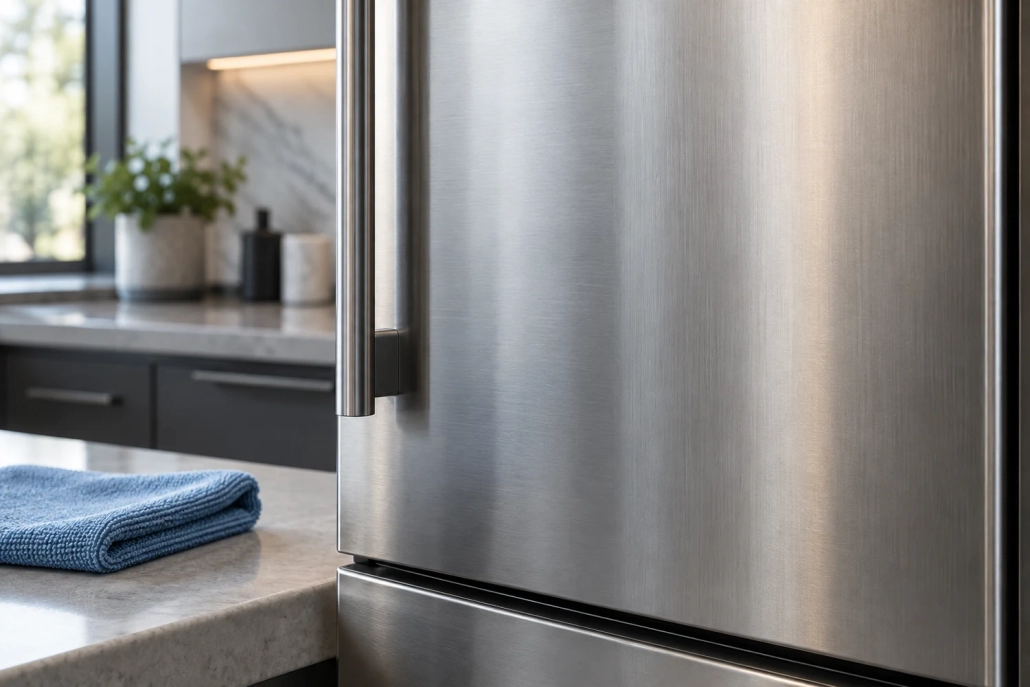
An outdoor grill includes cosmetic exterior panels, hot zones, controls and food-contact surfaces. Ceramic or nano coating suitability must be confirmed for the exact intended area. Approval for a stainless appliance exterior should not be extended automatically to the whole grill.
Identify the panel material and any factory clear or fingerprint-resistant finish. Note areas near vents, burners and other heat sources. Keep cooking surfaces and any food-contact application outside the scope unless the exact product explicitly supports that use.
Check the appliance manufacturer’s care requirements and the coating’s temperature and application limits. Do not infer heat suitability from the word ceramic or from a coating intended for vehicle wheels.
Perform cleaning only under the appliance’s permitted conditions. Remove identified grease through compatible methods and inspect the finish after drying. Existing corrosion, damaged coatings or sharp defects need assessment before cosmetic protection.
Test an approved discreet exterior area where practical. Evaluate appearance after curing and confirm that the proposed process does not affect labels, controls, seals or adjacent materials.
Use NANOLAB Stainless Steel Nano Coating as the starting point for a suitability enquiry, providing the actual location and expected exposure. If that use is not confirmed, retain the manufacturer’s normal cleaning routine without adding the coating.
Where treatment is supported, document the exact panels and required waiting period before appliance use. Explain that surface protection does not replace grease management, cleaning or the appliance’s operating and maintenance instructions.
An oven's exterior contains parts with different temperatures, finishes and functions.
Assess adhesive residue and the actual stainless finish after transport film is removed, before adding a suitable nano coating.
Assess panel orientation and finish variation before expecting a nano coating to make adjacent stainless surfaces look identical.

 Ceramic Coating for Chrome-Plated Bumpers