
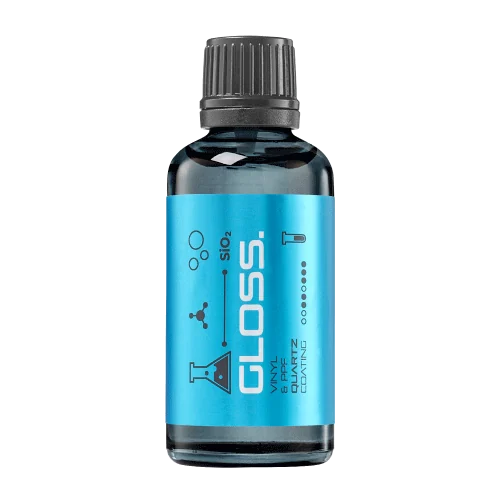
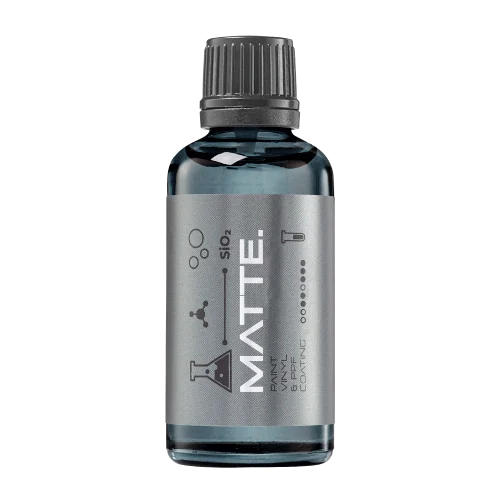
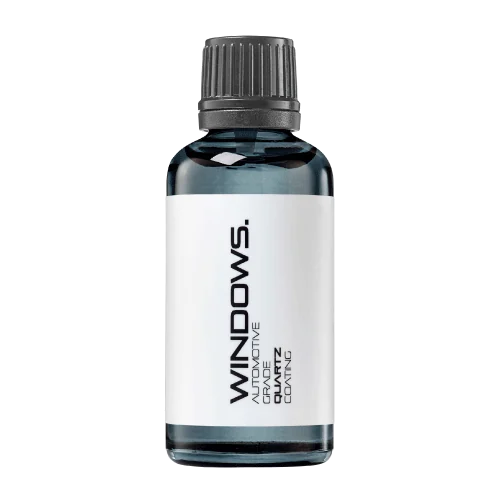
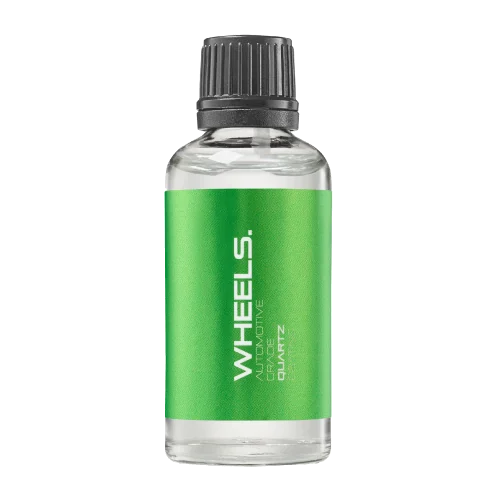
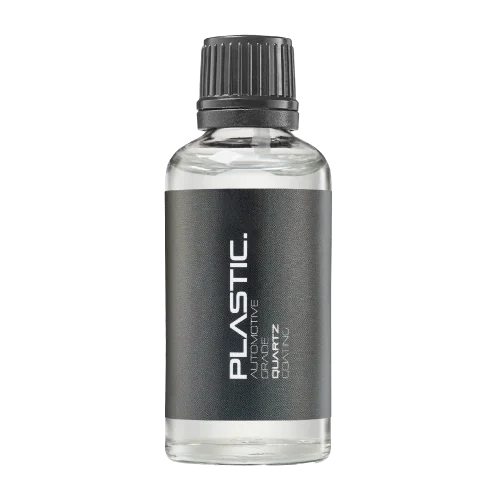
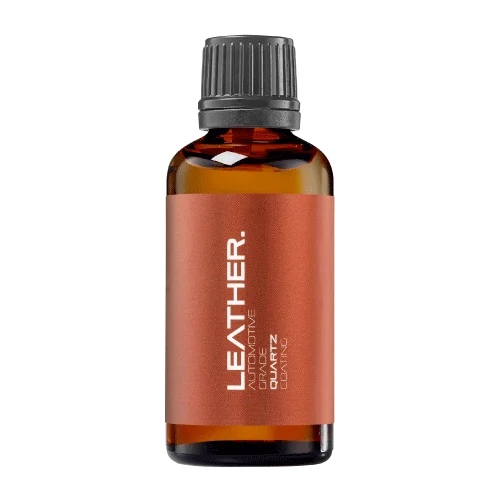

Nano coating and ceramic coating are not two mutually exclusive technologies. “Nano” describes a scale or structure; “ceramic” describes a broad material or coating category. A product can be both. Neither name, by itself, tells you how long a coating lasts, how thick the cured layer is or whether it suits your surface.
For a useful comparison, check the exact product’s intended surface, finish, application process, curing schedule and documented performance.
Nano vs ceramic coating: the practical difference
| Term | What it describes | What it does not establish |
|---|---|---|
| Nano | A description associated with very small-scale material features. Its precise meaning needs product-specific evidence. | Finished-film thickness, service life, scratch resistance or a universal quality grade. |
| Ceramic coating | A broad coating category used across different formulations and applications. | That every product has the same chemistry, working time or surface compatibility. |
| Nano ceramic coating | Terms used together to describe a coating; they are not necessarily competing categories. | That the entire cured layer is nanoscale, or that the name proves a particular performance level. |
| Spray, bottle or applicator format | How a product is packaged or applied. | Whether it is a stand-alone coating, base coat or maintenance product. |
Does “nano” mean a thinner coating?
Not automatically. The National Nanotechnology Coordination Office describes the nanoscale as approximately 1–100 nanometres. This is background terminology, not a measurement of any NANOLAB formula or its cured film. A feature within a material and the thickness of the complete deposited layer are different measurements.
To assess a numerical thickness claim, ask which product was tested, whether the result concerns wet or cured film, and which measurement method was used. See how ceramic coating thickness is measured.
Compare products using five useful questions
- Is it approved for this surface and finish? Gloss paint, matte paint, glass, plastic, vinyl and PPF can require different products. Check compatibility with both the substrate and any existing treatment.
- What role does it serve? Identify whether it is a base coat, a stand-alone coating or a maintenance top coat. Do not treat those roles as interchangeable.
- Can you follow the application process? Compare preparation, levelling and the working window under your actual temperature, humidity and airflow.
- What happens after application? Vehicle release, first washing and full cure are separate milestones. Read the ceramic coating cure-time guide.
- What supports the performance claims? Ask for product-specific documentation and relevant test conditions. A water-beading demonstration does not establish every aspect of long-term protection.
NANOLAB examples: choose by application
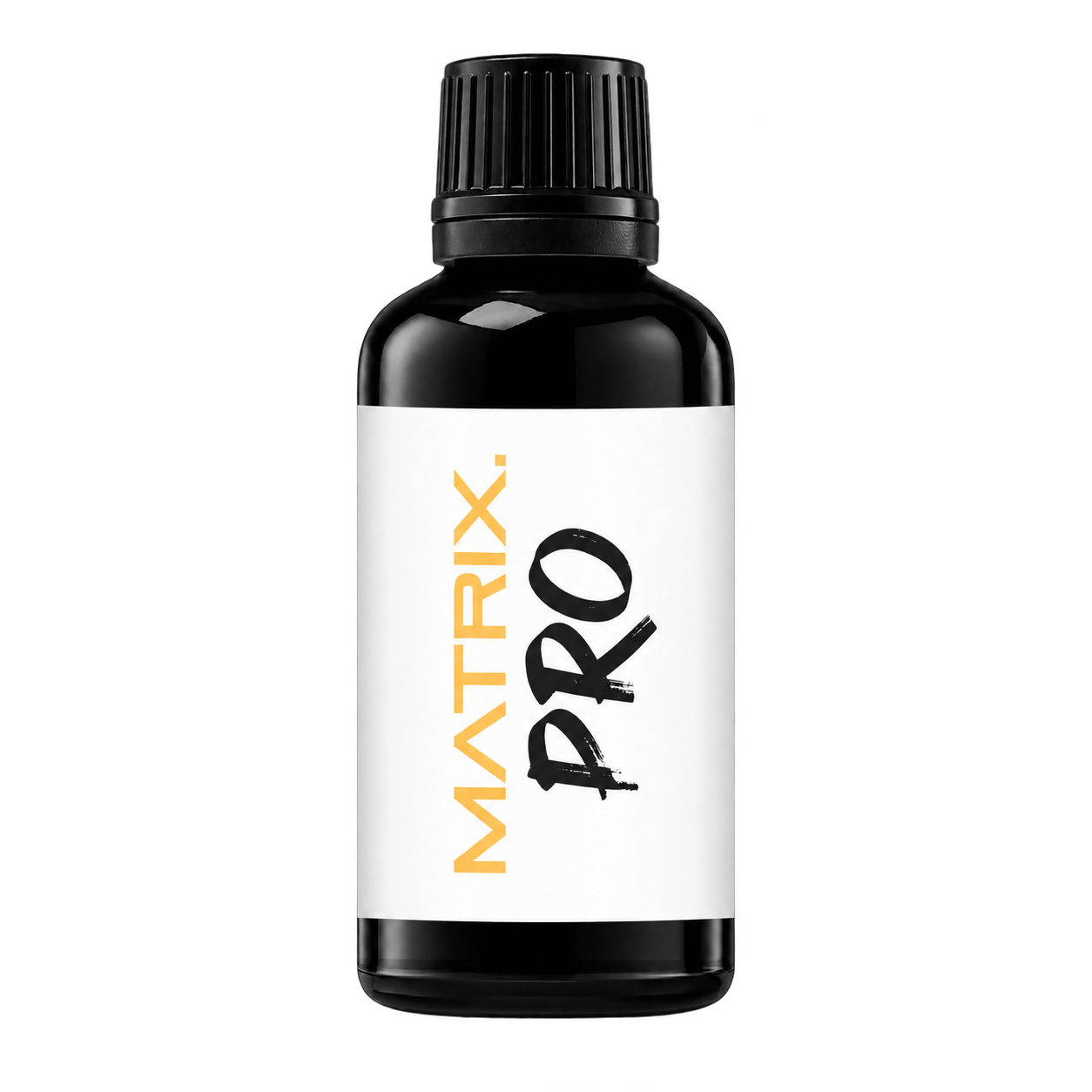
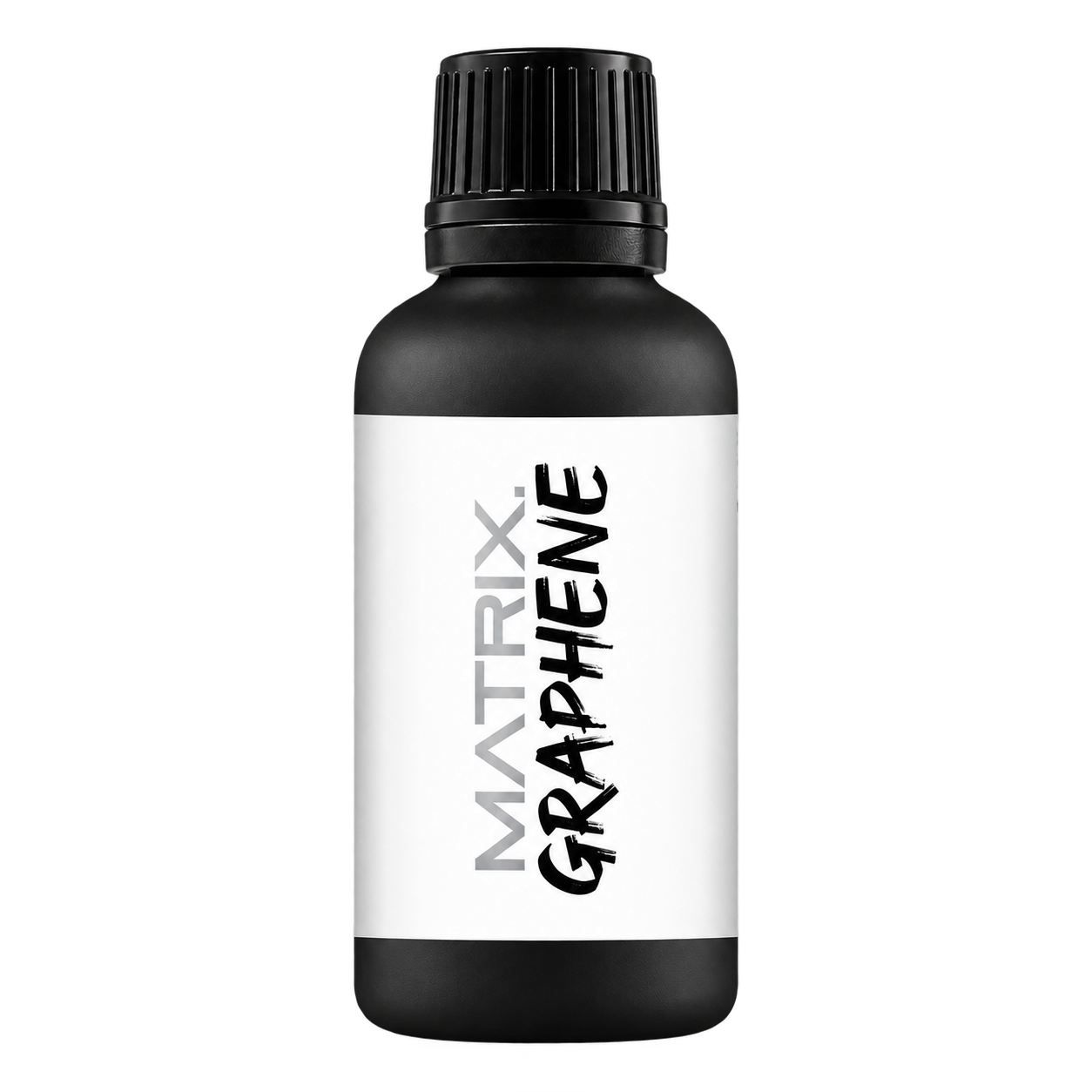
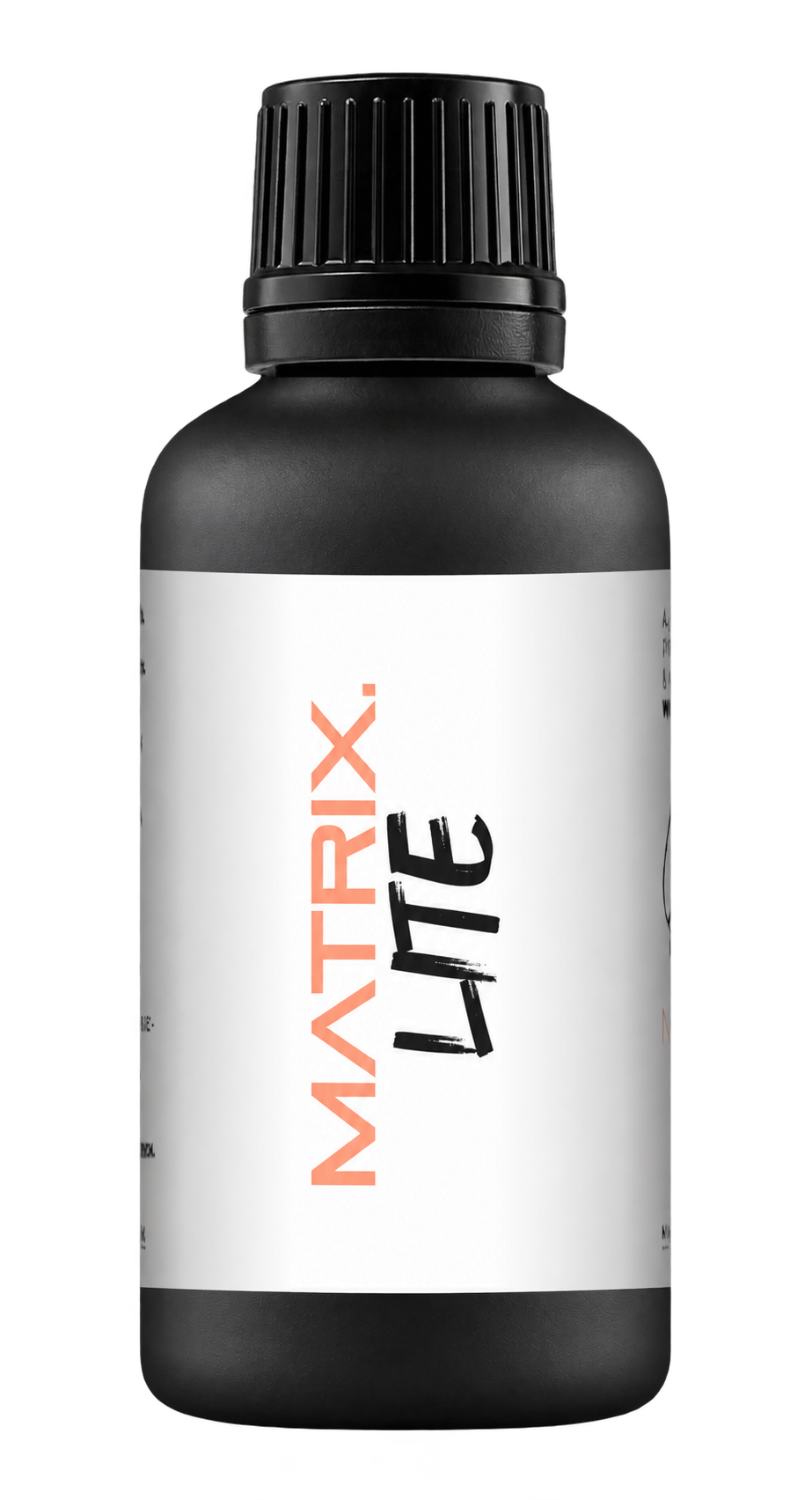
The MATRIX PRO P5012 product page specifies glossy finishes and excludes matte or satin surfaces where added gloss is undesirable. The MATRIX comparison lists gloss-and-matte compatibility for MATRIX LITE P303 and MATRIX GRAPHENE P503G. Those distinctions are more useful than assuming one label is always better than another.
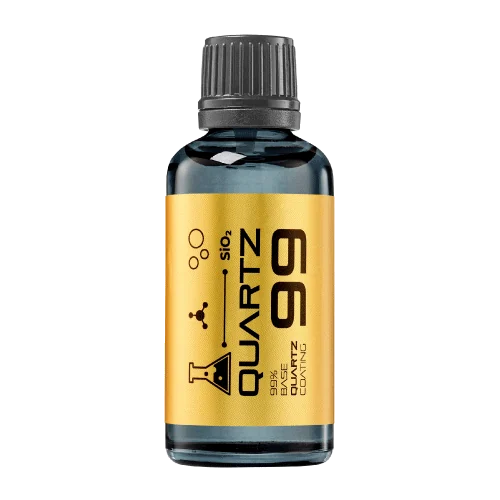
QUARTZ99 has a different system role: it is a base coat and is not hydrophobic on its own. Read the QUARTZ99 base-coat guide and the MATRIX range comparison before choosing. Use the current technical data sheets and safety documents for the exact product.
Frequently asked questions
Is nano coating better than ceramic coating?
There is no reliable winner based on those names alone. Compare two specific products for the same surface, intended use and maintenance routine, using their documented instructions and performance.
Does ceramic coating make paint scratch-proof?
No. A coating does not remove the risk of scratches, stone impacts or water spots, and it does not eliminate washing. Protection claims and warranty coverage need to be read with their conditions.
How should I describe a private-label coating?
Describe what the approved formula is designed to do, its compatible surfaces and the application and care requirements you can support. Do not add thickness, durability or test claims based only on the words “nano” or “ceramic”.
Find the right next step
For an installation, ask NANOLAB about your surface and conditions. For your own brand, explore private-label ceramic coatings and OEM manufacturing and request suitable samples before selecting your range.