
A full polishing range.
From cutting and one-step correction to final finishing.
Specialist chemistry. Expert application.
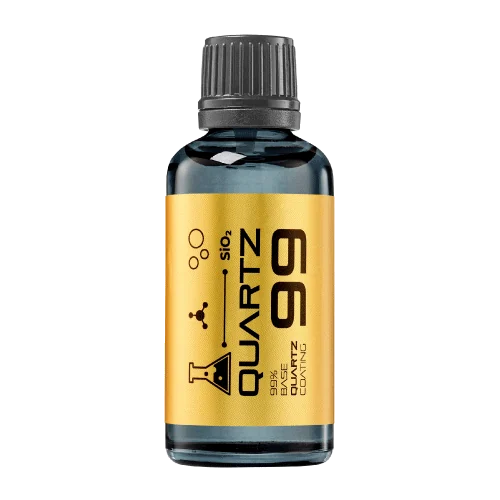 QUARTZ99 / CERAMIC BASE COAT
The foundation of your coating system.
A layerable quartz base coat designed for mechanical protection. Pair it with a suitable top coat to create the final finish.
For application by NANOLAB certified installers only.
Four formulas. Extended working time. Find the coating for your finish.
Explore the BEAST family of ceramic coatings.
Find the coating for each exterior surface.
 PPF & VINYLGLOSSProtection for glossy films and wraps.Discover
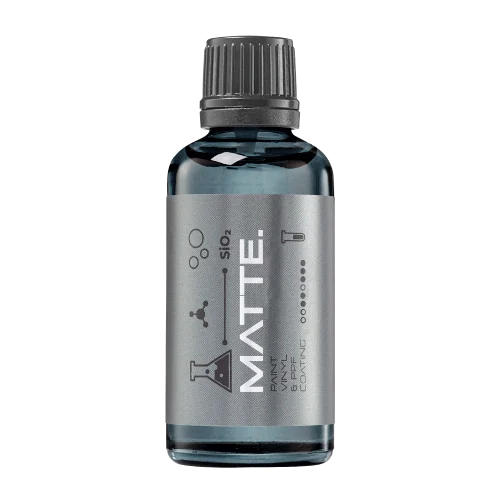 MATTE & SATINMATTEProtection that respects the finish.Discover
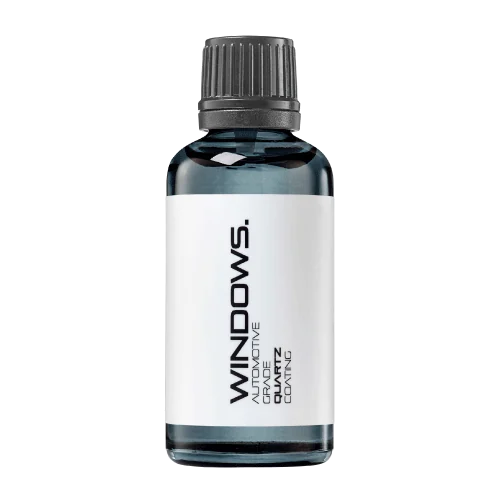 GLASSWINDOWSExplore dedicated glass protection.Discover
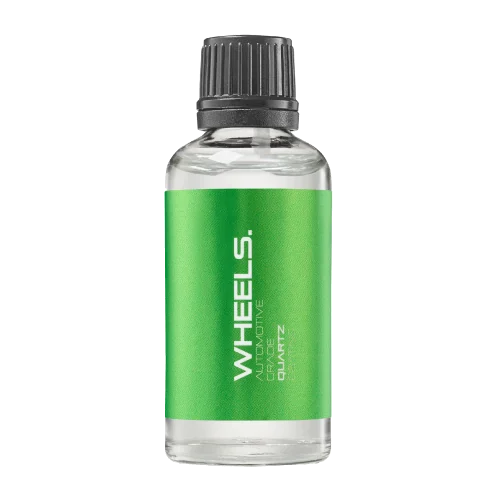 WHEEL PROTECTIONWHEELSA dedicated coating for your wheels.Discover
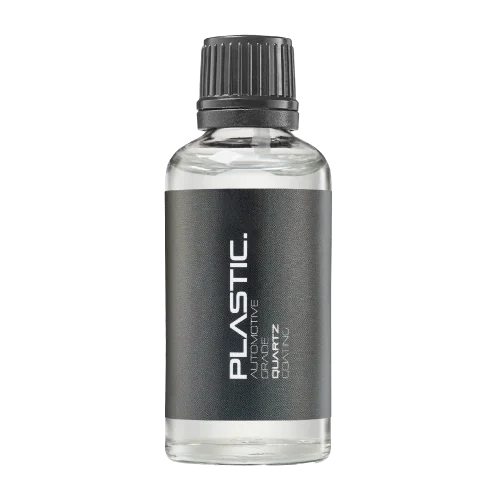 TRIM PROTECTIONPLASTICProtection for plastic surfaces.Discover
Dedicated care for the surfaces inside.
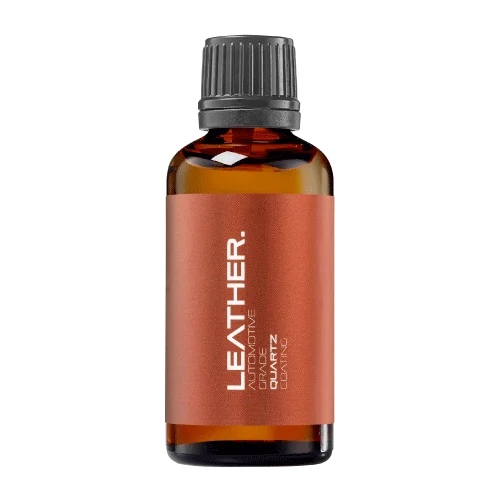 LEATHER SURFACESLEATHERDiscover NANOLAB leather protection.Discover PLASTIC SURFACESPLASTICProtection for interior plastic surfaces.Discover TEXTILE SURFACESFABRICExplore the latest fabric formulation.Discover
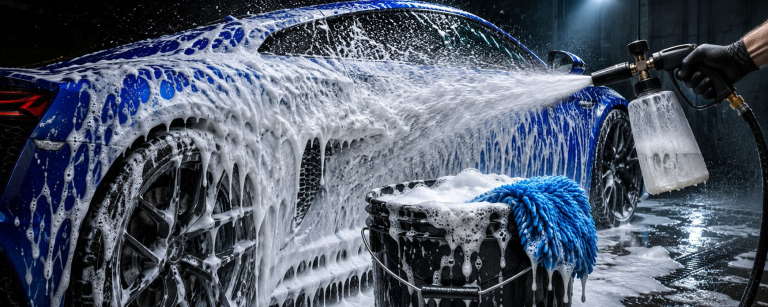 Preview all six shampoos →
Spray protection, maintenance and upcoming wash products.
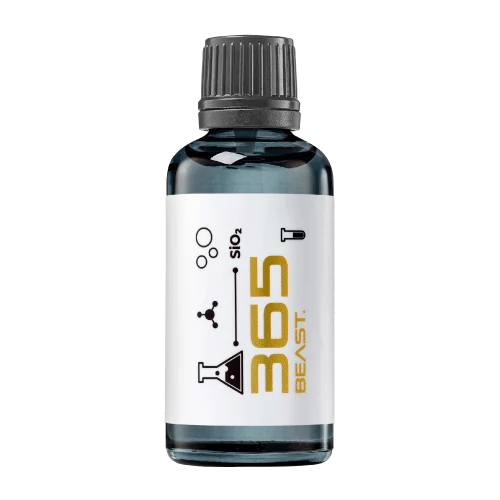 MAINTENANCEBEAST 365Explore the BEAST maintenance range.Discover
Next in washing, cleaning & care.
Ceramic protection for boats and yachts.
An easy-to-apply ceramic coating with an established track record on boats and yachts around the world.
Results vary with surface preparation, exposure and maintenance.
Read 50 MARINE guides →Explore MARINEProtection for the surfaces you live with.
A look at what we’re developing.
From cutting and one-step correction to final finishing.
A wider range for professional vehicle care.
Taking shape alongside BEAST & MATRIX.
Practical guidance for your next coating project.
Explore all guides →
Calculate surfactant active matter with a worked mass balance, distinguish concentrate from use dilution, and assess supplier-grade changes.
Updated · NANOLAB Knowledge
Surfactant active matter is the mass of the specified active surfactants, not the total mass of the raw materials poured into a batch. Calculate each raw material’s contribution, add the contributions and divide by the final batch mass. This gives a formulation-accounting value; it does not, by itself, predict cleaning performance or surface compatibility.
| Percentage | Denominator | Question it answers |
|---|---|---|
| Supplier raw-material active content | Mass of that supplied raw material | How much specified active material is in the ingredient? |
| Finished-concentrate active matter | Mass of the completed formulation | How much active surfactant is in the bottle? |
| Working-solution active matter | Mass of the diluted solution | How much active surfactant is present at the chosen dilution? |
Supplier products are not necessarily supplied at 100% active content. For example, BASF describes Glucopon 625 UP as an approximately 50% liquid. That product example illustrates the distinction; use the current specification or relevant batch certificate for the actual raw material you are calculating.
The following is fictional arithmetic, not a ready-to-manufacture shampoo formula. Assume a final 10.000 kg batch contains three surfactant raw materials. Their stated active fractions are hypothetical and do not identify commercial grades.
| Input | Mass charged | Active fraction | Active contribution |
|---|---|---|---|
| Raw material A | 1.500 kg | 70% | 1.050 kg |
| Raw material B | 0.800 kg | 30% | 0.240 kg |
| Raw material C | 0.400 kg | 50% | 0.200 kg |
| Total | 2.700 kg raw materials | — | 1.490 kg actives |
Finished active matter = 1.490 ÷ 10.000 × 100 = 14.9% by mass. Calling this “27% active” because the three supplied raw materials total 2.700 kg would confuse ingredient addition with active content.
If 100 g of that concentrate is mixed with 9,900 g water, the final mixture is 10,000 g. It contains 14.9 g active surfactant, or 0.149% by mass. This is a mass-based example. Do not substitute 100 mL for 100 g without considering density.
Suppose raw material A changes from 70% to 68% active while its 1.500 kg charge stays unchanged. Its contribution becomes 1.020 kg. Total calculated actives fall to 1.460 kg, or 14.6% of the same 10.000 kg batch.
To preserve A’s original 1.050 kg active contribution mathematically, 1.050 ÷ 0.68 = approximately 1.544 kg of the replacement is required. A fixed-size batch then needs a corresponding mass adjustment elsewhere. This calculation does not authorize a substitution: the replacement may differ in composition, salt, water, impurities or processing behavior. A formulator must assess those differences and validate the revised product.
Do not silently equate surfactant active matter with total solids or nonvolatile residue. Other ingredients can contribute to a residue measurement. The distinction is discussed in active and nonvolatile content.
Active matter helps compare composition and investigate an unexpected dosing change. It does not rank two different surfactant systems fairly on its own. One blend may need a different dose to meet the same cleaning, rinsing and compatibility requirements. Compare those outcomes at the intended working dilution using a controlled shampoo trial.
For a private-label project, put the calculation basis and desired performance into the development brief. Keep label directions tied to a validated finished formulation, not just to a target percentage in a spreadsheet.
 Car Shampoo Salt Curves: Design a Useful Viscosity Study