






A full polishing range.
From cutting and one-step correction to final finishing.
Specialist chemistry. Expert application.
 QUARTZ99 / CERAMIC BASE COAT
The foundation of your coating system.
A layerable quartz base coat designed for mechanical protection. Pair it with a suitable top coat to create the final finish.
For application by NANOLAB certified installers only.
Four formulas. Extended working time. Find the coating for your finish.
Explore the BEAST family of ceramic coatings.
Find the coating for each exterior surface.
 PPF & VINYLGLOSSProtection for glossy films and wraps.Discover
 MATTE & SATINMATTEProtection that respects the finish.Discover
 GLASSWINDOWSExplore dedicated glass protection.Discover
 WHEEL PROTECTIONWHEELSA dedicated coating for your wheels.Discover
 TRIM PROTECTIONPLASTICProtection for plastic surfaces.Discover
Dedicated care for the surfaces inside.
 LEATHER SURFACESLEATHERDiscover NANOLAB leather protection.Discover PLASTIC SURFACESPLASTICProtection for interior plastic surfaces.Discover TEXTILE SURFACESFABRICExplore the latest fabric formulation.Discover
Spray protection, maintenance and upcoming wash products.
 MAINTENANCEBEAST 365Explore the BEAST maintenance range.Discover
Next in washing, cleaning & care.
Ceramic protection for boats and yachts.
An easy-to-apply ceramic coating with an established track record on boats and yachts around the world.
Results vary with surface preparation, exposure and maintenance.
Read 50 MARINE guides →Explore MARINEProtection for the surfaces you live with.
A look at what we’re developing.
From cutting and one-step correction to final finishing.
A wider range for professional vehicle care.
Taking shape alongside BEAST & MATRIX.
Practical guidance for your next coating project.
Explore all guides →
Identify the wheel finish and care requirements rather than inferring compatibility from metal type.
Updated · NANOLAB Knowledge
Aftermarket wheels may carry different finishes even when they are made from the same underlying metal. A coating enquiry should identify the visible finish and its care requirements. Material alone does not establish the appropriate treatment.
Ask for the manufacturer, model and finish details where available. Record repairs, refinishing and existing treatments. Include the areas proposed for cosmetic protection. Do not infer compatibility from a photograph or assume a wheel's original specification describes a later repaired surface.
Use the wheel manufacturer's guidance alongside the proposed coating's current instructions. Identify adjacent components and operational areas that are outside the cosmetic treatment. For example, approval for a decorative wheel surface should not be interpreted as approval for braking or mating surfaces.
Resolve uncertain finish information before application or define an appropriate manufacturer-supported assessment. Record the selected product and care handover for the actual finish. Keep later repair or refinishing changes visible in the vehicle's maintenance history. The aim is a recommendation that respects the wheel as an assembly with a specific finish and function, rather than treating every metal-looking part as an interchangeable coating surface.
Obtain the wheel manufacturer's finish information where available and record repairs or previous treatments. Separate decorative wheel surfaces from tyres, braking components, mounting faces and other functional areas. Do not infer broad suitability from the phrase wheel coating.
Ask the supplier for the approved preparation and application scope for that finish. If the wheel has a specialist or uncertain surface treatment, resolve it before proceeding. Keep the installed product and treated areas in the job record. This is particularly useful when aftermarket wheels differ from the vehicle's original specification and when a future refurbishment changes the surface without changing the wheel's familiar appearance.
Ask NANOLAB about the identified surfaces. For supporting information, review the current product documentation and the coating selection guides.
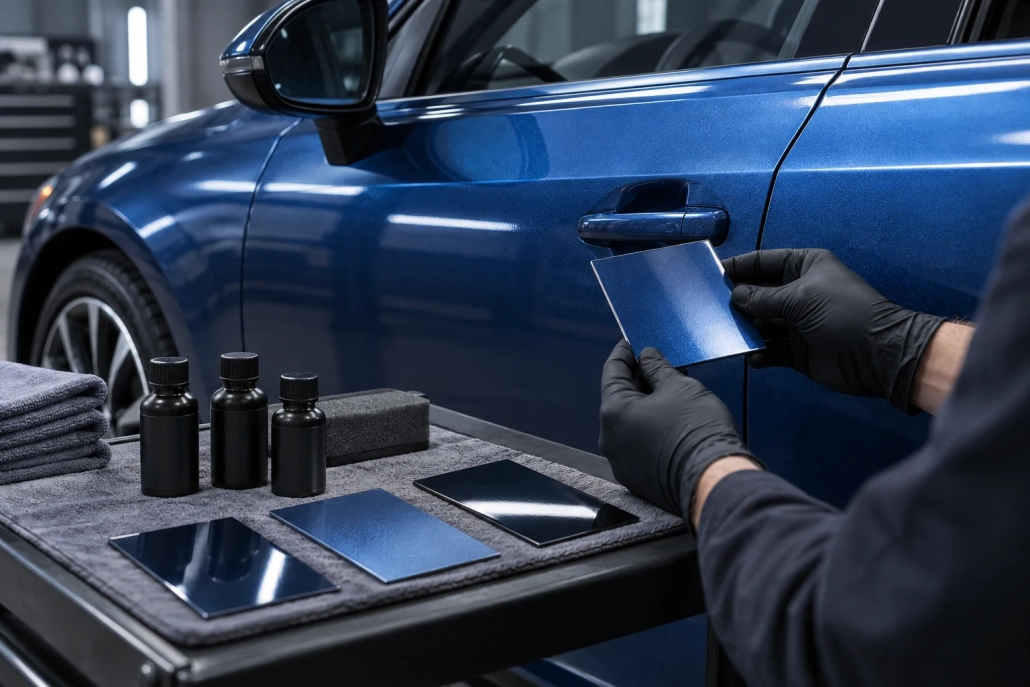
Use surface type, desired finish, installation conditions and maintenance needs to narrow the choice to a suitable NANOLAB coating.
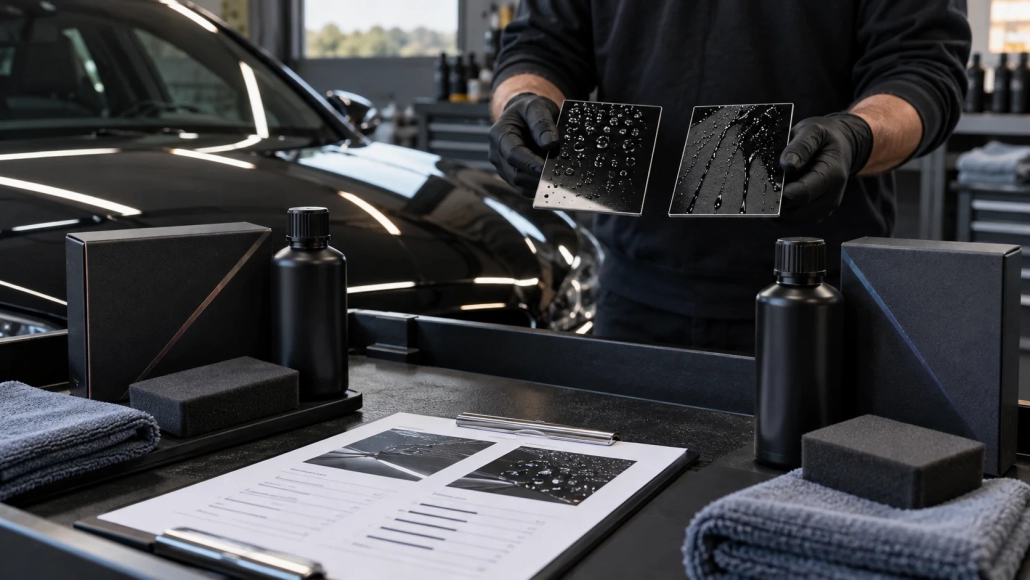
Compare NANOLAB coating families by surface compatibility, application workflow and installer requirements rather than treating the names as interchangeable.
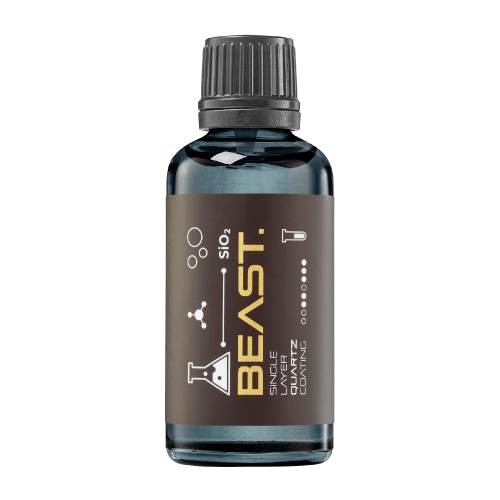
Match the recommendation to the customer's available washing method and maintenance habits.