






A full polishing range.
From cutting and one-step correction to final finishing.
Specialist chemistry. Expert application.
 QUARTZ99 / CERAMIC BASE COAT
The foundation of your coating system.
A layerable quartz base coat designed for mechanical protection. Pair it with a suitable top coat to create the final finish.
For application by NANOLAB certified installers only.
Four formulas. Extended working time. Find the coating for your finish.
Explore the BEAST family of ceramic coatings.
Find the coating for each exterior surface.
 PPF & VINYLGLOSSProtection for glossy films and wraps.Discover
 MATTE & SATINMATTEProtection that respects the finish.Discover
 GLASSWINDOWSExplore dedicated glass protection.Discover
 WHEEL PROTECTIONWHEELSA dedicated coating for your wheels.Discover
 TRIM PROTECTIONPLASTICProtection for plastic surfaces.Discover
Dedicated care for the surfaces inside.
 LEATHER SURFACESLEATHERDiscover NANOLAB leather protection.Discover PLASTIC SURFACESPLASTICProtection for interior plastic surfaces.Discover TEXTILE SURFACESFABRICExplore the latest fabric formulation.Discover
Spray protection, maintenance and upcoming wash products.
 MAINTENANCEBEAST 365Explore the BEAST maintenance range.Discover
Next in washing, cleaning & care.
Ceramic protection for boats and yachts.
An easy-to-apply ceramic coating with an established track record on boats and yachts around the world.
Results vary with surface preparation, exposure and maintenance.
Read 50 MARINE guides →Explore MARINEProtection for the surfaces you live with.
A look at what we’re developing.
From cutting and one-step correction to final finishing.
A wider range for professional vehicle care.
Taking shape alongside BEAST & MATRIX.
Practical guidance for your next coating project.
Explore all guides →
Separate ordinary guest-related cleaning from housekeeping rework when assessing the practical value of coated shower glass.
Updated · NANOLAB Knowledge
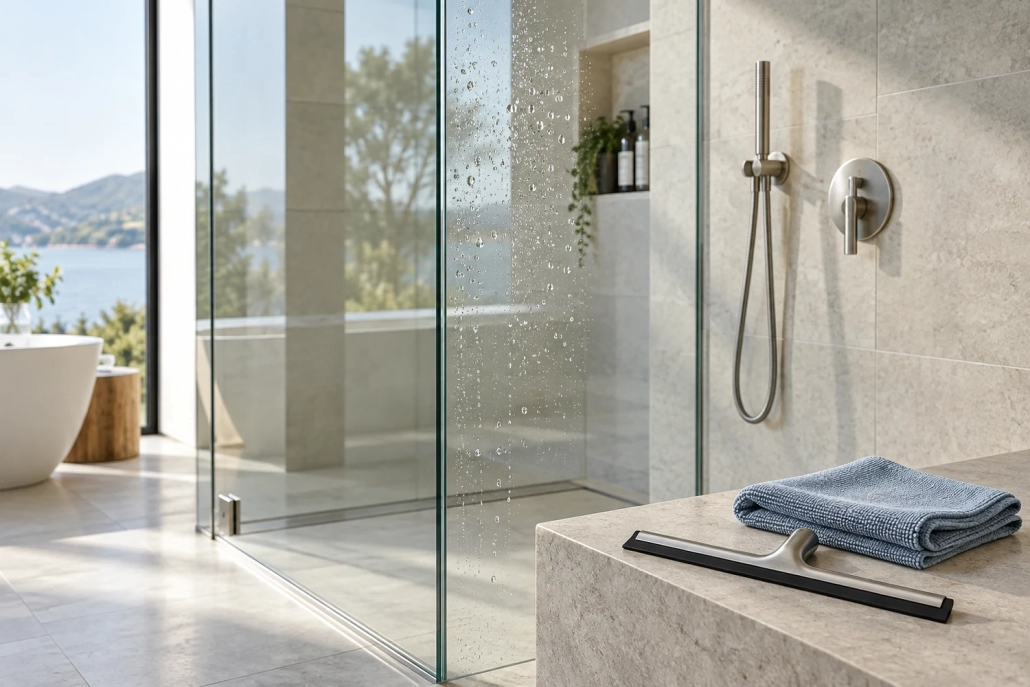
A second visit to a shower can mean new guest use, an incomplete first clean or a separate maintenance task. Combining all three as ordinary cleaning events hides whether a coating programme is improving the workflow.
Use simple categories that staff can apply consistently: scheduled clean, new-use clean, quality rework and specialist restoration. Record the reason for a repeat visit without blaming the operator before the facts are known.
Measure the time required to reach the agreed finish, including rework caused by an incomplete result. Keep unrelated tasks outside the glass-cleaning total. The same boundary must apply to coated and comparison rooms.
| Event | Include how? |
|---|---|
| Routine glass clean | Main task time |
| Failed inspection and return | Quality rework time |
| New guest use after acceptance | New exposure event |
A five-minute first clean followed by a three-minute corrective visit uses eight minutes for accepted completion. It should not be reported as a five-minute success with the return omitted. Conversely, a later clean after another guest has showered is not evidence that the first clean failed.
Look for repeated causes such as poor lighting, unavailable towels, unsuitable product or unclear acceptance. A coating may influence cleanability, but staffing and inspection practice can also change rework.
Use the event record to improve the process and calculate realistic labour. The most useful result is fewer minutes per accepted task with consistent quality, not a shorter stopwatch reading achieved by moving unfinished work into another category.
Ask NANOLAB about your surface and intended use. For application and care, use the current instructions for the exact product.
A test patch should represent the actual enclosure, including its existing finish and maintenance needs.
A hospitality pilot should evaluate a coating under the property's real cleaning routine.
Define the glass surfaces, accepted finish and escalation route when outsourcing housekeeping for properties with coated shower glass.

 Writing a Glass-Care Scope for an Outsourced Housekeeping Contractor