






A full polishing range.
From cutting and one-step correction to final finishing.
Specialist chemistry. Expert application.
 QUARTZ99 / CERAMIC BASE COAT
The foundation of your coating system.
A layerable quartz base coat designed for mechanical protection. Pair it with a suitable top coat to create the final finish.
For application by NANOLAB certified installers only.
Four formulas. Extended working time. Find the coating for your finish.
Explore the BEAST family of ceramic coatings.
Find the coating for each exterior surface.
 PPF & VINYLGLOSSProtection for glossy films and wraps.Discover
 MATTE & SATINMATTEProtection that respects the finish.Discover
 GLASSWINDOWSExplore dedicated glass protection.Discover
 WHEEL PROTECTIONWHEELSA dedicated coating for your wheels.Discover
 TRIM PROTECTIONPLASTICProtection for plastic surfaces.Discover
Dedicated care for the surfaces inside.
 LEATHER SURFACESLEATHERDiscover NANOLAB leather protection.Discover PLASTIC SURFACESPLASTICProtection for interior plastic surfaces.Discover TEXTILE SURFACESFABRICExplore the latest fabric formulation.Discover
Spray protection, maintenance and upcoming wash products.
 MAINTENANCEBEAST 365Explore the BEAST maintenance range.Discover
Next in washing, cleaning & care.
Ceramic protection for boats and yachts.
An easy-to-apply ceramic coating with an established track record on boats and yachts around the world.
Results vary with surface preparation, exposure and maintenance.
Read 50 MARINE guides →Explore MARINEProtection for the surfaces you live with.
A look at what we’re developing.
From cutting and one-step correction to final finishing.
A wider range for professional vehicle care.
Taking shape alongside BEAST & MATRIX.
Practical guidance for your next coating project.
Explore all guides →
Measure shower-cleaning time to a shared accepted finish so faster work does not simply transfer residue and rework to the next inspection.
Updated · NANOLAB Knowledge
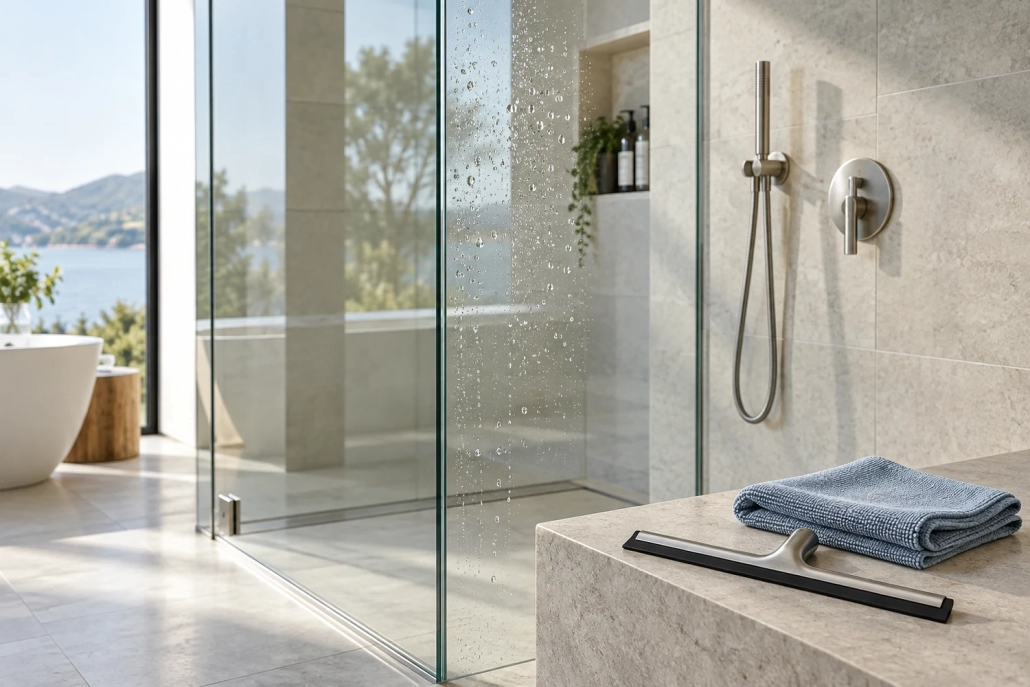
A stopwatch comparison is meaningful only when both methods finish the same job. Stopping the clock at the last wipe while ignoring failed inspection can reward incomplete work.
Choose a consistent start, such as beginning the defined glass-care task with required supplies available. Finish when the surface meets the agreed dry-state acceptance criterion. Record setup, waiting and corrective work separately if those distinctions matter operationally.
Show operators and inspectors the accepted reference. Specify lighting, viewing distance and relevant defects without demanding impossible perfection from pre-existing damaged glass. Keep the same standard for trial and comparison rooms.
| Method | Initial task | Rework | Accepted total |
|---|---|---|---|
| A | 4 minutes | 3 minutes | 7 minutes |
| B | 6 minutes | 0 minutes | 6 minutes |
These illustrative values show why the first stopwatch result can favour the slower complete process.
Use several representative tasks and allow staff to learn the method before making a comparison. Record occupancy, soil condition and unusual interruptions. Do not pressure staff to skip required steps merely to improve trial results.
Include the range of accepted times and the rework frequency, not only the best room. A small reduction in average time accompanied by much less variation may be operationally valuable.
The desired outcome is repeatable accepted cleaning with realistic labour. That requires a defined endpoint and a record of the work needed to reach it.
Ask NANOLAB about your surface and intended use. For application and care, use the current instructions for the exact product.
A test patch should represent the actual enclosure, including its existing finish and maintenance needs.
Temporary condensation on the outside of a window is a different observation from a persistent surface film. Record when and where it appears before deciding that the glass needs another cleaner or protective treatment.
Separate the hotel owner’s investment from the operator’s maintenance benefit when evaluating a coated-glass programme.
 Owner and Operator Payback: Who Receives the Benefit of a Glass Coating?