






A full polishing range.
From cutting and one-step correction to final finishing.
Specialist chemistry. Expert application.
 QUARTZ99 / CERAMIC BASE COAT
The foundation of your coating system.
A layerable quartz base coat designed for mechanical protection. Pair it with a suitable top coat to create the final finish.
For application by NANOLAB certified installers only.
Four formulas. Extended working time. Find the coating for your finish.
Explore the BEAST family of ceramic coatings.
Find the coating for each exterior surface.
 PPF & VINYLGLOSSProtection for glossy films and wraps.Discover
 MATTE & SATINMATTEProtection that respects the finish.Discover
 GLASSWINDOWSExplore dedicated glass protection.Discover
 WHEEL PROTECTIONWHEELSA dedicated coating for your wheels.Discover
 TRIM PROTECTIONPLASTICProtection for plastic surfaces.Discover
Dedicated care for the surfaces inside.
 LEATHER SURFACESLEATHERDiscover NANOLAB leather protection.Discover PLASTIC SURFACESPLASTICProtection for interior plastic surfaces.Discover TEXTILE SURFACESFABRICExplore the latest fabric formulation.Discover
Spray protection, maintenance and upcoming wash products.
 MAINTENANCEBEAST 365Explore the BEAST maintenance range.Discover
Next in washing, cleaning & care.
Ceramic protection for boats and yachts.
An easy-to-apply ceramic coating with an established track record on boats and yachts around the world.
Results vary with surface preparation, exposure and maintenance.
Read 50 MARINE guides →Explore MARINEProtection for the surfaces you live with.
A look at what we’re developing.
From cutting and one-step correction to final finishing.
A wider range for professional vehicle care.
Taking shape alongside BEAST & MATRIX.
Practical guidance for your next coating project.
Explore all guides →
Plan a small-area recovery trial for coated decorative metal before approving broad rework that could alter its finish.
Updated · NANOLAB Knowledge
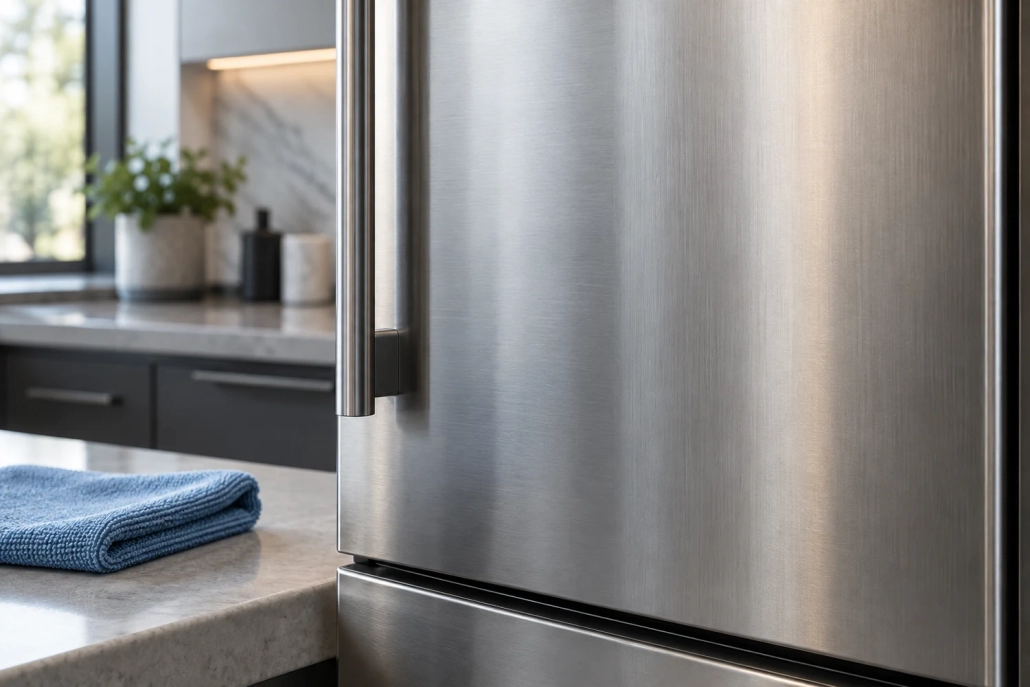
Decorative metal can carry lacquer, colour, plating or a factory surface treatment. When a coated area looks wrong, a broad polishing or solvent response can create a larger problem. Start with a material-specific recovery assessment.
Obtain the finish specification where possible and record the coating and cleaning history. Do not treat a metallic appearance as proof of bare metal. Confirm which supplier is responsible for the underlying finish and which for the added coating.
Map residue, uneven sheen, scratches and colour differences separately. Establish an accepted reference area. The recovery goal may be removal of transferred residue, not restoration of a finish that has been physically damaged.
| Trial requirement | Reason |
|---|---|
| Discreet representative area | Limits exposure while keeping the test relevant |
| Approved method | Respects the exact finish and coating |
| Dry before-and-after inspection | Prevents temporary wet appearance being mistaken for recovery |
| Stop criterion | Prevents uncontrolled escalation |
Document product, tool, contact time and result. Avoid mixing cleaners or moving through stronger chemicals without a compatibility basis. If the finish changes unexpectedly, stop and preserve the record.
A dark decorative panel shows a cloudy wipe pattern after maintenance. An approved small-area cleaning check removes the residue without changing the adjacent finish. That supports a limited cleaning correction. It does not justify polishing the whole panel or assume every cloudy area has the same cause.
Review the test after the relevant observation period and compare it with the acceptance reference. If the recovery is acceptable, specify the exact process and areas covered. If not, involve the finish supplier before further work.
A small-area recovery trial is valuable because it can establish a safe route or demonstrate that no simple cosmetic correction is justified. Both outcomes are better than irreversible experimentation across the full installation.
Ask NANOLAB about your surface and intended use. For application and care, use the current instructions for the exact product.
Stainless steel appears in appliances, decorative panels, fittings and architectural details.
Give facility staff a practical record of treated areas, products and instructions.
Map cleaning and coating boundaries on a reception desk combining glass, decorative metal, stone and other finishes.

 Nano Coating for a Mixed-Material Reception Desk: Map the Cleaning Routes