






A full polishing range.
From cutting and one-step correction to final finishing.
Specialist chemistry. Expert application.
 QUARTZ99 / CERAMIC BASE COAT
The foundation of your coating system.
A layerable quartz base coat designed for mechanical protection. Pair it with a suitable top coat to create the final finish.
For application by NANOLAB certified installers only.
Four formulas. Extended working time. Find the coating for your finish.
Explore the BEAST family of ceramic coatings.
Find the coating for each exterior surface.
 PPF & VINYLGLOSSProtection for glossy films and wraps.Discover
 MATTE & SATINMATTEProtection that respects the finish.Discover
 GLASSWINDOWSExplore dedicated glass protection.Discover
 WHEEL PROTECTIONWHEELSA dedicated coating for your wheels.Discover
 TRIM PROTECTIONPLASTICProtection for plastic surfaces.Discover
Dedicated care for the surfaces inside.
 LEATHER SURFACESLEATHERDiscover NANOLAB leather protection.Discover PLASTIC SURFACESPLASTICProtection for interior plastic surfaces.Discover TEXTILE SURFACESFABRICExplore the latest fabric formulation.Discover
Spray protection, maintenance and upcoming wash products.
 MAINTENANCEBEAST 365Explore the BEAST maintenance range.Discover
Next in washing, cleaning & care.
Ceramic protection for boats and yachts.
An easy-to-apply ceramic coating with an established track record on boats and yachts around the world.
Results vary with surface preparation, exposure and maintenance.
Read 50 MARINE guides →Explore MARINEProtection for the surfaces you live with.
A look at what we’re developing.
From cutting and one-step correction to final finishing.
A wider range for professional vehicle care.
Taking shape alongside BEAST & MATRIX.
Practical guidance for your next coating project.
Explore all guides →
A favourable result on one substrate does not automatically cover a new substrate or finish. Treat the proposed extension as a technical question and identify which evidence remains relevant before using the same claim.
Updated · NANOLAB Knowledge
The coating, preparation and substrate form a system. Changing the outer finish can change the interface and appearance question even when the base material name stays the same. The supplier or laboratory should assess the proposed scope rather than relying on a broad category such as metal, plastic or glass.
Illustrative example: a result on a painted aluminium panel is used to promote application on bare polished aluminium. Both involve aluminium, but the exposed surfaces differ. The original report may provide background while leaving the new compatibility question unresolved.
Do not use a successful trial to override a product's approved-surface list. This guide does not prescribe a universal retest programme. The appropriate next step depends on the actual change and the claim, with documentation that keeps the original and expanded scopes distinguishable.
Ask NANOLAB about the exact product and intended use. Use the current product documentation for formulation-specific instructions.
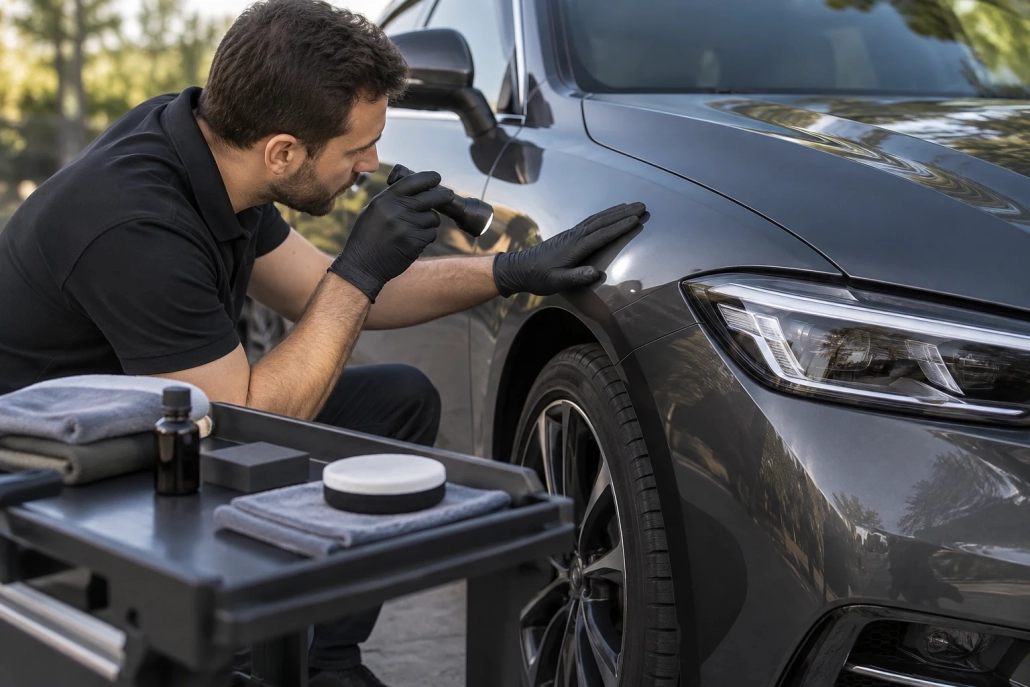
Find out why new paint still needs inspection and cleaning, and how to decide whether polishing is necessary before ceramic coating.
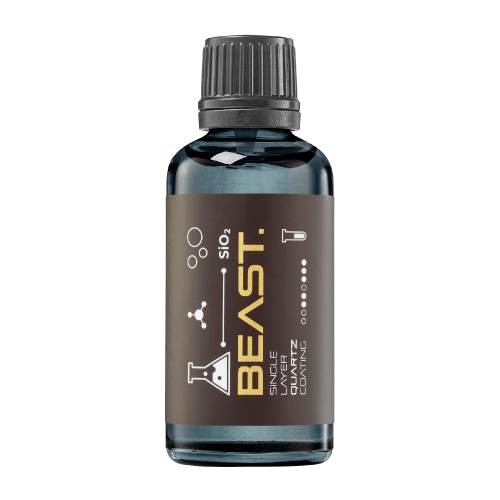
A split-panel comparison can be influenced by where each product is placed. Vary the allocation across comparable test panels instead of always giving one product the same position.
A test-method designation identifies a procedure or framework, not automatically a passing grade or a superior product. A coating claim needs the result and acceptance basis, not only a familiar standard number.