






A full polishing range.
From cutting and one-step correction to final finishing.
Specialist chemistry. Expert application.
 QUARTZ99 / CERAMIC BASE COAT
The foundation of your coating system.
A layerable quartz base coat designed for mechanical protection. Pair it with a suitable top coat to create the final finish.
For application by NANOLAB certified installers only.
Four formulas. Extended working time. Find the coating for your finish.
Explore the BEAST family of ceramic coatings.
Find the coating for each exterior surface.
 PPF & VINYLGLOSSProtection for glossy films and wraps.Discover
 MATTE & SATINMATTEProtection that respects the finish.Discover
 GLASSWINDOWSExplore dedicated glass protection.Discover
 WHEEL PROTECTIONWHEELSA dedicated coating for your wheels.Discover
 TRIM PROTECTIONPLASTICProtection for plastic surfaces.Discover
Dedicated care for the surfaces inside.
 LEATHER SURFACESLEATHERDiscover NANOLAB leather protection.Discover PLASTIC SURFACESPLASTICProtection for interior plastic surfaces.Discover TEXTILE SURFACESFABRICExplore the latest fabric formulation.Discover
Spray protection, maintenance and upcoming wash products.
 MAINTENANCEBEAST 365Explore the BEAST maintenance range.Discover
Next in washing, cleaning & care.
Ceramic protection for boats and yachts.
An easy-to-apply ceramic coating with an established track record on boats and yachts around the world.
Results vary with surface preparation, exposure and maintenance.
Read 50 MARINE guides →Explore MARINEProtection for the surfaces you live with.
A look at what we’re developing.
From cutting and one-step correction to final finishing.
A wider range for professional vehicle care.
Taking shape alongside BEAST & MATRIX.
Practical guidance for your next coating project.
Explore all guides →
Assess chrome-plated plastic grilles for ceramic coating, with attention to delicate finishes, cleaning residues, recesses and adjacent sensors.
Updated · NANOLAB Knowledge
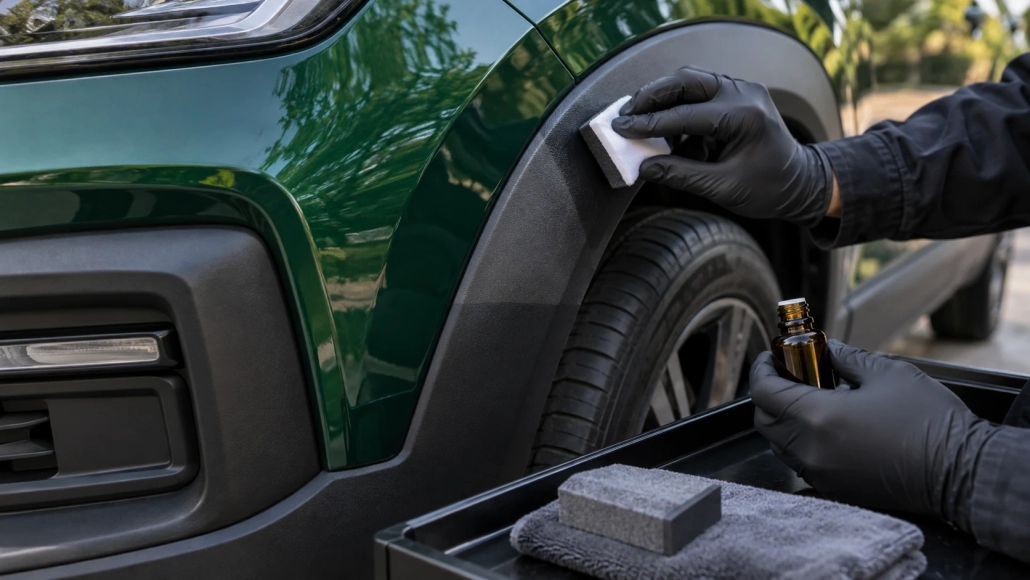
A chrome-plated plastic grille combines a decorative outer finish with a plastic substrate and complex geometry. Its bright appearance does not justify treating it like solid polished metal. Coating selection must account for the finish, the approved cleaners and the parts mounted within the grille.
Use the vehicle or component information to establish the finish where possible. Inspect for stone damage, lifting edges and cracking around mounting points. Note cameras, sensors, active shutters, badges and any uncoated plastic within the work area.
Keep optical, sensing and moving components outside the coating scope unless their manufacturer and the coating supplier explicitly approve the application. A general exterior-trim recommendation does not settle those functional questions.
Wash before inspecting fine detail. Use appropriate soft tools without forcing them behind plated edges. Rinse according to the vehicle’s care requirements, then check for retained water and cleaner in the grille cells. Avoid a metal-polishing process unless it is specifically permitted for the finish.
The preparation needs to leave a surface suitable for coating without changing the plating. If cleaning exposes peeling or unstable material, stop and reassess the component instead of attempting to bind it down with another product.
Choose an applicator that can contact the approved surfaces and a wiping method that can remove excess from the same locations. If you can apply coating into a recess but cannot inspect or level it, that area is not ready for treatment. Work in a controlled pattern and mark completed sections on a simple photograph.
Check the dry result from both sides and under changing light. Look for residue at the base of each cell, not just the most reflective face. Complete the product’s curing instructions before washing or returning the vehicle to its normal exposure. The owner should receive a cleaning routine that suits both the ceramic treatment and the original plated plastic, with no promise that stone impacts or failing plating are prevented.
For your exact finish and service conditions, ask NANOLAB about coating suitability and consult the current product documentation.
Assess grille material, cleaning access and levelling before applying ceramic coating to a vehicle's honeycomb or mesh-style trim.
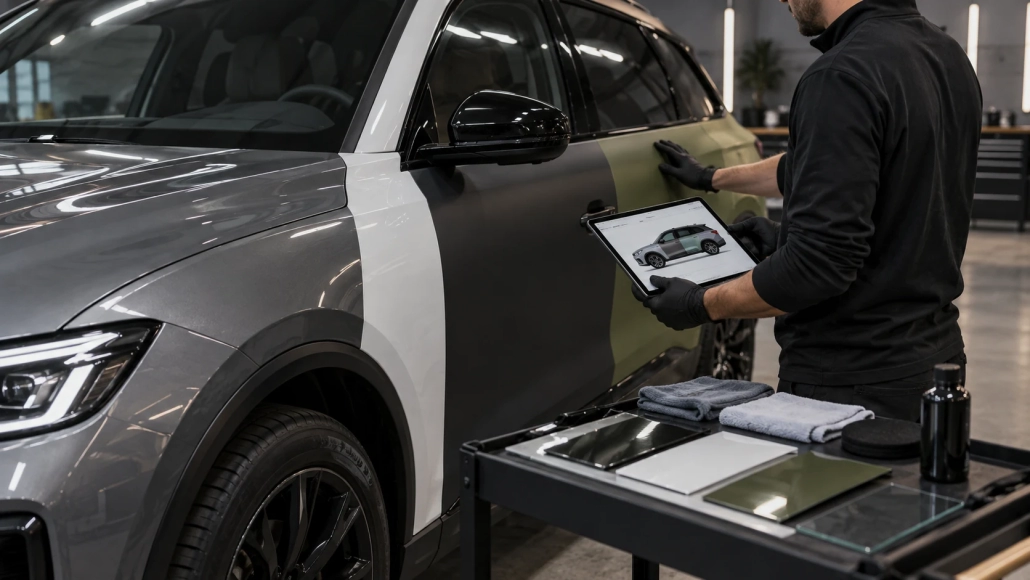
Distinguish plated, coated and metallic-look trim before selecting cleaners, preparation methods or protective coatings.
Plan ceramic coating for chrome-plated bumpers, including plating inspection, access around mounting points, preparation and practical aftercare.
 Nano Coating Decorative Chrome Furniture and Fixtures